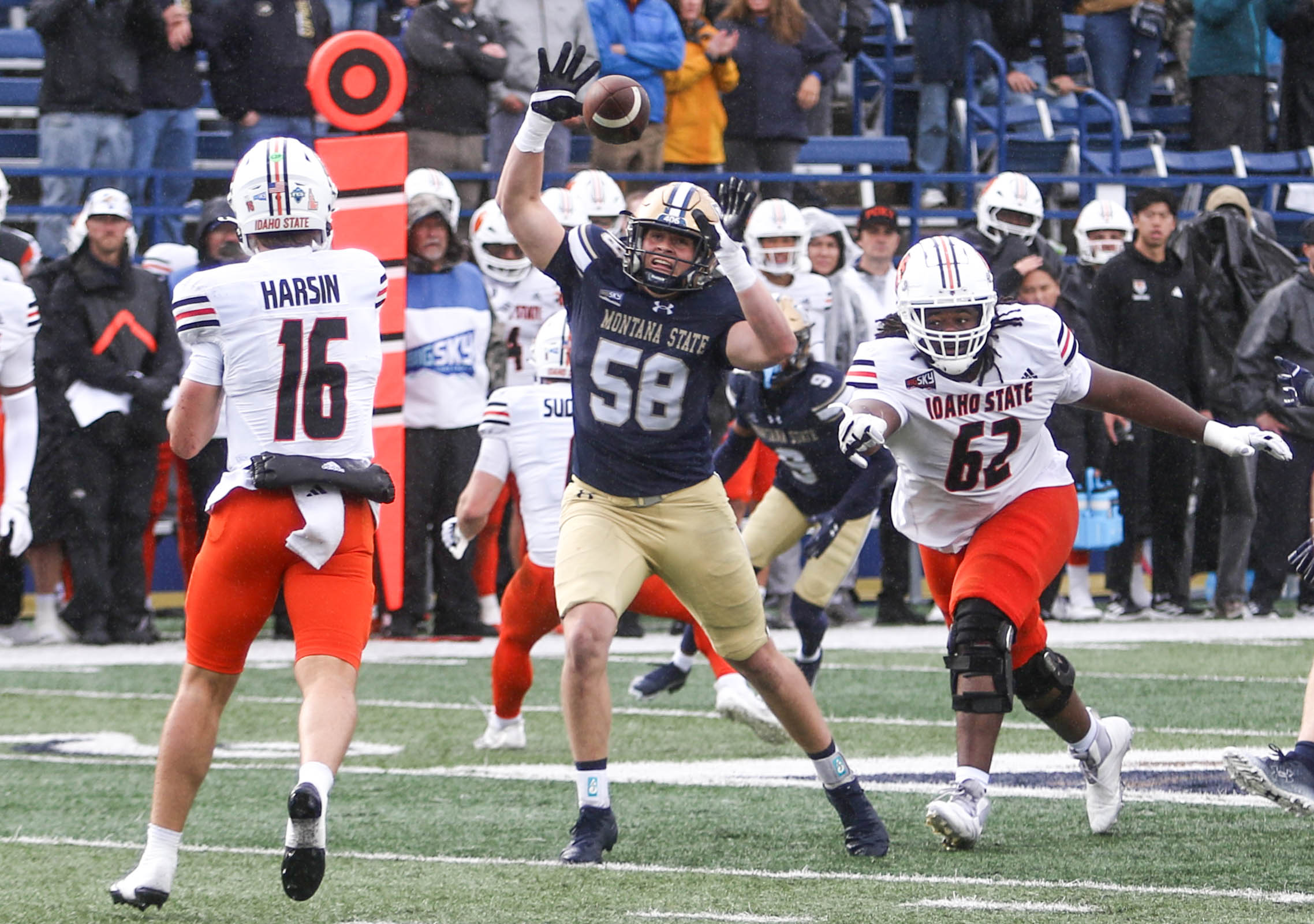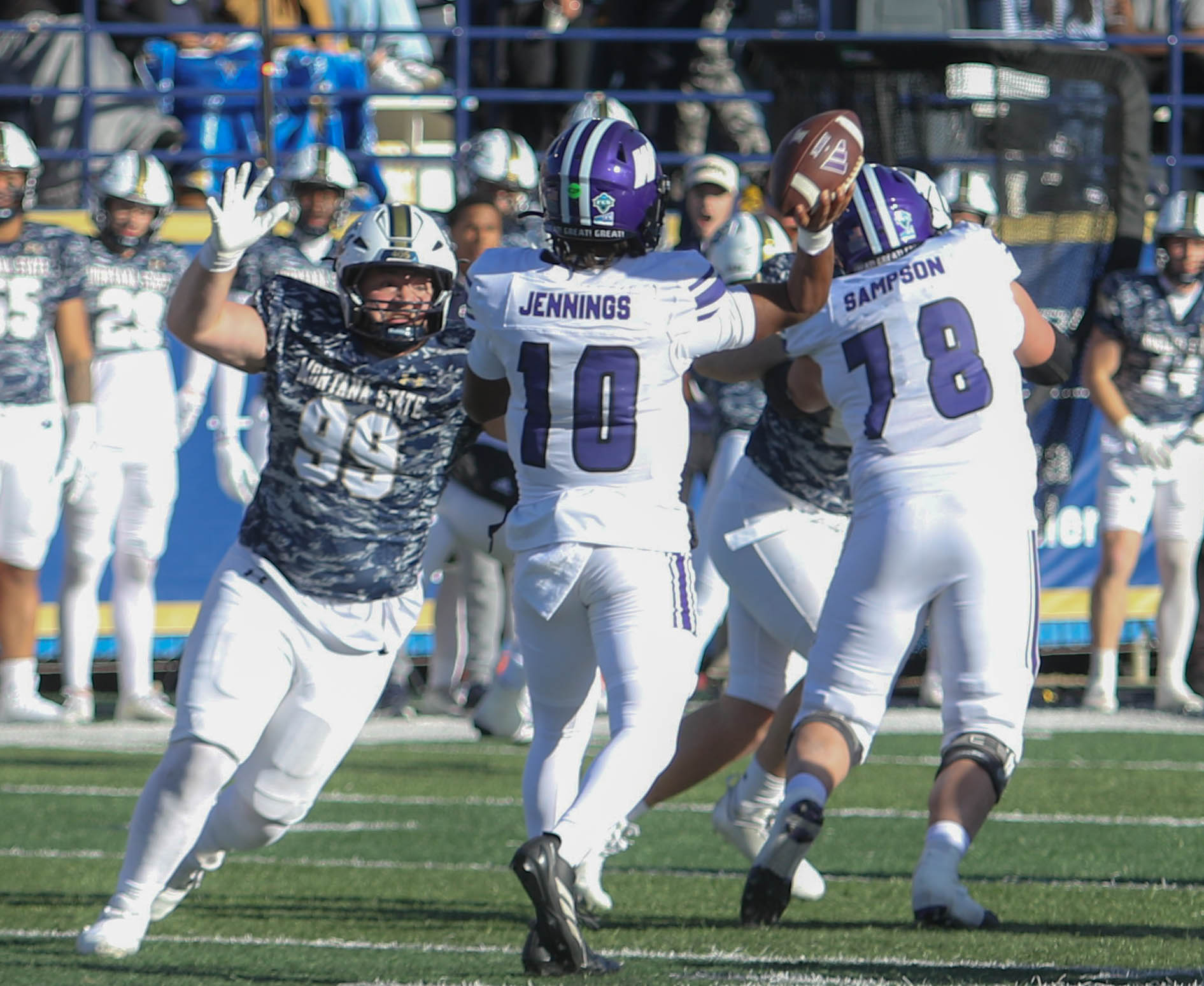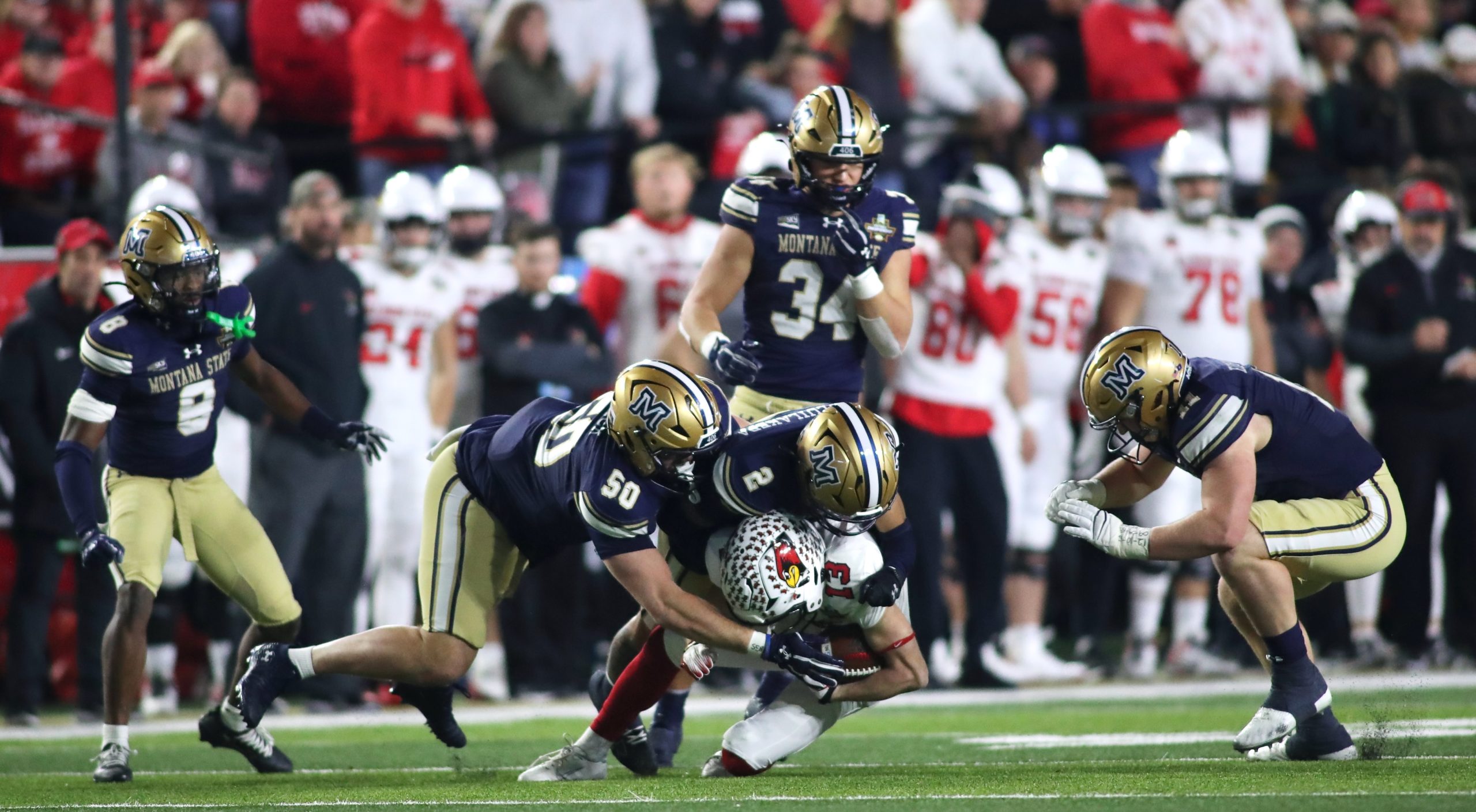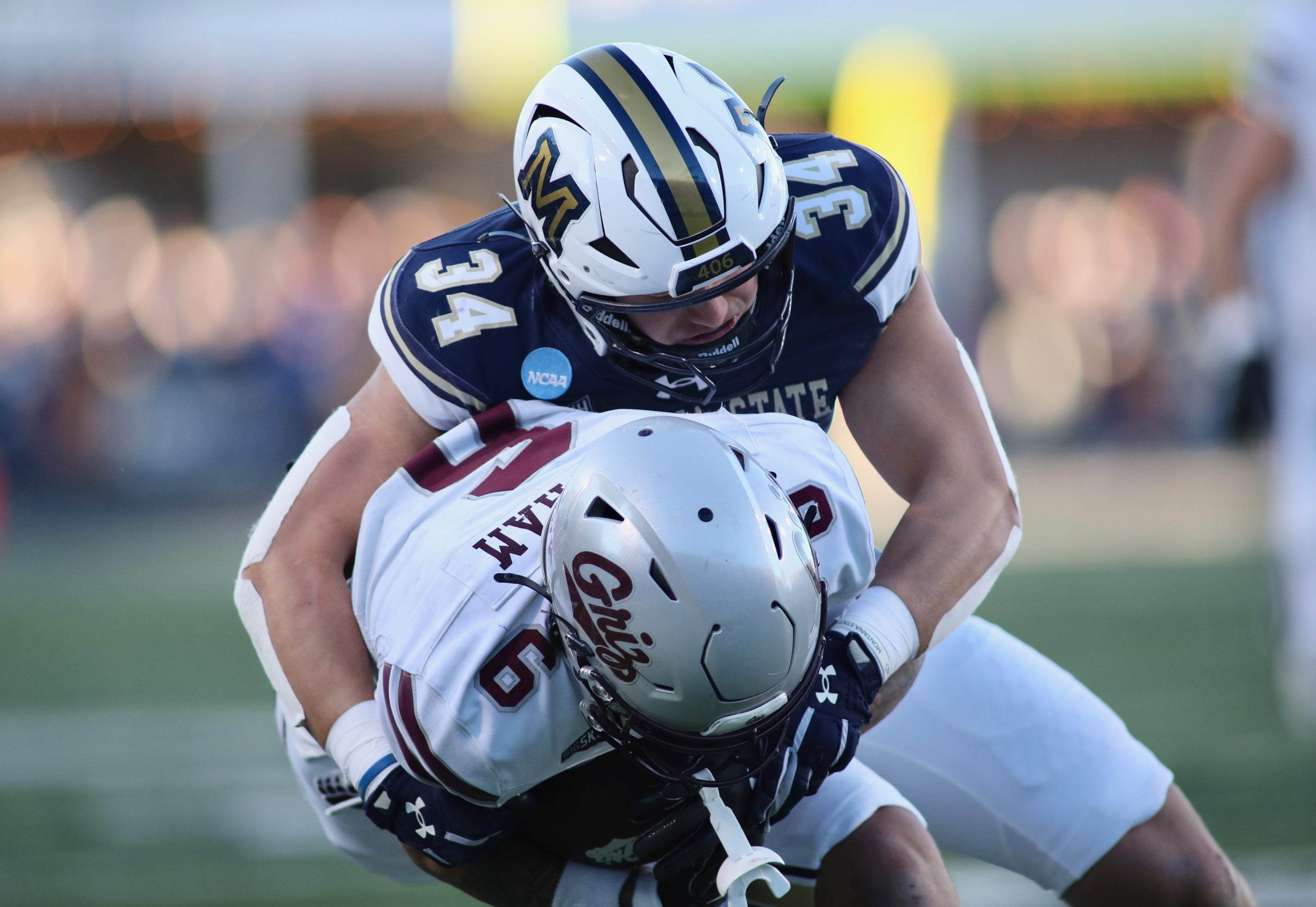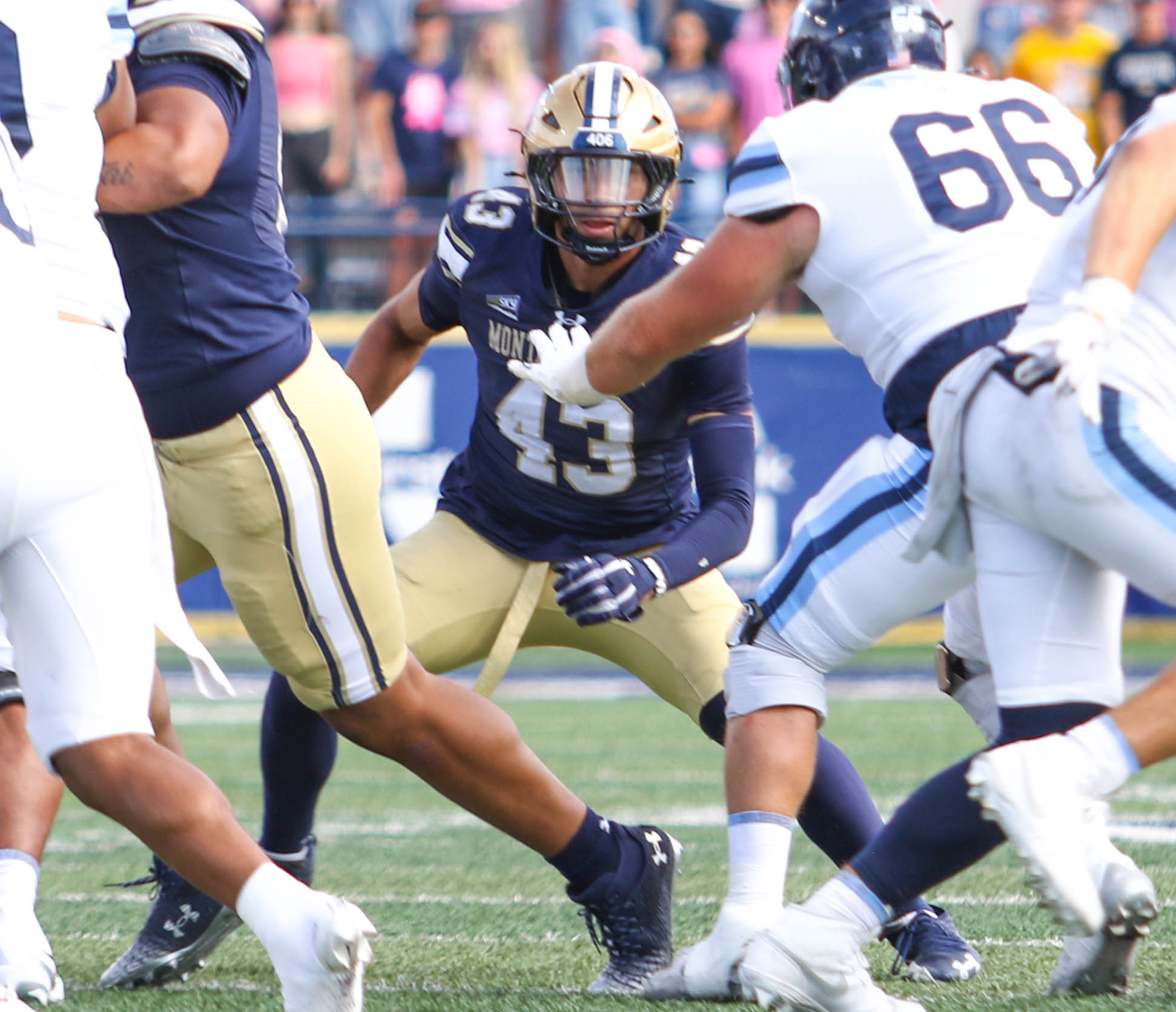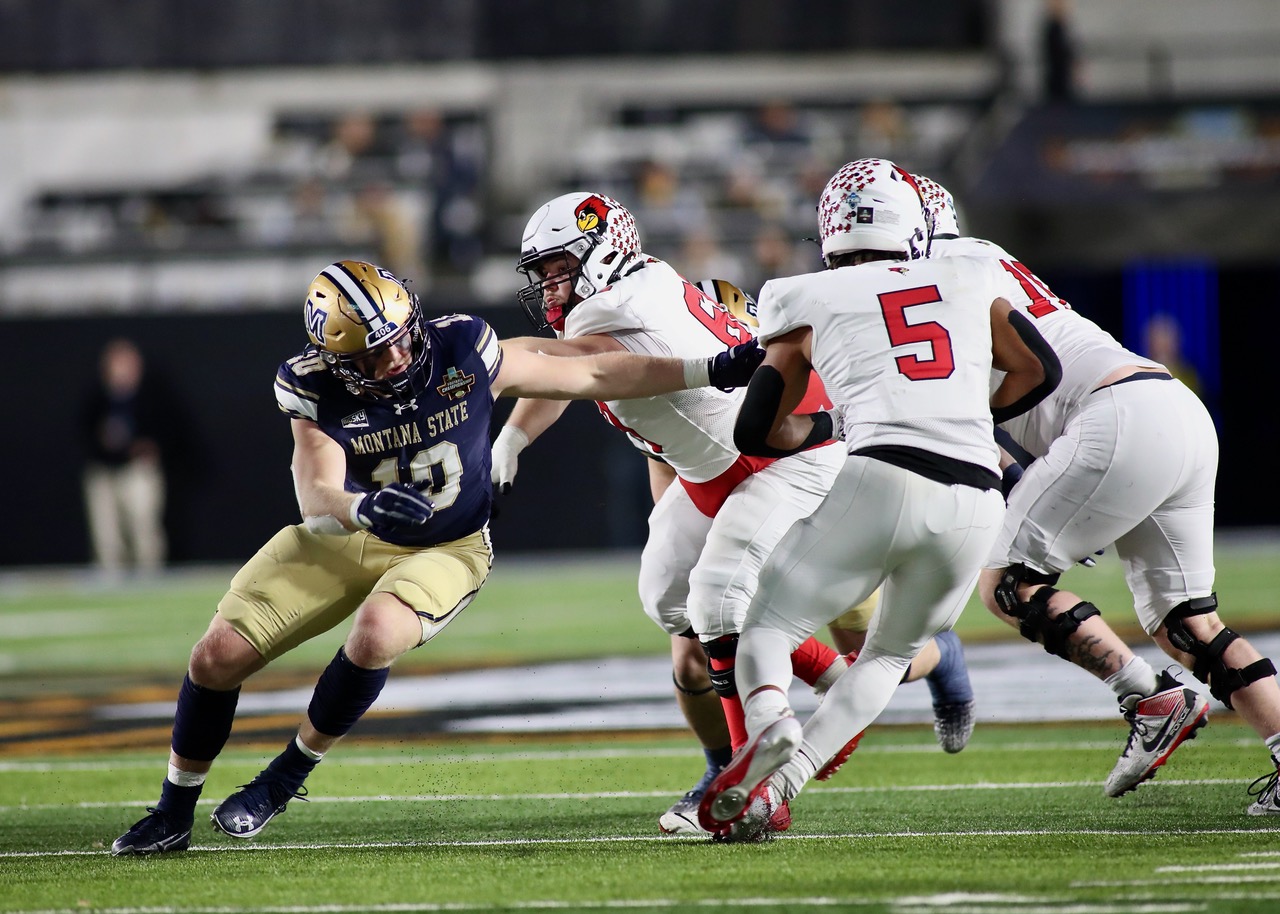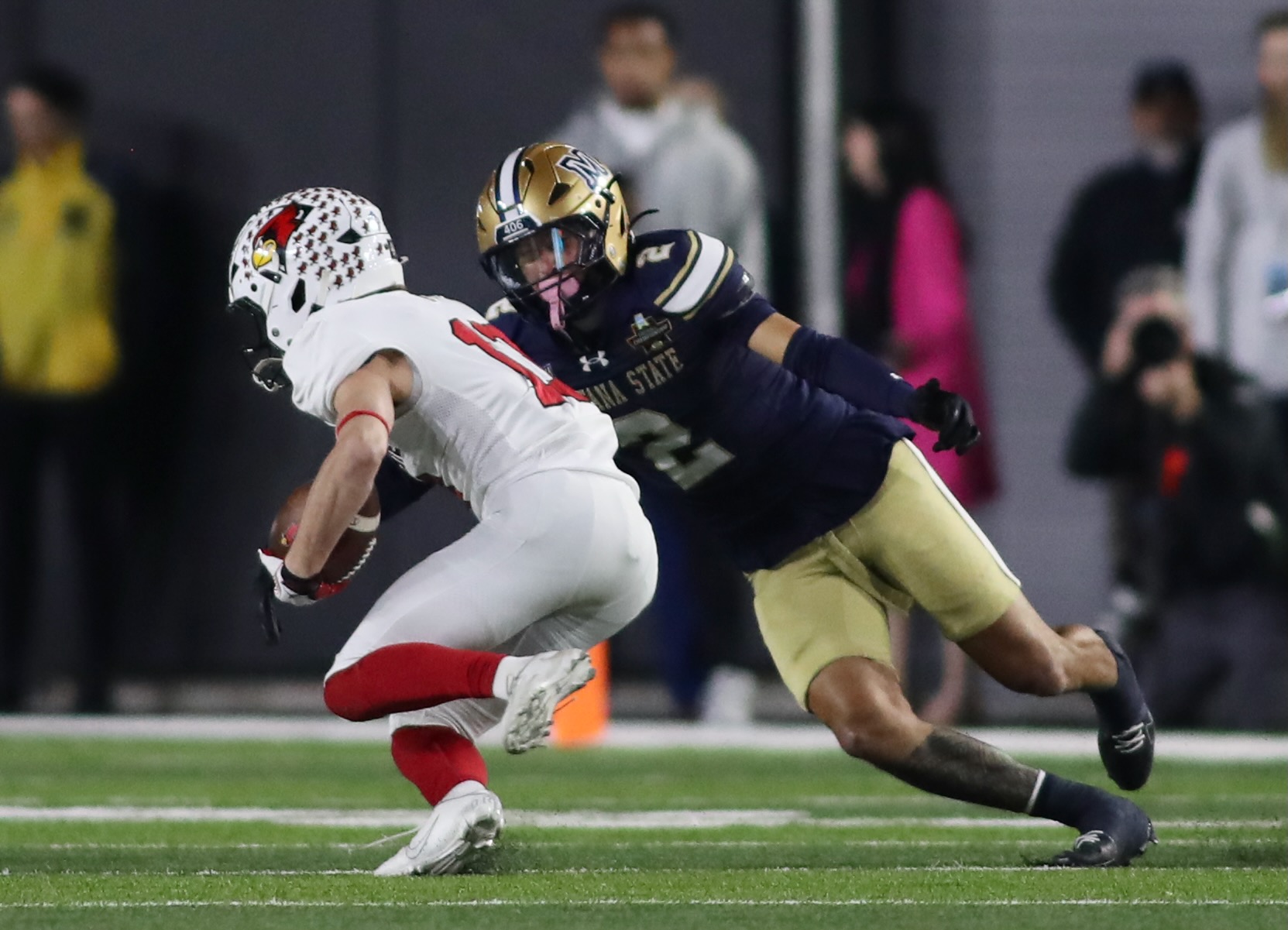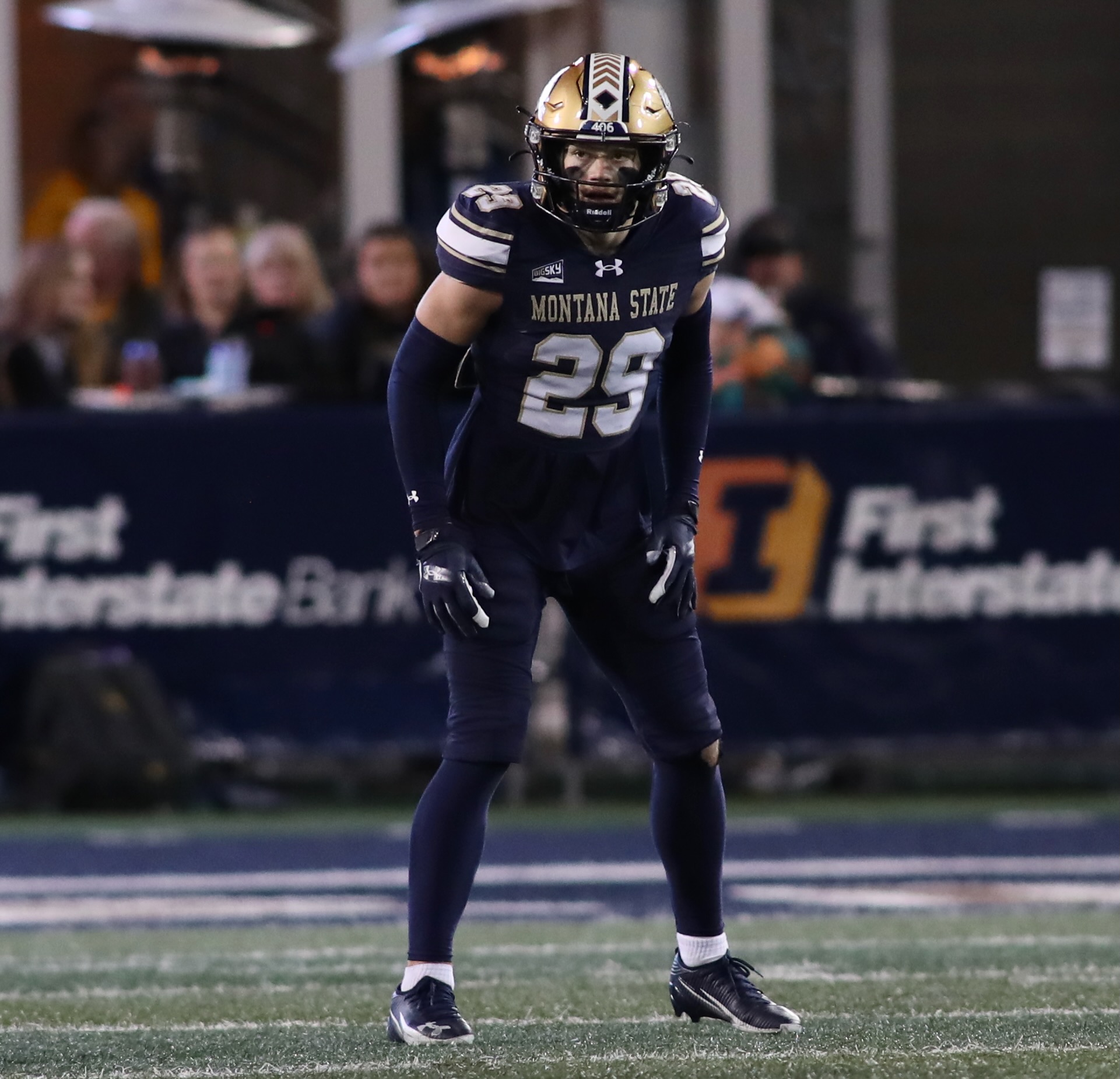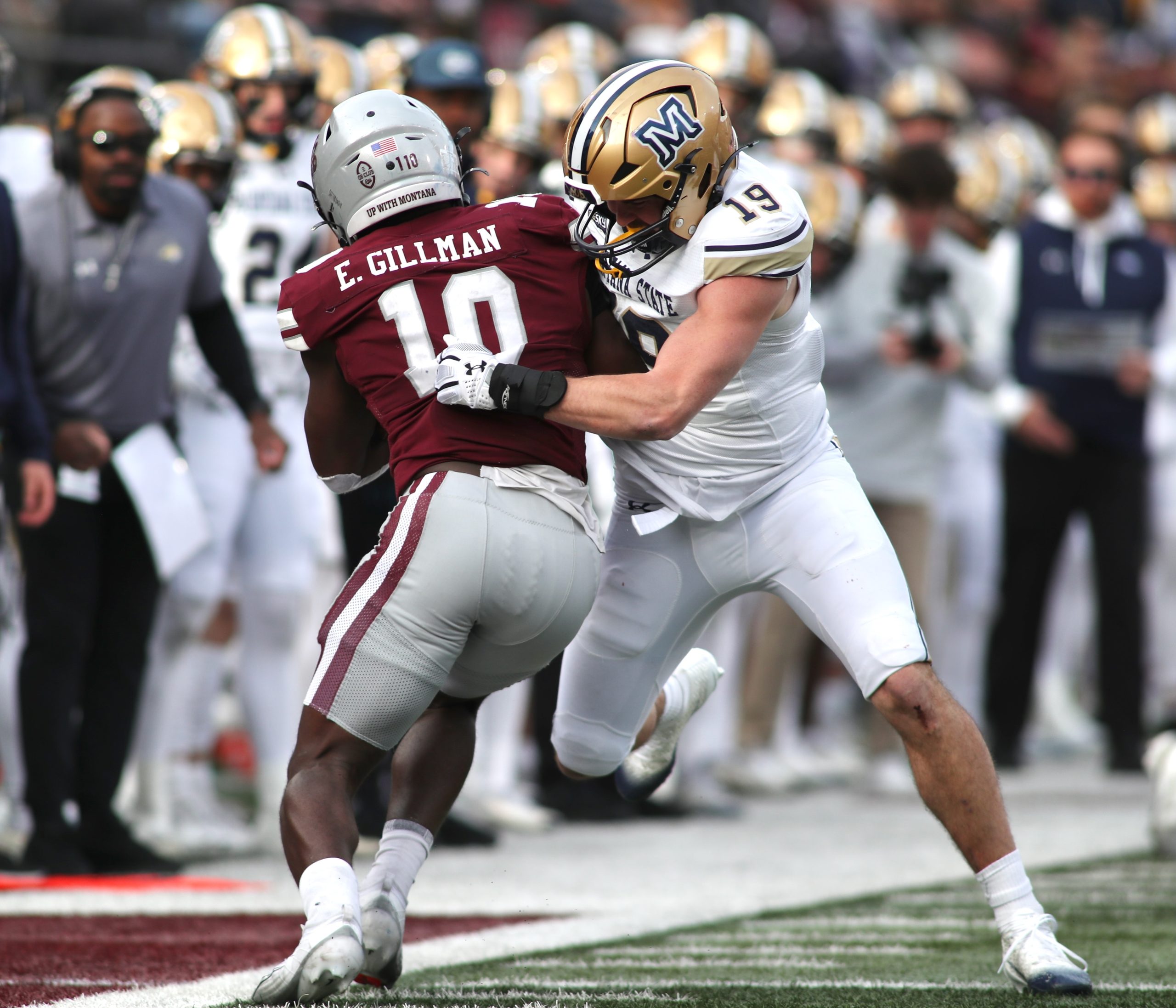
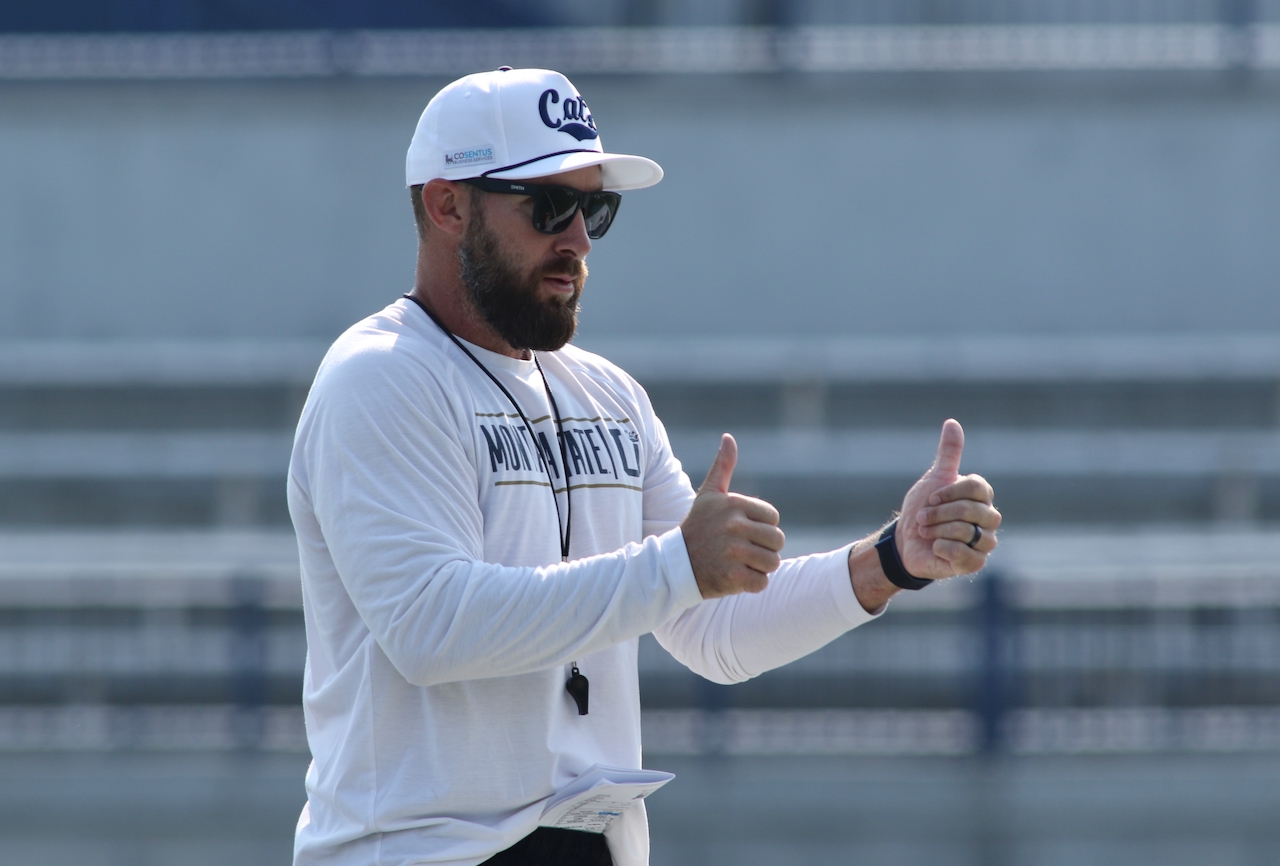
If asked to describe Montana State head football coach Brent Vigen in a word, may people might reach for “consistent.” Since arriving in Bozeman in 2021, Vigen’s teams have been consistently excellent. This is all the more remarkable considering that, structurally, there have been some areas of notable inconsistency.
Perhaps the best example of this inconsistency has been the near-constant turnover of defensive coordinators. Heading into his sixth season as head coach, Vigen has overseen five changes at DC. This off-season is no exception as Shawn Howe took a job with the Pittsburgh Steelers last month.
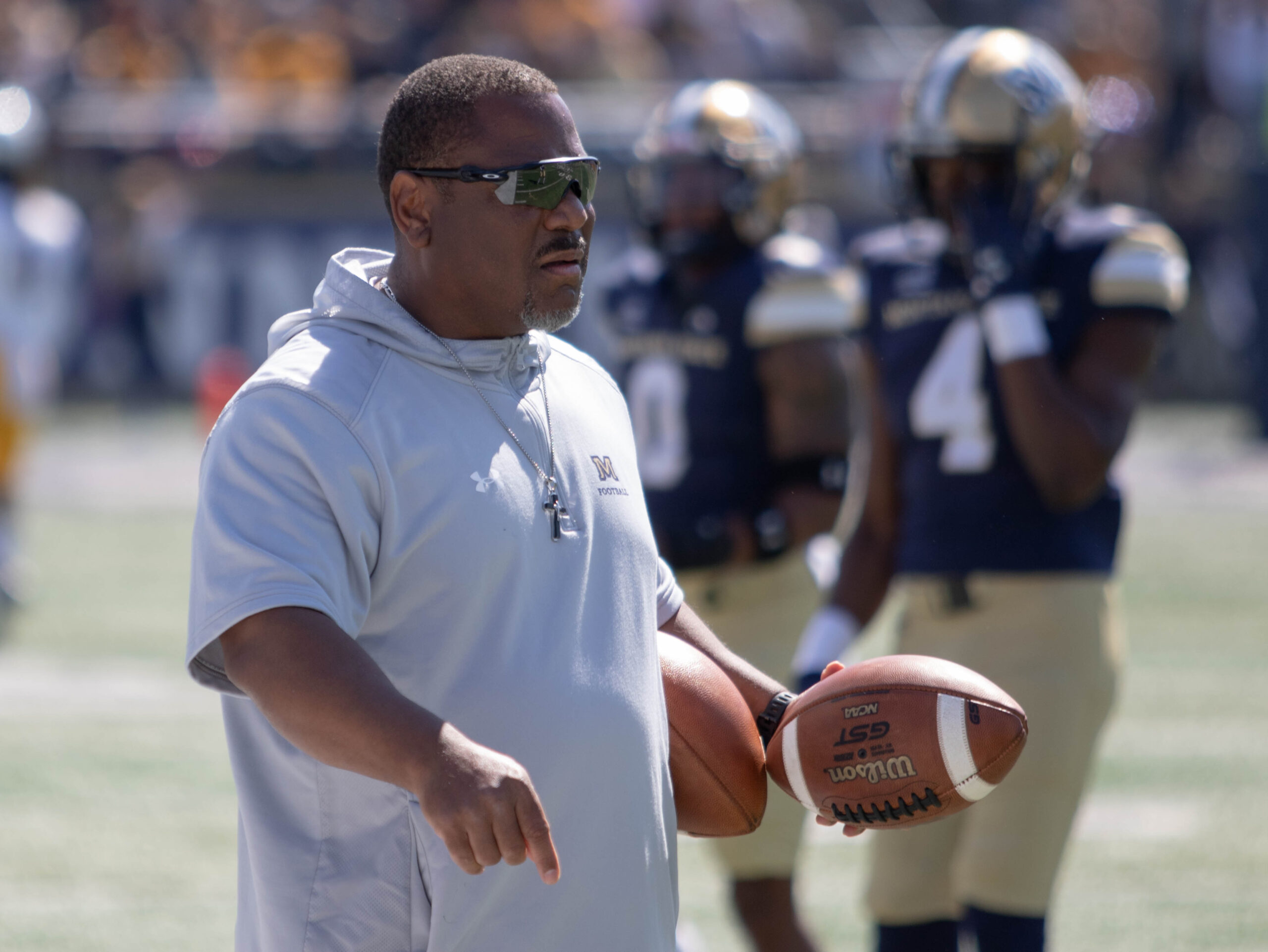
But this situation is different in that Vigen is going back to a familiar well: rehiring former defensive coordinator Bobby Daly, who held the role in 2024 before leaving for the same role at the University of Texas, El Paso.
What are the Bobcats getting in Daly’s return? Because he’s coordinated the defense before, it’s a lot easier to tease out. What follows is a comparison of the results of the various defensive coordinators under Vigen’s tenure and an analysis of what has set Daly apart as distinct from the others.
Note: These metrics remove FBS and D-2 opponents in the interest of having samples that are truly comparable. They are based on ESPN results and differ marginally from those posted on the team’s website.
Scoring Defense
Points/Game:
- Freddie Banks, 2021: 14.8
- Sean Howe, 2025: 16.3
- Bobby Daly, 2024: 17.4
- Willie Mack Garza, 2023: 21.8
- Willie Mack Garza, 2022: 23.5
Points/Drive:
- Banks, 2021: 1.23
- Howe, 2025: 1.43
- Daly, 2024: 1.54
- Garza, 2023: 1.86
- Garza, 2022: 1.94
Total Defense
Yards/Game:
- Banks, 2021: 308
- Daly, 2024: 311
- Howe, 2025: 318
- Garza, 2021: 331
- Garza, 2022: 357
Yards/Play:
- Howe, 2025: 4.69
- Banks, 2021: 4.77
- Daly, 2024: 5.10
- Garza, 2023: 5.22
- Garza, 2022: 5.70
Passing/Rushing Defense
Yards/Carry
- Banks, 2021: 3.3
- Howe, 2025: 3.6
- Daly, 2024: 4.0
- Garza, 2023: 4.1
- Garza, 2022: 4.5
Yards/Attempt
- Howe, 2025: 5.6
- Daly, 2024: 6.1
- Garza, 2023: 6.5
- Banks, 2021: 6.8
- Garza, 2022: 6.9
Sacks/Takeaways
Sacks
- Garza, 2023: 41
- Daly, 2024: 38
- Banks, 2021: 35
- Howe, 2025: 29
- Garza, 2022: 28
Takeaways (Interceptions, Fumble Recoveries)
- Howe, 2025: 27 (16, 11)
- Garza, 2022: 25 (13, 12)
- Banks, 2021: 23 (18, 5)
- Daly, 2024: 17 (9, 8)
- Garza, 2023: 15 (12, 3)
Observations
The More Things Change, the More They Stay the Same
Perhaps the most striking thing to observe in the numbers is the remarkable consistency of the defense’s performance through all the turnover at coordinator. This is not an accident. Since Vigen arrived in Bozeman, he has reportedly insisted on running the same 4-2-5 defense that was employed by North Dakota State during his time in Fargo. Thus, while the coordinators change, the essence of the defense does not. This is even more striking if you look exclusively at the three coordinators who left by choice. Banks, Daly, and Howe have all been within 3.4 points/game in terms of scoring defense and 10 yards/game in terms of total defense. It’s a formula.
The 2021 season is High Watermark to Chase
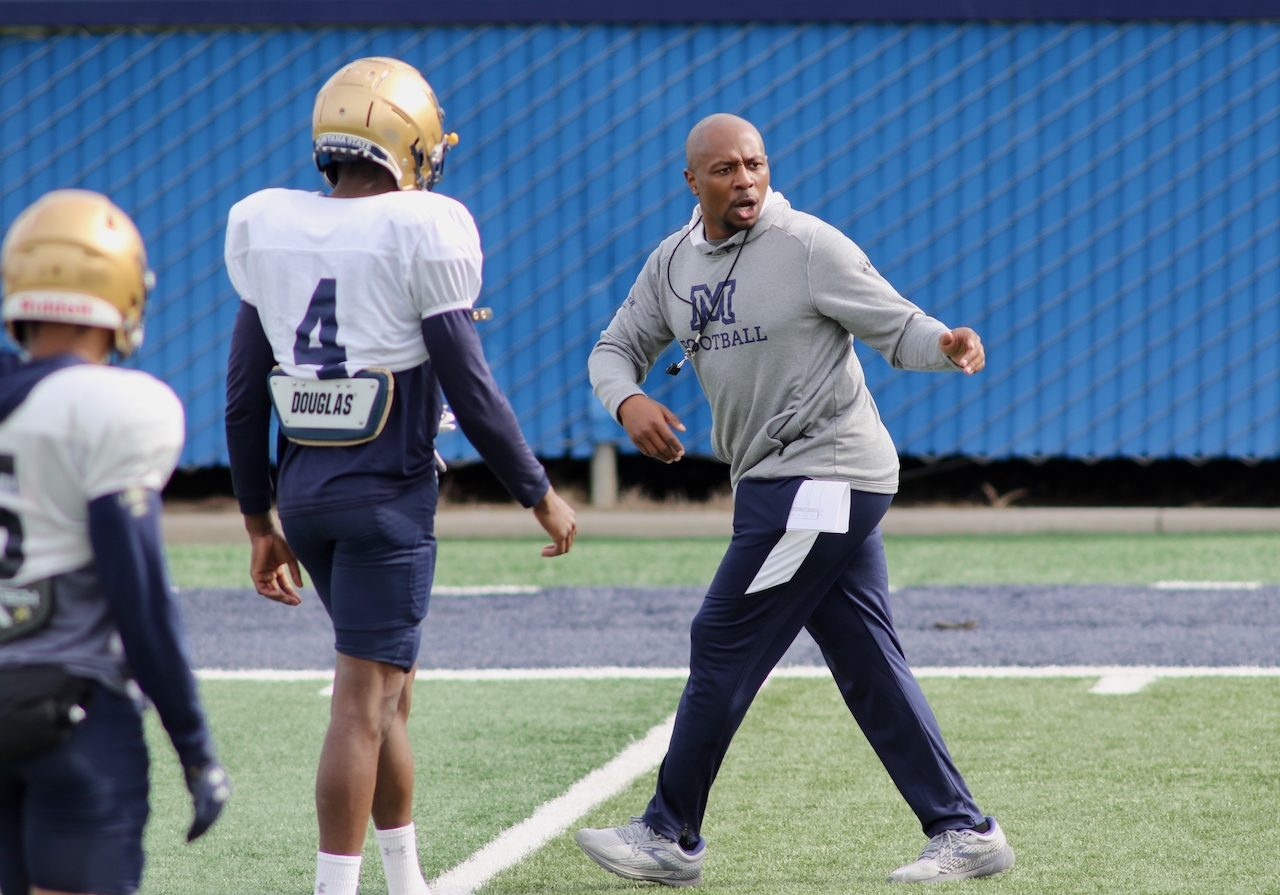
Freddie Banks’ unit in 2021 set a standard that remains unmatched in the years since. Surely this was in part due to Banks’ excellence (he went on to be the DC at Colorado State and is now the Assistant Head Coach and DB’s Coach at Wake Forest), but the bigger reason for the results in 2021 was personnel.
That defensive unit had four future NFL players on it, including two draft picks: Troy Andersen, Daniel Hardy, Sebastian Valdez, and Ty Okada. Beyond those future pros, the roster was littered with all-conference and All-American talent: DT Chase Benson, DE Brody Grebe, DE Amandre Williams, LB Callahan O’Reilly, SS Rylan Ortt, CB Simeon Woodard, and the list goes on. MSU’s defenses continue to be highly talented, but it’s difficult to imagine the assembly of a cast quite like 2021 now that the portal and NIL have taken over college football.
Daly’s Defense Leans Towards Aggression
One of the nuances that Daly brought to the defense in 2024 was a higher propensity to blitz relative to the others. Daly’s top unit had the second-most sacks from Vigen’s tenure, but had the most from non-defensive linemen: 10 (compared to 3.5 in 2025). This is because he was more willing to send linebackers and defensive backs after the QB.
Sacks tend to be drive killers (the odds that an opposing drive ends in a FG or punt go way up after a sack), and thus there is a lot to be said for the aggressive approach. However, perhaps the most valuable aspect of a more blitz-prone defensive coordinator is that it gives the defense a changeup when the conservative approach isn’t working. Howe’s defense suffered at times from being predictable and allowing good QB’s to pick them apart with short passes that created long drives.
Illinois State’s resurgent second half in the national championship game is a great illustration of how a change-up can help a defense. After attempting to rush with four in the first half, the Red Birds decided to blitz heavily in the second half and totally disrupted a Bobcat offense that had been cooking.
Blitzing Comes at a Turnover Cost
When you send extra bodies, there are going to be fewer defenders in coverage for the passer to worry about. This difference is reflected in the lower INT number under Daly (9 to Howe’s 16). Part of that difference could also be in the fact that Montana State had more ball-hawking defensive backs this past season.
Turnover statistics are notoriously volatile and subject to random fluctuation year to year. However the gap between 2025 and 2024 is probably too large to attribute solely to randomness. Howe’s defense sacrificed negative plays for more turnovers– placing opposing QB’s under pressure with a veteran front four featuring four all-league players, causing hurried passes that led to plenty of interception opportunities for Caden Dowler & company.
It’s often been said that all but the elite quarterbacks are limited to two of the following three qualities: throwing deep, avoiding interceptions, or avoiding sacks. Similarly, almost all defenses are forced to choose two out of these three outcomes: limiting explosive plays, creating negative plays, or taking the ball away. Rare is the defense that can do all three at a high level (at least against good opponents).
Conclusion
If 2024 is any indication, Cat fans ought to expect a more aggressive version of the 4-2-5 in 2026. While this defense is never going to be blitz-heavy relative to the entire landscape of college football, Daly’s approach is almost certainly going to send more bodies after the QB than what fans grew accustomed to seeing last season.
This approach is fortuitous, given the current state of MSU’s roster. Though strong and talented overall, one position group that looks a little shallow on paper is defensive end. Only two players, Zac Crews and Dominic Solano, have played extensively, while Seth Brock has flashed in limited opportunity. Beyond those three, the group is a mystery.
However, the opposite is true at linebacker. The Cats return four players who are all capable of starting: Cole Taylor, Neil Daly, Bryce Grebe, and Xavier Ahrens (in addition to further depth that could likely start elsewhere in the conference). Coach Daly’s approach could very well borrow from the linebacker depth to replace sack production from the relatively shallow defensive end room. The bottom line is that Cat fans can expect small turns on the dial and consistency in the big picture. There is every reason to expect that Daly will continue the recent tradition of stellar defensive performance in Bozeman.