BOZEMAN, Montana — Brent Vigen will be the first to tell you that every semifinal win to secure a spot in the national championship game is special.
The first time he experienced it was as an assistant at his alma mater 14 years ago. The win affirmed that North Dakota State did indeed belong in Division I. When Vigen experienced a semifinal win in his first season as Montana State’s head coach in 2021, the moment was a breakthrough, helping the Bobcats reach heights unseen in the previous 37 years. And when MSU did it last season, it was almost a relief because the ‘Cats had been on such an epic run and harbored such high hopes because of the prowess of their historical roster.
NDSU turned its 2011 semifinal win into the first of three straight national titles. The Bison won nine of the next 10. Affirming, alright.
Montana State ran into those Bison in the national title game in 2021 and 2024 as Vigen suffered gut-wrenching losses to his alma mater twice in his first four seasons as a head coach.
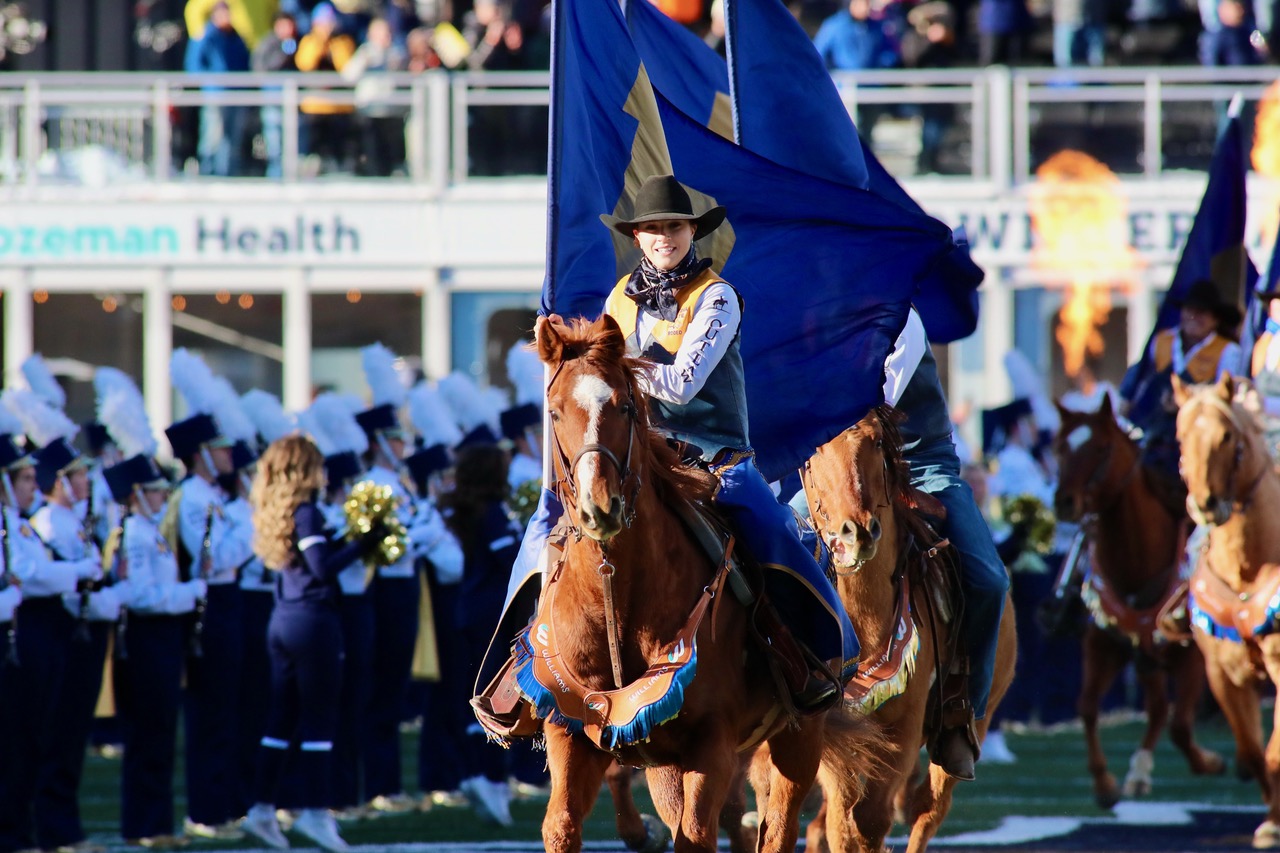
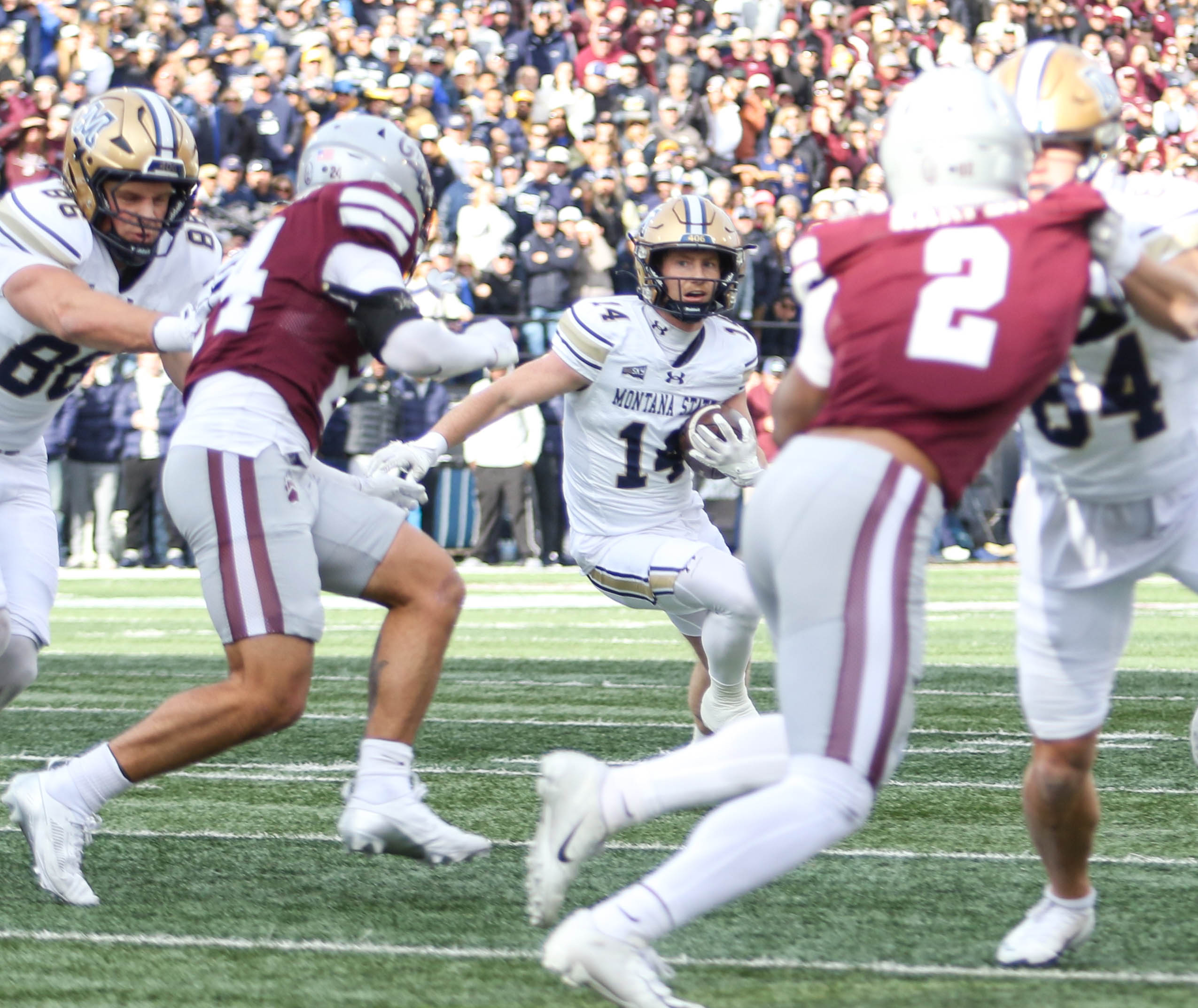
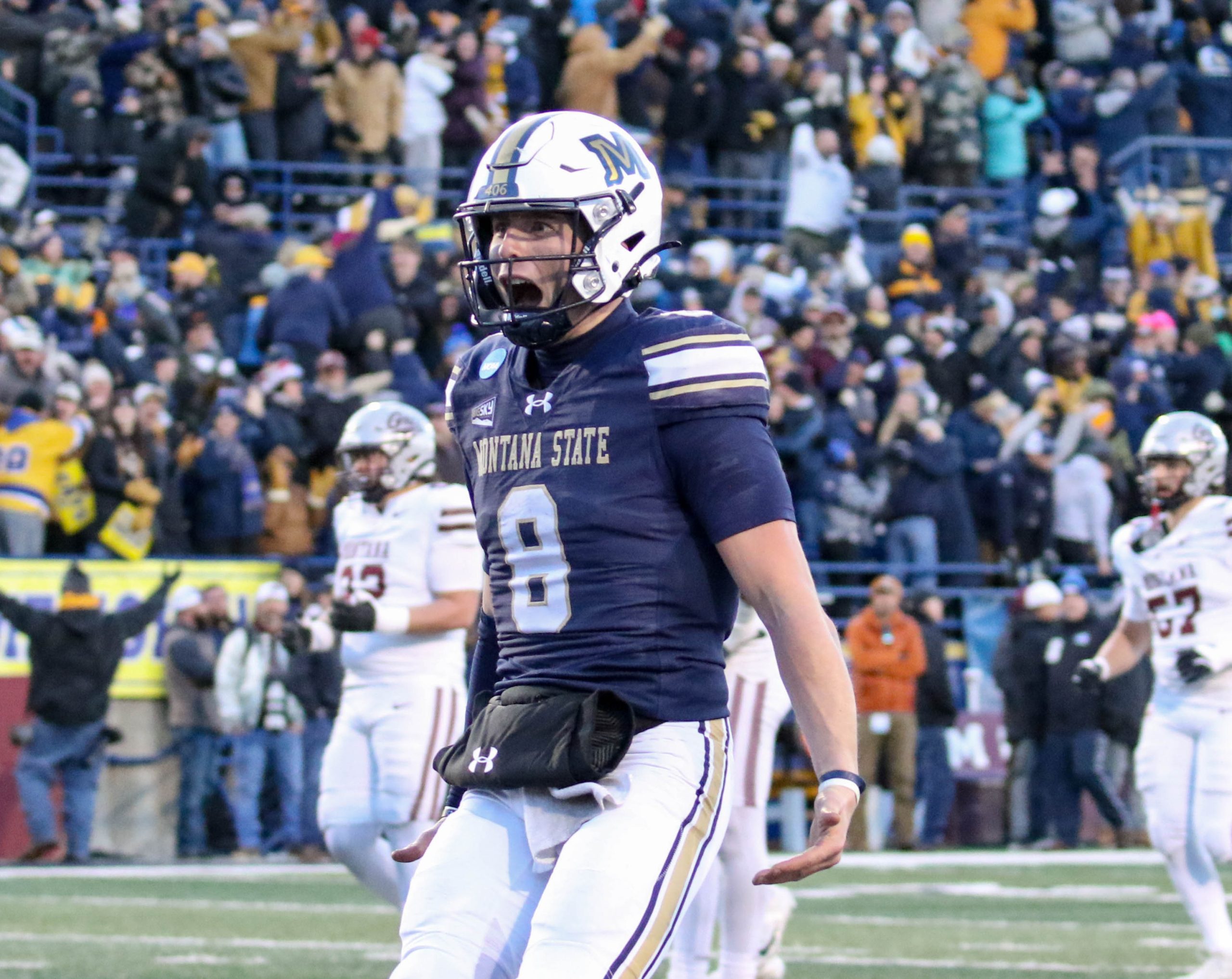
This past Saturday in Bozeman was a picturesque afternoon that saw bedlam descend upon Bobcat Stadium. The bleachers were packed with more blue and gold bedecked fans than have ever watched a football game in the Gallatin Valley since an MSU player first picked up the pigskin in 1897. And that 22,277 saw Vigen lead Montana State to a win that felt neither like a breakthrough nor an upset-avoiding relief.
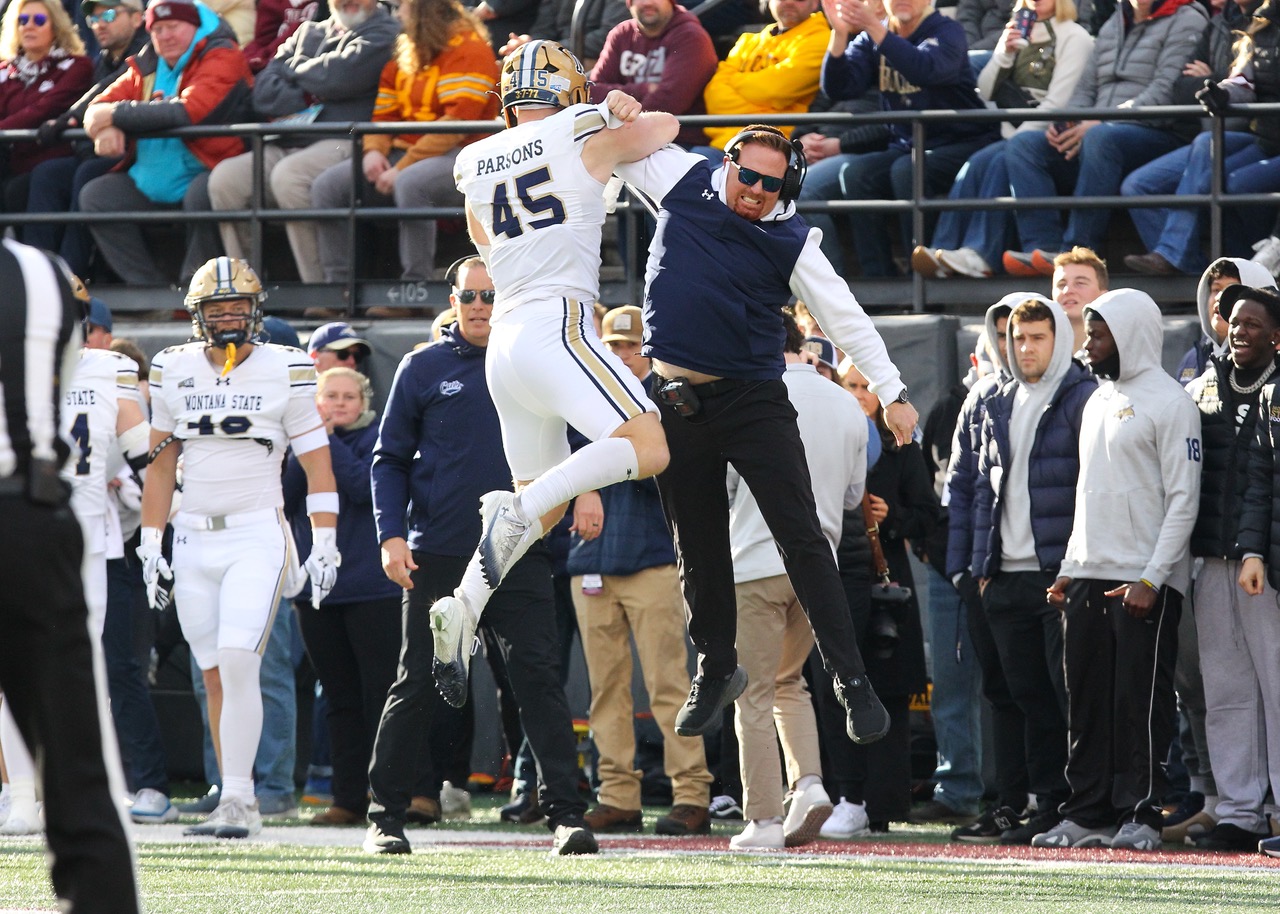
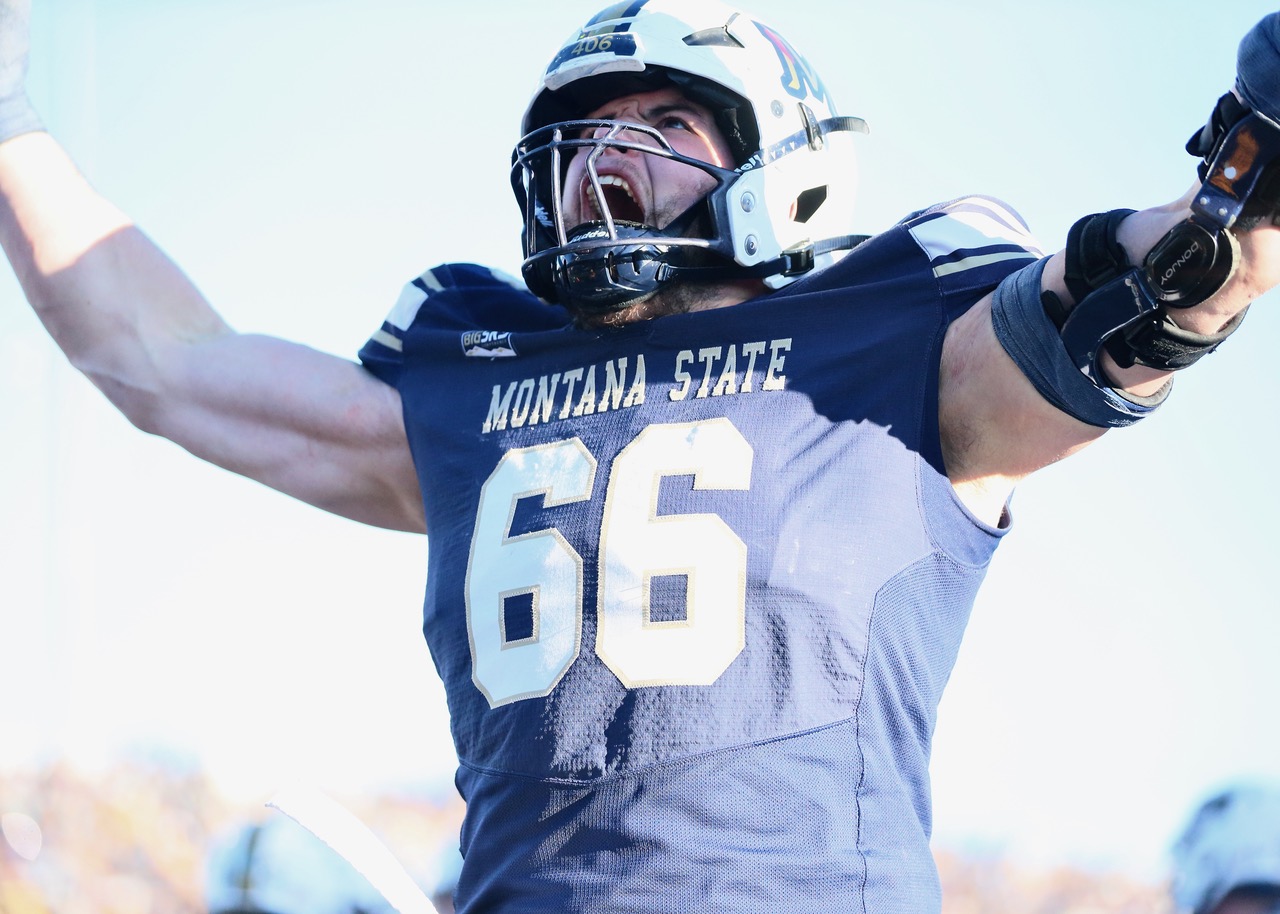
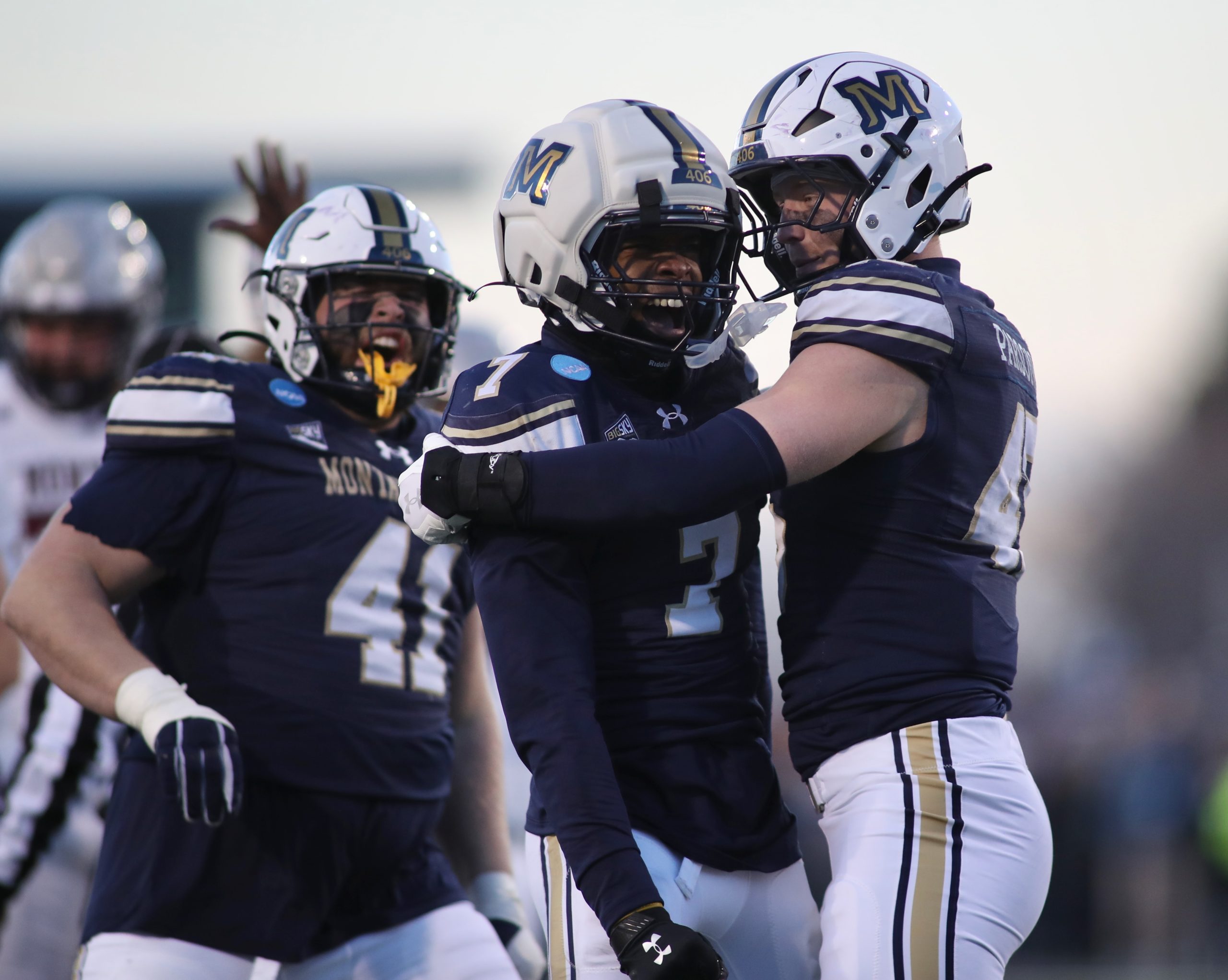
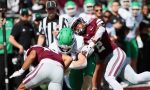
Instead, Montana State’s electric fourth-quarter blitz helped the Bobcats turn a 23-20 deficit into a 48-23 runaway. And it felt triumphant. The Bobcats are officially the kings of the Treasure State.
Not just for a day or an off-season like in several of the Jeff Choate-led Grizzly slayings. And not like when MSU snapped the nightmarish streak of 16 straight losses to Montana when they won in Missoula way back in 2002.
No, Saturday was different. It marked Vigen’s 11th as Montana State’s head coach, nearly half of the 23 post-season victories MSU has all-time.. As the sun set Saturday afternoon on the Gallatin Valley and on the Montana Grizzlies’ season, the incredibly partisan crowd celebrated joyously and boisterously, but also like they expected the victory. And why not? Their Bobcats had just won in Missoula 28 days earlier, getting the Washington-Grizzly Stadium proverbial monkey off Brent Vigen’s back.
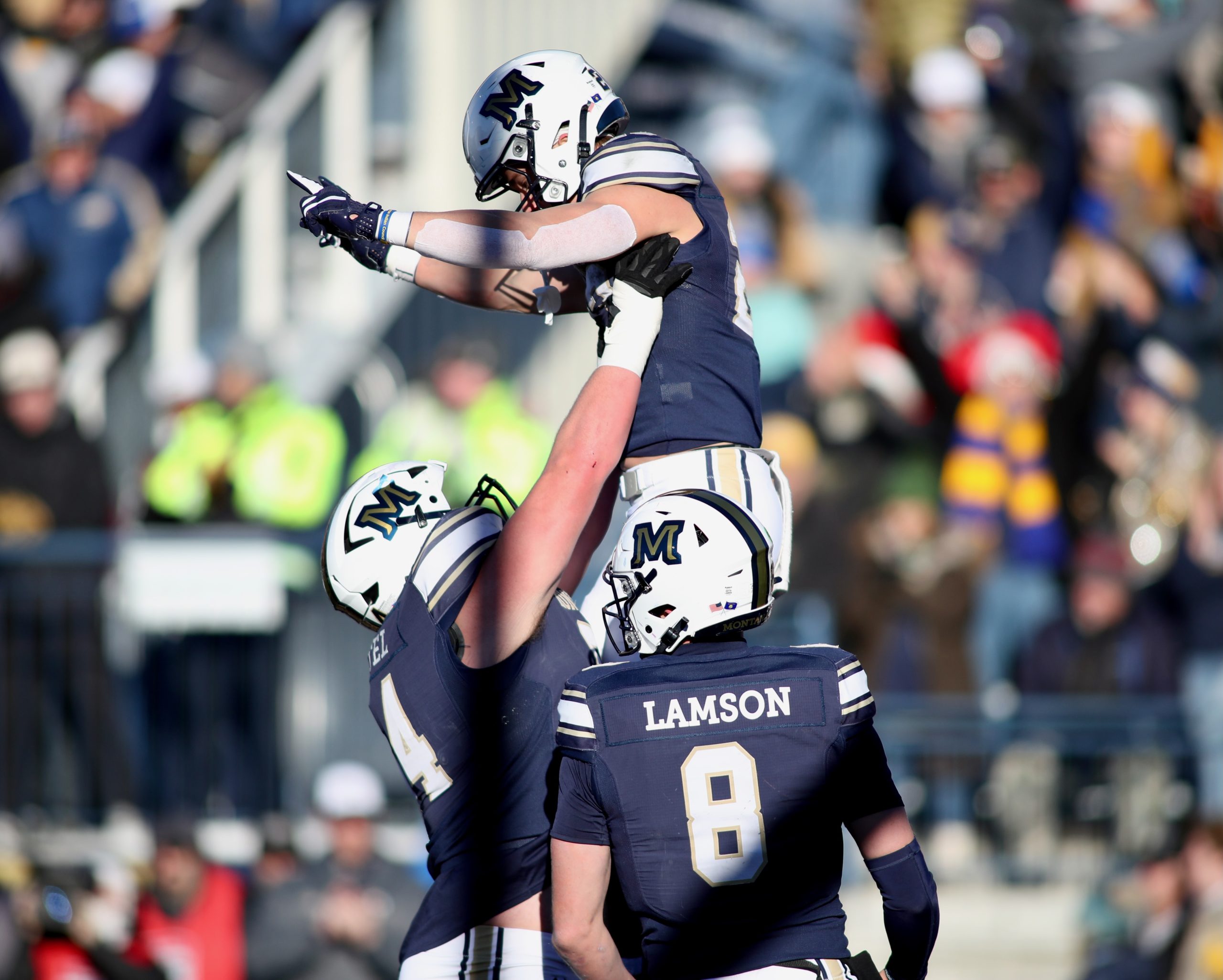
Montana put Bobcat Stadium on edge for a brief moment on Saturday, only for Montana State’s steely quarterback Justin Lamson and electrifying receiver Taco Dowler to put the Grizzlies right back into the place they currently occupy: the corner little brother has to sit in at the kid’s table.
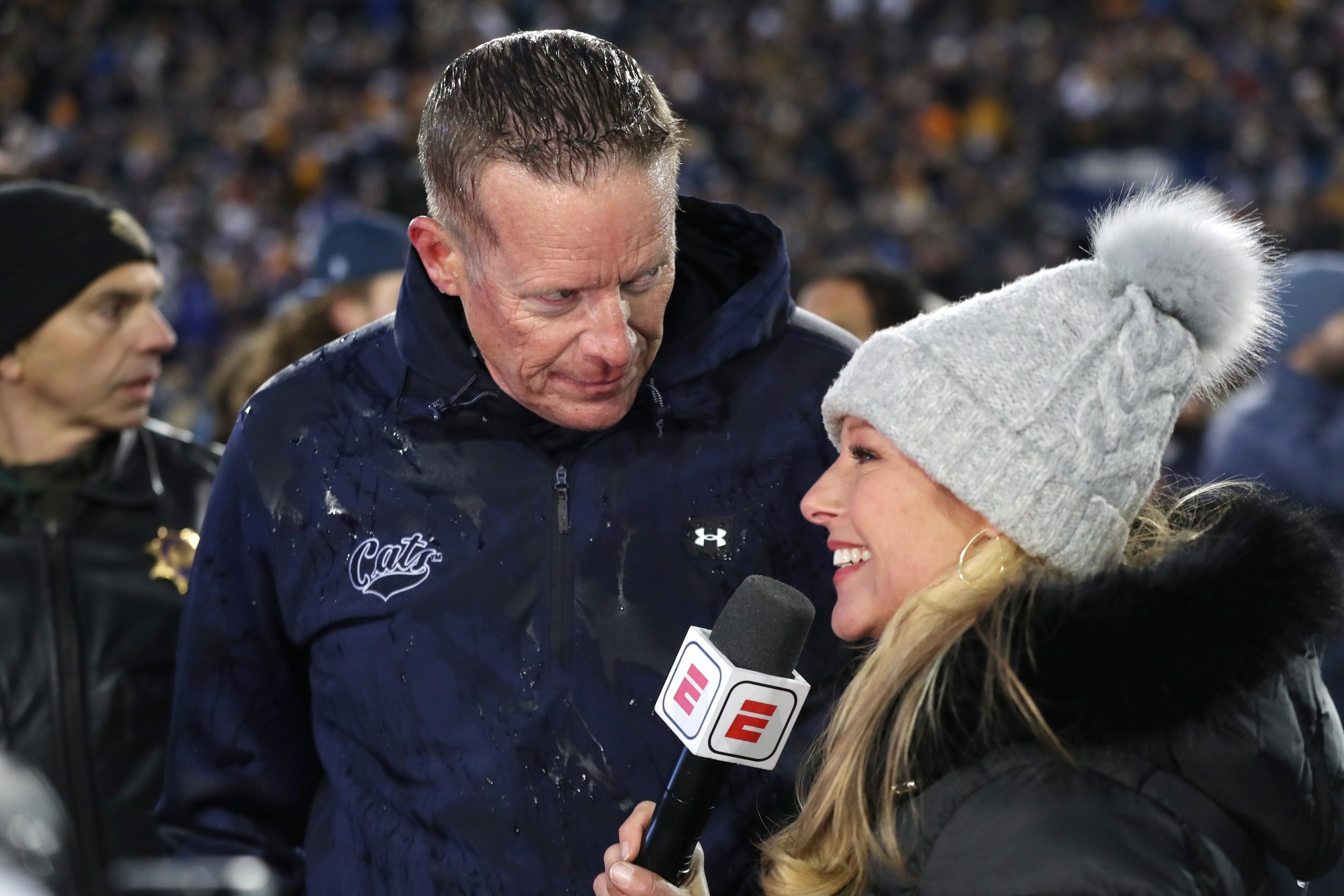
“They’ve (the semifinal wins) have all been very, very special,” Vigen said after his 60th win in 72 games leading Montana State. “I don’t know if this is any more special, or anything like that. But we’ve come a long way with this team.
“Thinking about being in here (the Bobcat Athletic Complex) in mid-January with a lot of empty seats. A lot of new people needed to emerge. That’s the thing this team does: it brings you so much joy as a coach because so many guys have stepped into new roles and taken it upon themselves to become the best version of themselves.
“All these teams are special, all these opportunities are special. And today is the most recent and the fact that we have three to compare is a pretty sweet deal. And we aren’t done yet.”
The first time came in 2011, when North Dakota State defeated No. 3 Georgia Southern 35-7 in the semifinals to advance to Frisco. It was proof that, after transitioning up from Division II ahead of the 2004 season, NDSU belonged. Vigen, an NDSU alum, had been on the staff for his alma mater since 1998 and had been Craig Bohl’s offensive coordinator since 2009. The following week, North Dakota State won its first of three straight national titles, beating No. 1 Sam Houston State 17-6.
Vigen set the tone for his first playoff run in his first season as a head coach by playing a first-time starter who also happened to be a freshman. Following a 29-10 loss in Missoula, Vigen benched Matt McKay, his starting quarterback, in favor of Tommy Mellott, a Butte native who had spent most of his freshman season as a gadget weapon and a special teamer. Mellott, of course, led Montana State to three straight playoff wins, including an upset as the No. 8 seed over No. 1 Sam Houston in Huntsville, Texas in which Mellott threw, ran in and caught a touchdown in the first quarter alone.
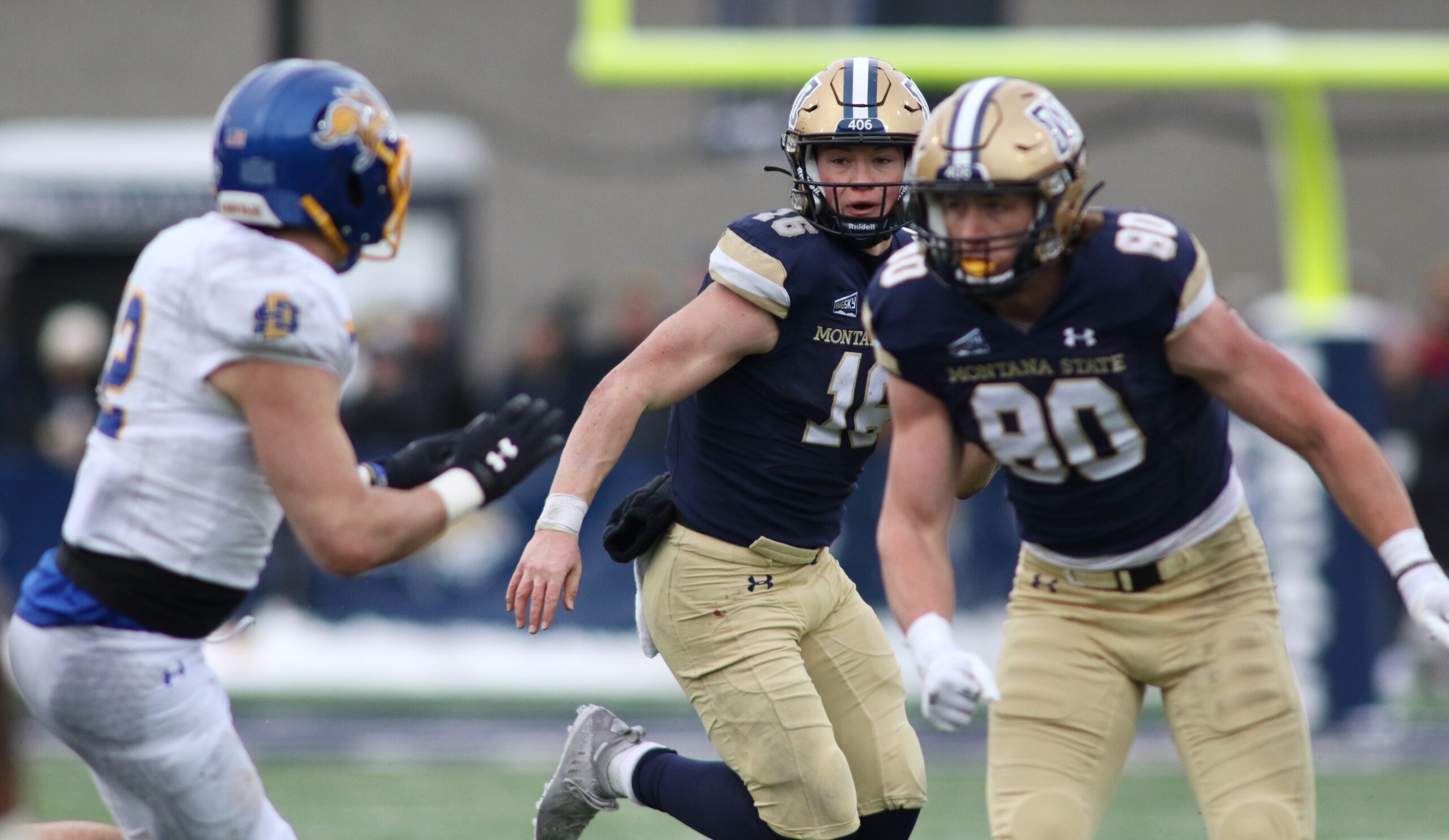
The following week, he morphed into Super Man, throwing for 233 yards and running for 155 yards, totalling four touchdowns as MSU raced past South Dakota State 31-17 and into the FCS title game for the first time since 1984.
That win had grown men crying in the middle of Bobcat Stadium. You could almost feel the collective exhale from the fan base as a whole. The ‘Cats had bounced back from a loss to the Griz to get to the brink of a national title.
Vigen’s second semifinal win as a head coach came with a sigh of relief. The Bobcats were in the midst of the greatest start to a season in the program’s proud history. Never before had an MSU team won more than 10 games in a row in a single season. Montana State’s 31-17 win over No. 4 South Dakota helped make it 15 in a row last fall, a Big Sky Conference record. Many wondered if 2024 would be the year MSU snapped its 40-year national championship drought.
Of course, 2021 and 2024 both came to a crashing halt. In 2021, Mellott suffered a lower leg injury in the first quarter and North Dakota State pounded the Bobcats, rolling to a 38-10 win and its ninth national title in the previous 10 seasons. MSU had to say goodbye to one of the most decorated and winning senior classes in history, a group spearheaded by All-American linebacker Troy Andersen, whirling dervish defensive end Daniel Hardy and fearless and unbreakable nickelback Ty Okada. All three still play in the NFL.
In 2024, another decorated Montana State senior class carried a plethora of wins — this time a 15-0 mark — into the national title game, only to fall flat in the first 20 minutes before coming up just short in a 35-32 loss to…you guessed it, North Dakota State.
That disappointment triggered a mass exodus. All-Americans offensive lineman Conner Moore (Michigan State), running back Scottre Humphrey (New Mexico) and tight end Rohan Jones (Arkansas) hit the transfer portal for lucrative NIL deals. Cornerback Andrew Powdrell (UNLV), a second-team all-conference selection, also went searching for greener pastures, as did starters wide receiver Lonyatta Alexander (Idaho), cornerback Jon Johnson (New Mexico) and safety Dru Polidore (Cal).
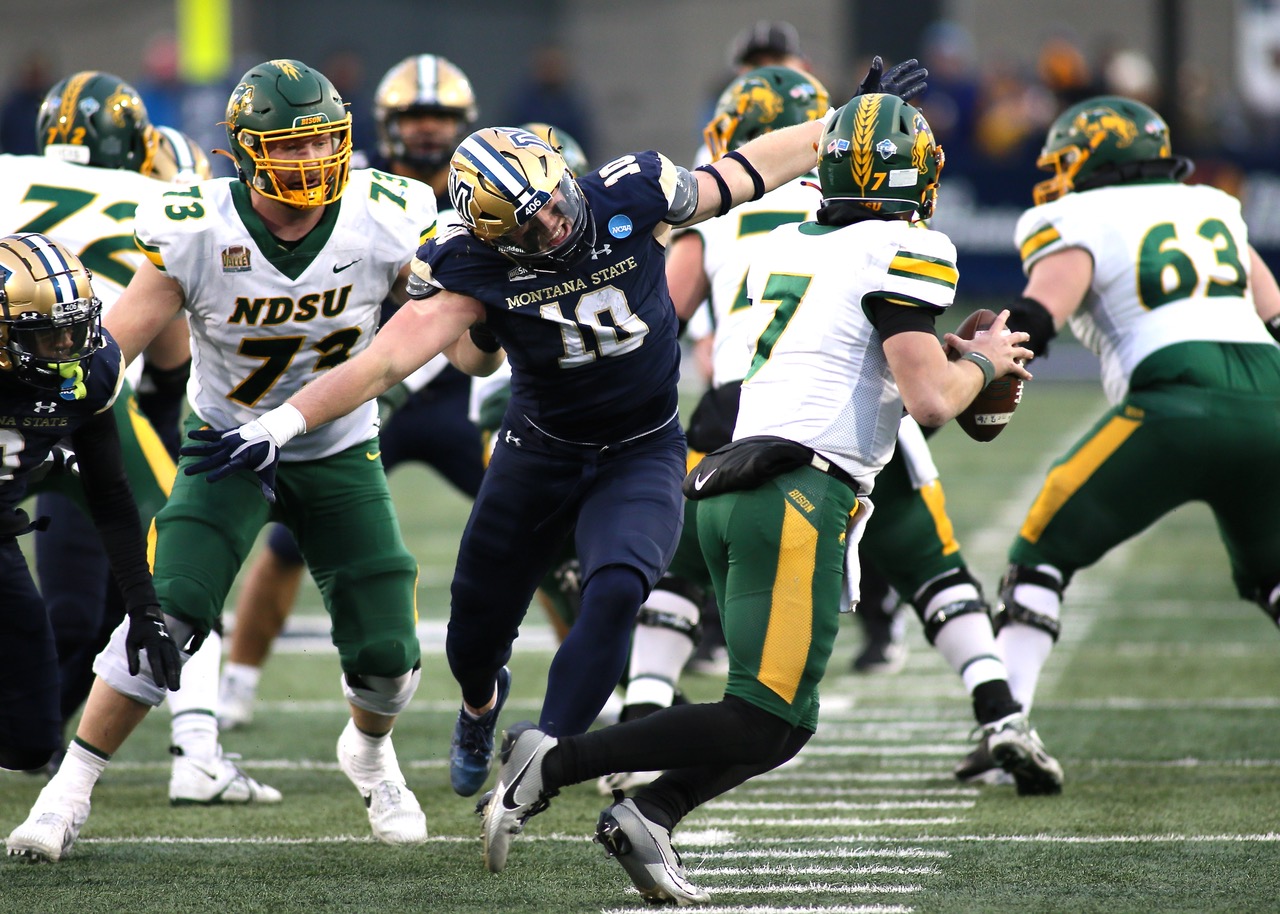
Walter Payton Award winner Mellott and Big Sky Defensive Player of the Year Brody Grebe graduated, as did first-team all-conference seniors offensive lineman Marcus Wehr, linebacker McCade O’Reilly and safety Rylan Ortt. Second-team all-conference players like offensive lineman Cole Sain, captain inside linebacker Danny Uluilakepa and punter Brendan Hall, plus starters cornerback Simeon Woodard, nickelback Miles Jackson and wide receiver Ty McCullouch all exhausted their eligibility.
To make matters more complicated, Vigen had to figure out how to replace both his coordinators after OC Tyler Walker (and offensive line coach Al Johnson) went to Temple while defensive coordinator Bobby Daly went to UTEP. Vigen also had to replace wide receivers coach Justin Udy, who doubled as the special teams coordinator, when Udy bounced for Boise State.
None of it mattered. The Bobcats took just a handful of transfers — quarterback Justin Lamson (Stanford) and wide receiver Chris Long (Rutgers) were the only transfers who started for MSU Saturday against the Griz — yet still captured a third Big Sky championship in four seasons. The roster featured just nine seniors.
“We had to figure it out. It wasn’t like we were going to take off in January and have one group or another not become what they need to become,” Vigen said. “I think generally, it’s two-fold. Our group of new leaders really took it upon ourselves to take on that new role. That’s not just our captains. That’s 15 to 20 guys who really have led us.
“And we also have a youthful group MSU that maybe still haven’t figured it out. But they’ve figured out a lot of things. Our leadership and our youth both rising up to the challenge we set back in January, it’s a really cool deal that has come together.”
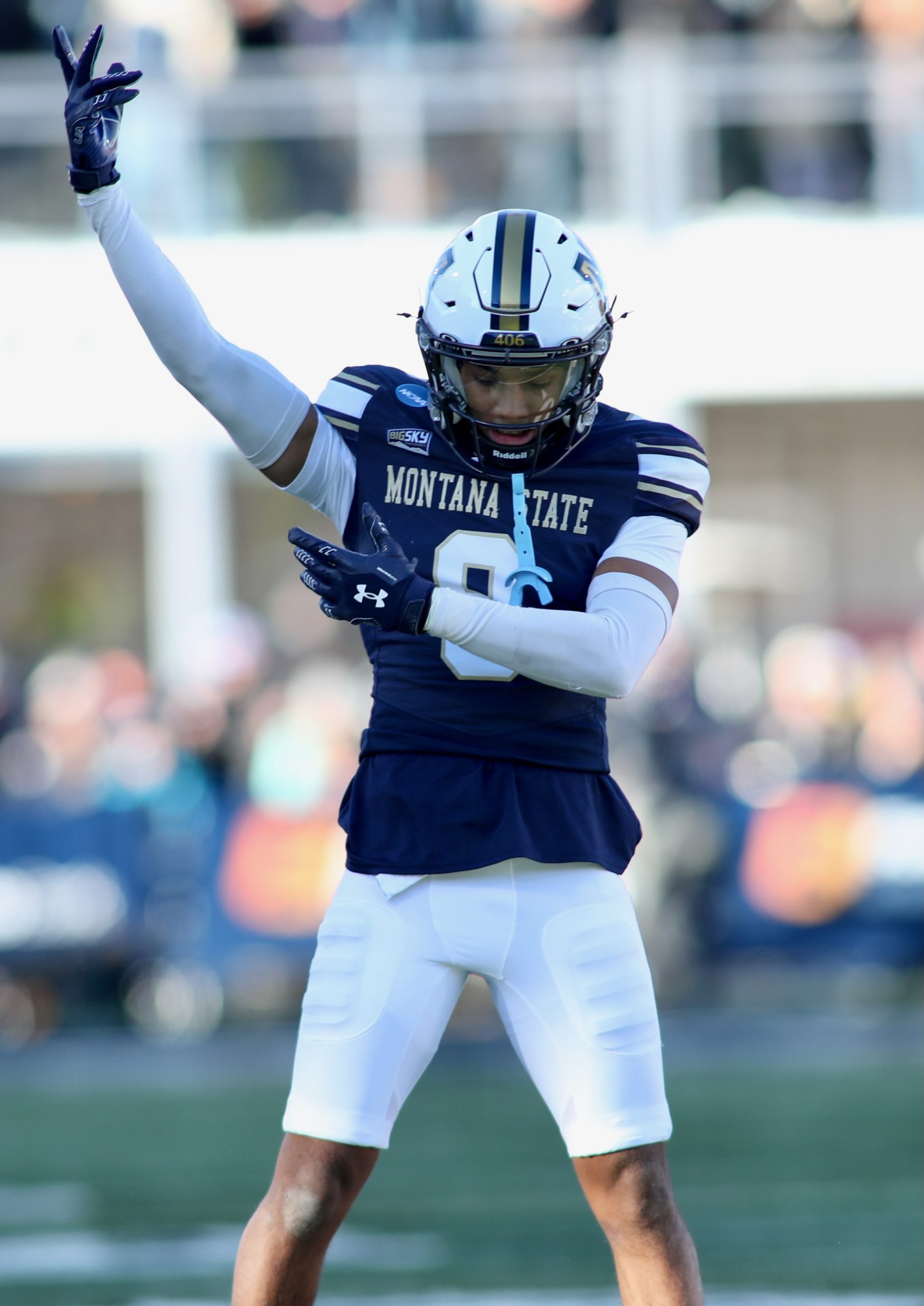
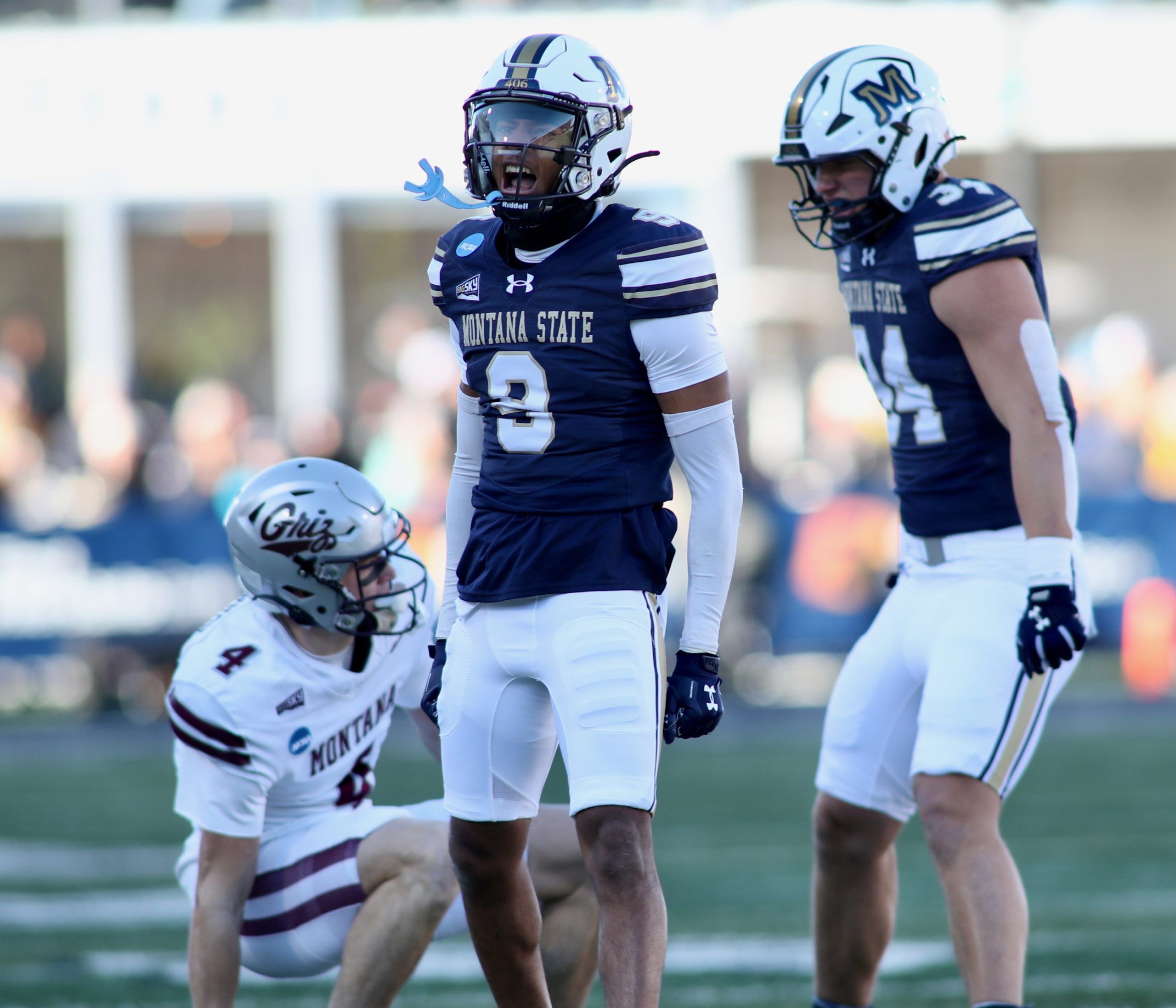
Perhaps Montana State’s depth and chemistry was best on display Saturday when Caden Dowler, this season’s Big Sky Defensive Player of the Year, went down with a shoulder injury only to see Colter Petre, a former walk-on from Helena High, more than hold his own. And while Dowler, a captain as a junior, gritted his teeth in pain on the sideline, his superstar twin brother Taco helped Montana State explode to a victory thanks in large part to an iconic 87-yard touchdown that Vigen said is one of the greatest plays in Montana State football history.
“These two brothers are something, and the fact that for 14 games-plus, they’ve both been able to operate at a high clip, that’s been really special,” Vigen said. “I know they’ve had moments where one of them has been out there and the other hasn’t and that happened again today.”
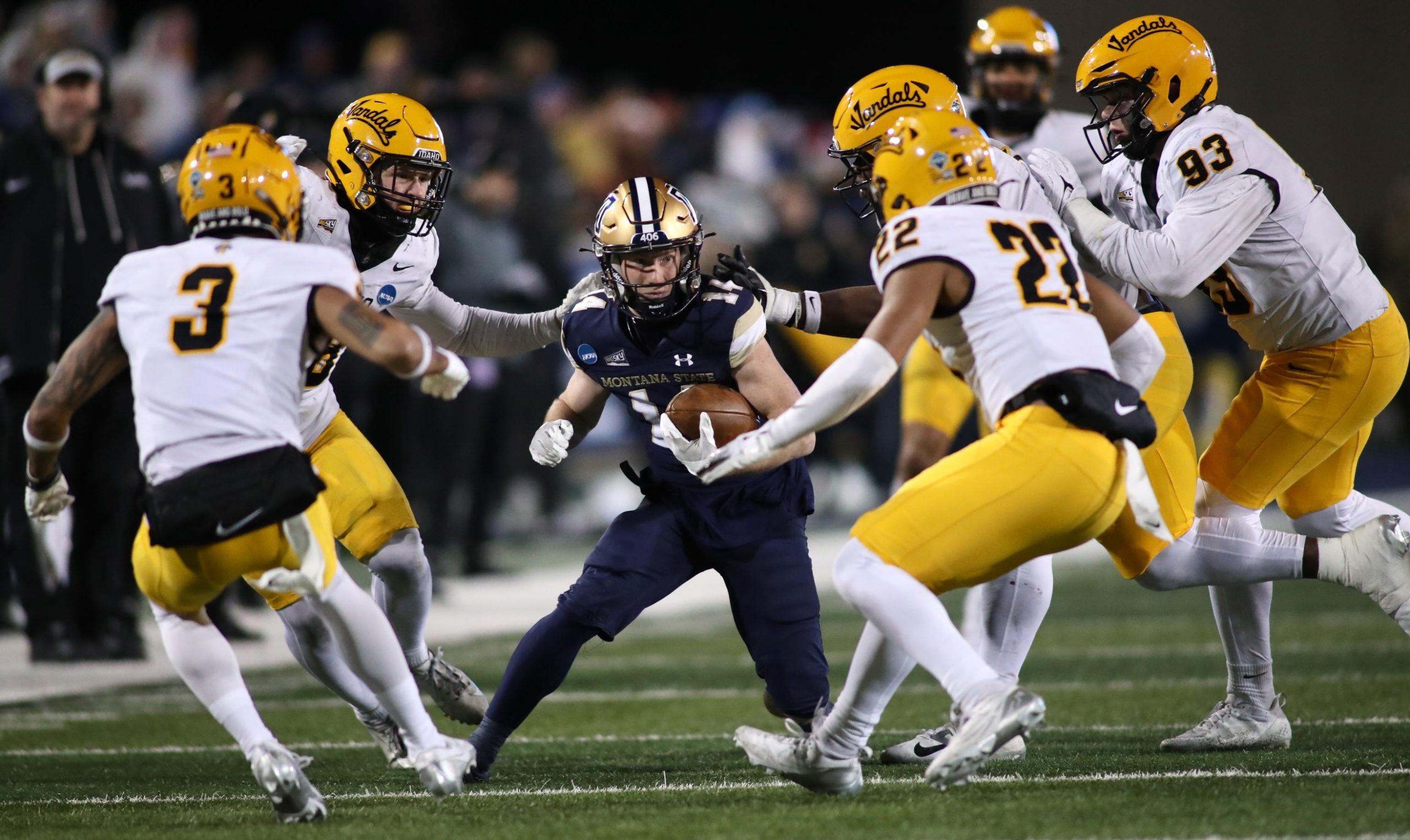
This is the first time the Treasure State’s fiercest rivals played in the post-season in the 128-year history of the rivalry.So, inevitably, despite Montana’s 13-2 record, the fallout for the Grizzlies will be profound. Big picture questions arise on both sides of the Great Divide after Montana State won for the 8th time in the last 10 against the Grizzlies.
What does it mean for Montana State to be able to graduate Mellott, Brody Grebe and a star-studded roster laden with two dozen seniors, then start the 2025 season 0-2 and still be headed to the national title game while Montana — which started 11-0 for just the fourth time in school history — is sitting at home? The Griz are left wondering just how the Bobcats have so conclusively gained the upper hand in a rivalry the Griz dominated so thoroughly for the first three decades of the schools’ Division I-AA eras beginning in 1978.
Montana State’s 25-point win gives MSU four straight victories over UM in Bozeman by an average of 29 points per. The Bobcats have now won eight of 10 over the Grizzlies after beating them twice in the span of 28 days, following a season-ending and playoff-seed-determining 31-28 win in Missoula on November 22 that ensured Saturday’s “Super Brawl” would be in Bozeman.
It’s certainly caused for reflection on both sides.
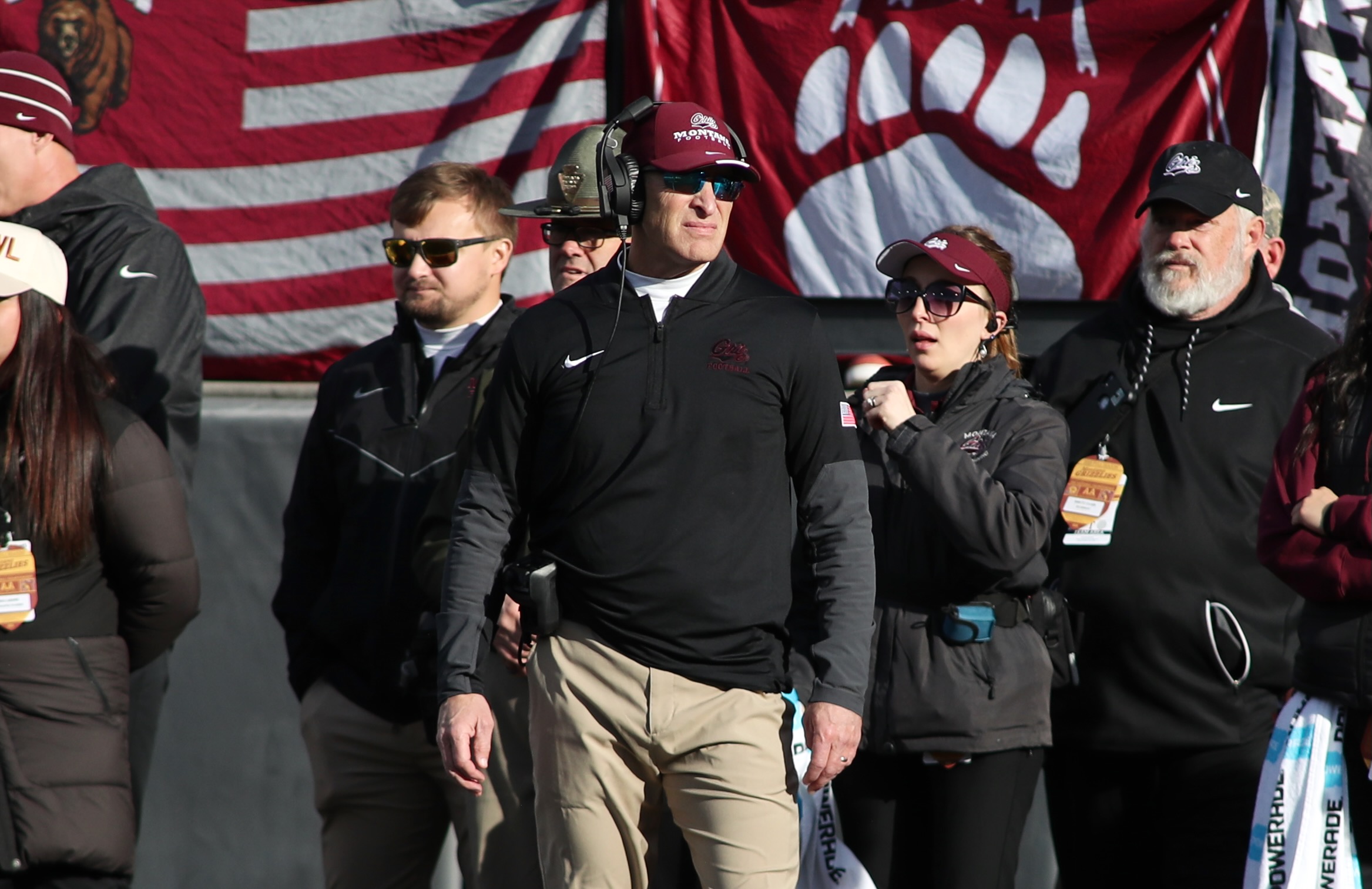
“They’ve done a really good job,” Hauck said, referring to Montana State football. “We’ve been behind in some of the NIL and that stuff, but we are now level, I believe, moving forward. They’ve done a really good job.
“The bar was set in this conference by us. There’s been a desperate urgency at this place (MSU) to catch up. And certainly they have. We talk about it a lot. I talk to (MSU athletic director) Leon (Costello), talk to Brent (Vigen), and everybody is looking at the two of us. We have good football programs. We have good players, we have good coaches. It’s highly competitive, whether it’s recruiting or on the field.
“Competition is good. That’s why you do this. It’s highly and wildly competitive. My impression is the wrong team won today. But that’s 50 percent of the state, not the other 50.”
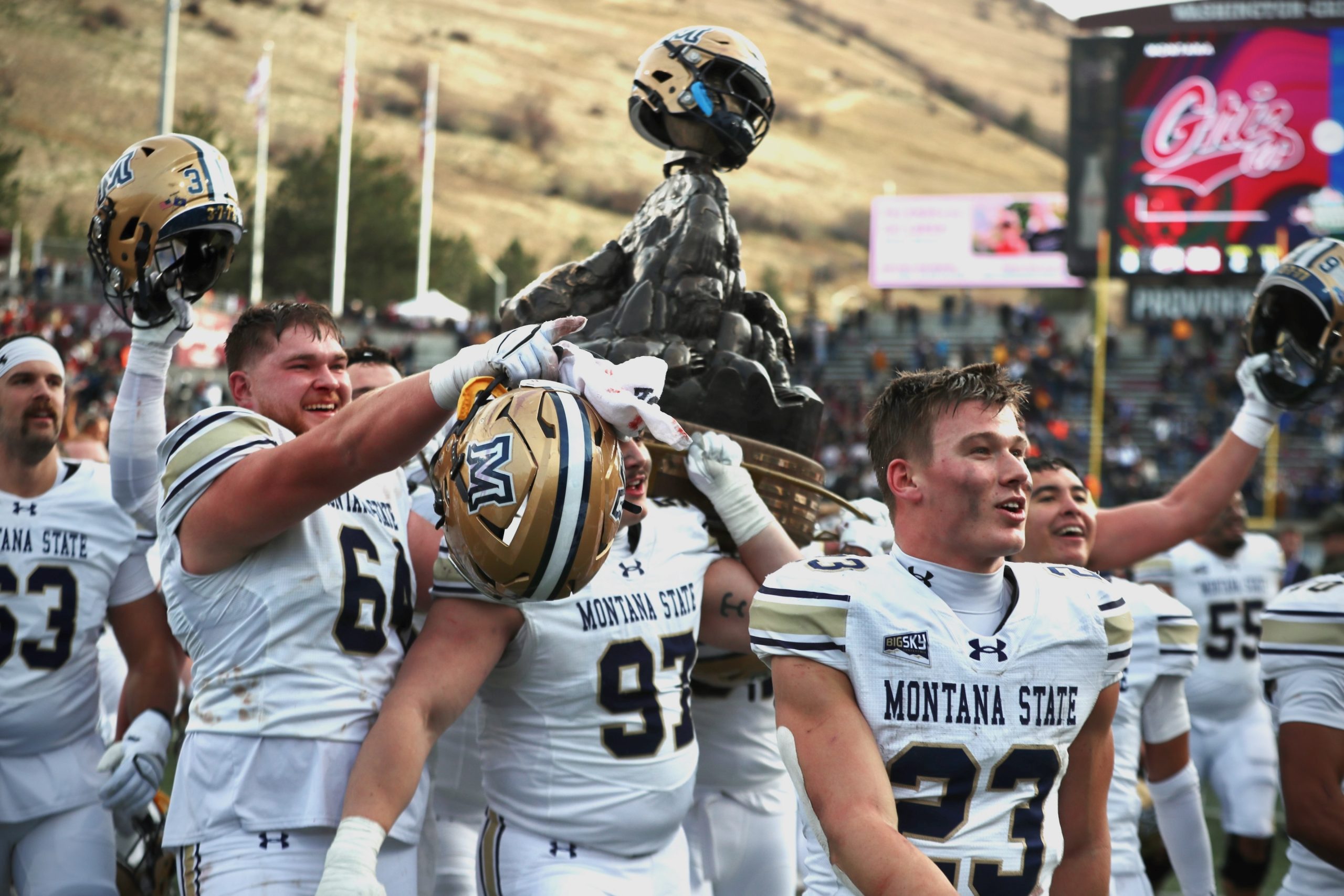
Vigen is now 4-2 against Montana. The Bobcats are 13-11 against the Griz since the streak snapped in 2002. Since the two teams joined the Big Sky Conference, Montana holds a slight 33-32 edge over MSU.
Since 2010, Montana State has claimed six Big Sky Conference championships. Montana has won one. The Bobcats have been to the semifinals of the FCS Playoffs five times since 2019. Montana has been twice since 2009. The Bobcats are playing in the title game for the third time in five seasons with Vigen at the helm.
“The all-around piece is how it is,” Vigen said. “It’s something that we are about every day of the year probably in some facet. You have your game week in November. That’s about that game. But being able to recruit this state and get the best and brightest to come to Bozeman is the most important thing.
“There’s a long list of guys we have been very fortunate to bring to Bozeman. That’s where it’s an every day deal. If you don’t realize that, you are a little off. I knew Day 1, that was going to be a priority. We’ve worked really hard at that. And guys have had really good experiences … It keeps adding on to itself.
“Can’t say about the young men from this state that are on our football team and the impact that they’ve made.”
Saturday at Bobcat Stadium was triumphant for Vigen and the Bobcat faithful. There’s no doubt who has the upper hand in the rivalry since Montana State moved on from Rob Ash following the 2015 season, which also marks the last time the Griz won in Bozeman.

But for the semifinal victory to become a true seismic shift…for MSU’s consistent domination of Montana over the last decade to have a final sledgehammer of assertion behind it… Montana State must defeat Illinois State and win its first national title in 41 years when it plays the Redbirds in Nashville, Tennessee on January 5.
And Brent Vigen knows it.
“This has happened three times, we have hosted a semifinal, we have won each of them but you can’t take these moments for granted,” Vigen said. “You want to take them all in. As a coach, you want to think ahead. I know that game (Illinois State’s 30-14 win over Villanova) is already on and I know at the same time, we have two weeks to prepare.
“We have been through this transition. I want guys to do everything we can to finish the job the way we intend to. We aren’t finished yet.”