It’s one thing to talk the talk.
But Big Sky Conference football needed to finally walk the walk.
The super league, at least by Football Championship Subdivision standards, has long made a compelling case as the best conference in the second tier of Division I football.
So which conference has the national bragging rights — the Big Sky or the Missouri Valley Football Conference?
Since the subdivision expanded to 24 playoff teams in 2013, the Big Sky has had four or more playoff teams seven times, including an FCS-record five in 2021 and 2024. The league has had at least three playoff teams every season, save the pandemic-shortened 2020 spring season. And for four consecutive postseasons, the Big Sky has placed three teams among the top eight national seeds.
The conference has spent more than a decade making a legitimate case as the deepest and most competitive league in the FCS. But perennial champions North Dakota State and its archrival, South Dakota State, have given the Missouri Valley the final say in that argument.
If you have the national champion, it’s hard to argue that you aren’t the best conference.

North Dakota State won nine FCS crowns from 2011 until its departure for the Mountain West this past offseason. South Dakota State won two other national championships during that span. Sam Houston won the spring title in 2020, while James Madison won its final FCS title in 2016 before moving up following the 2021 season. No one else sniffed the trophy.
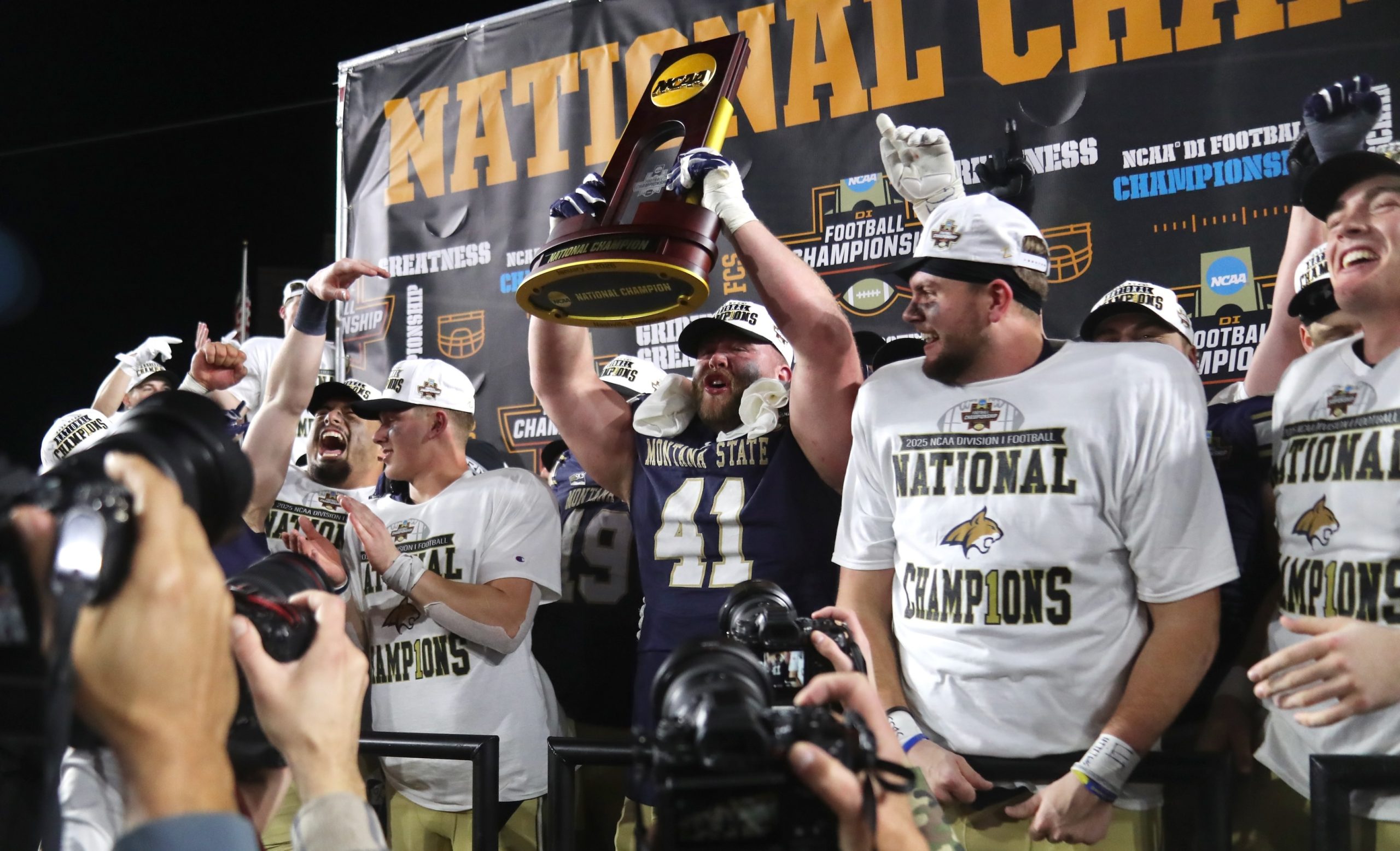
That is, until Montana State’s breakthrough run last season.
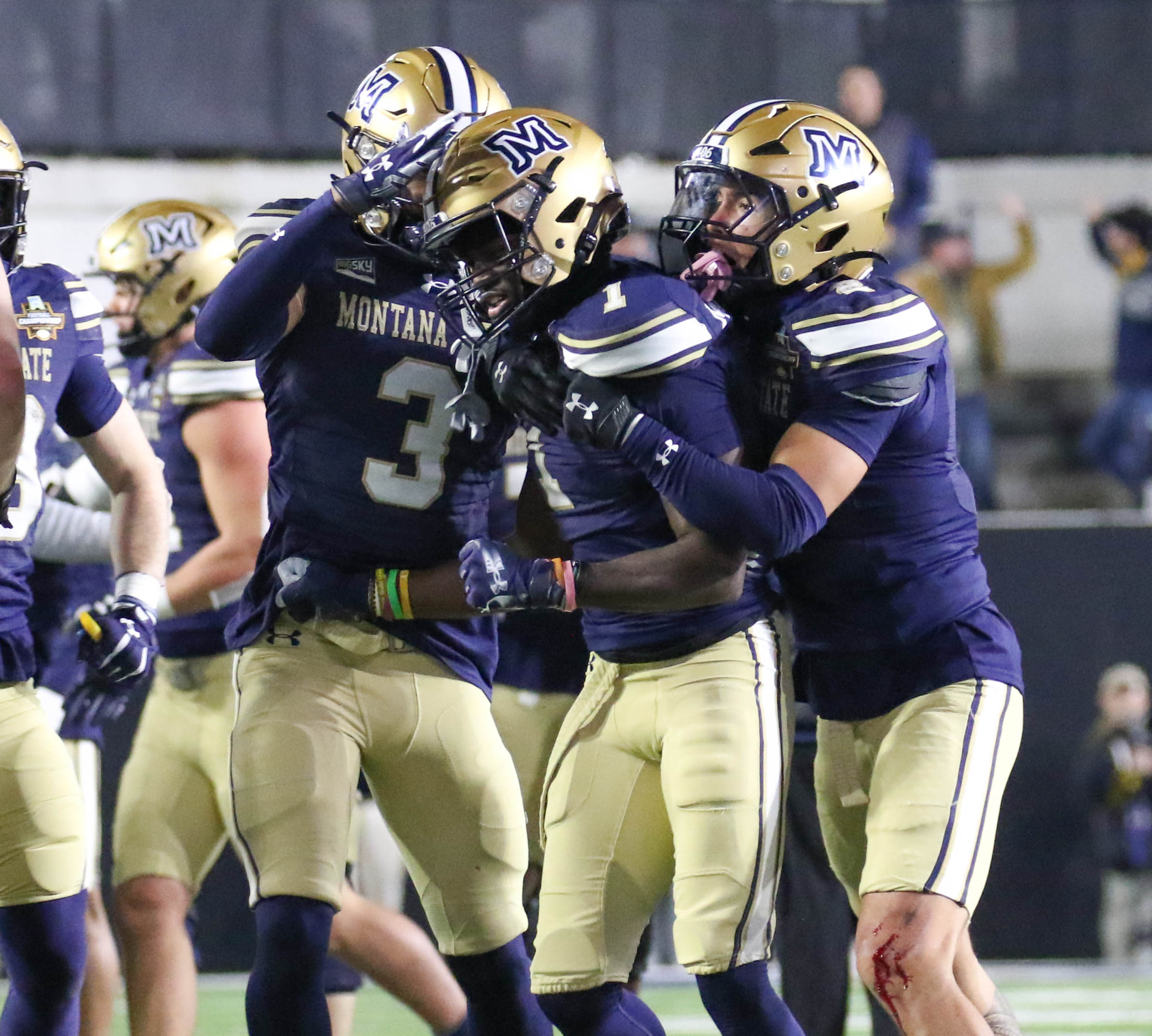
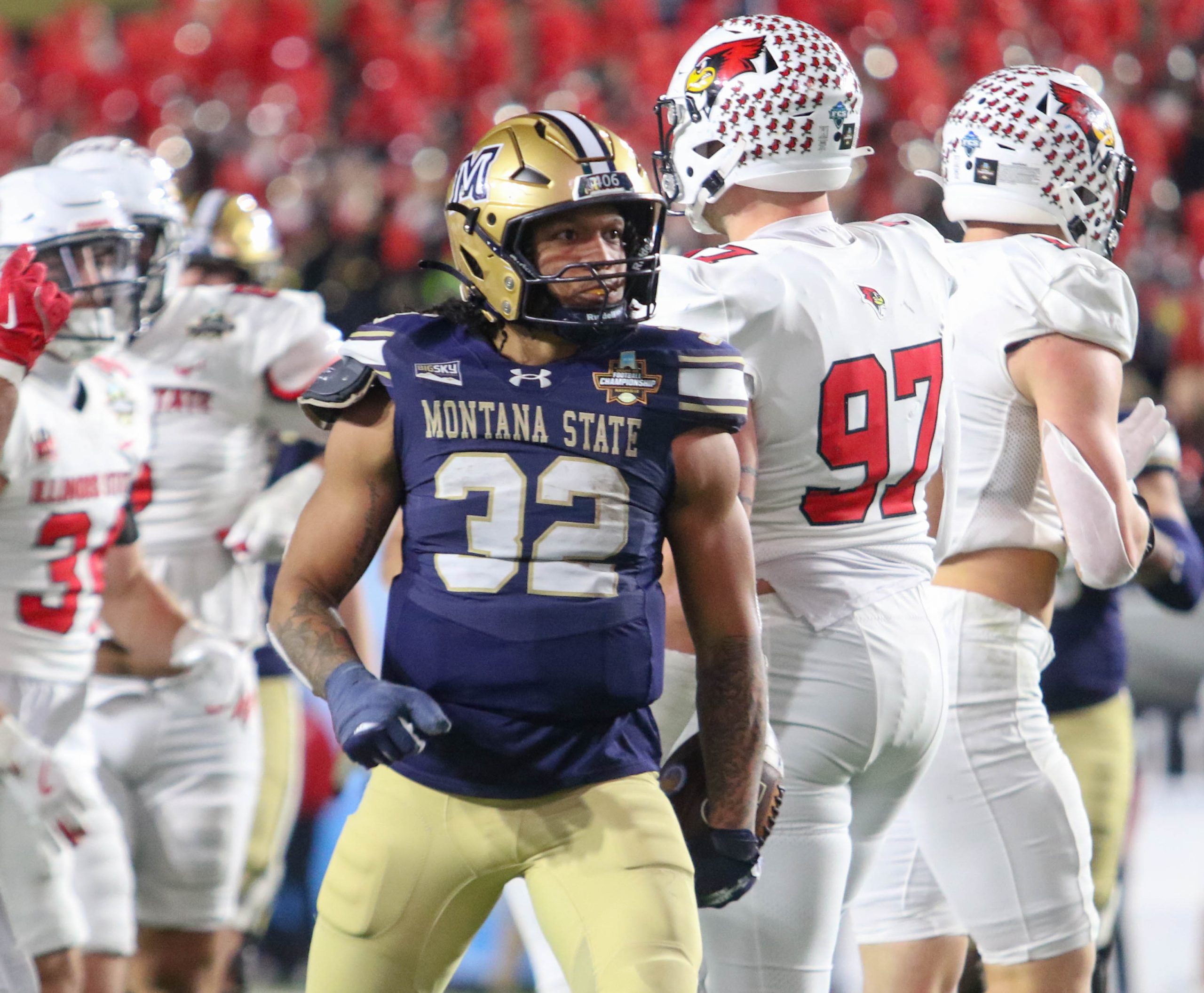
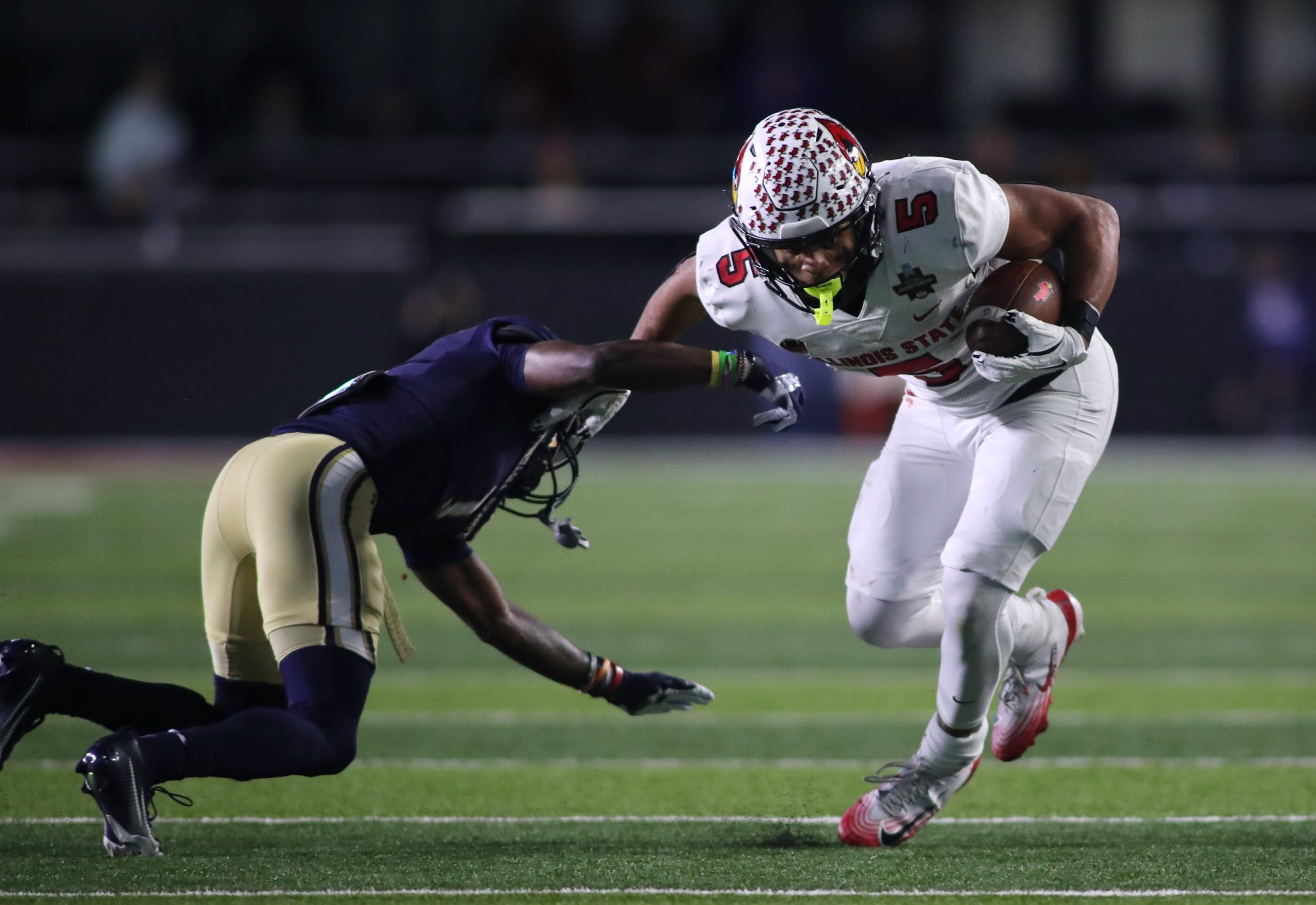
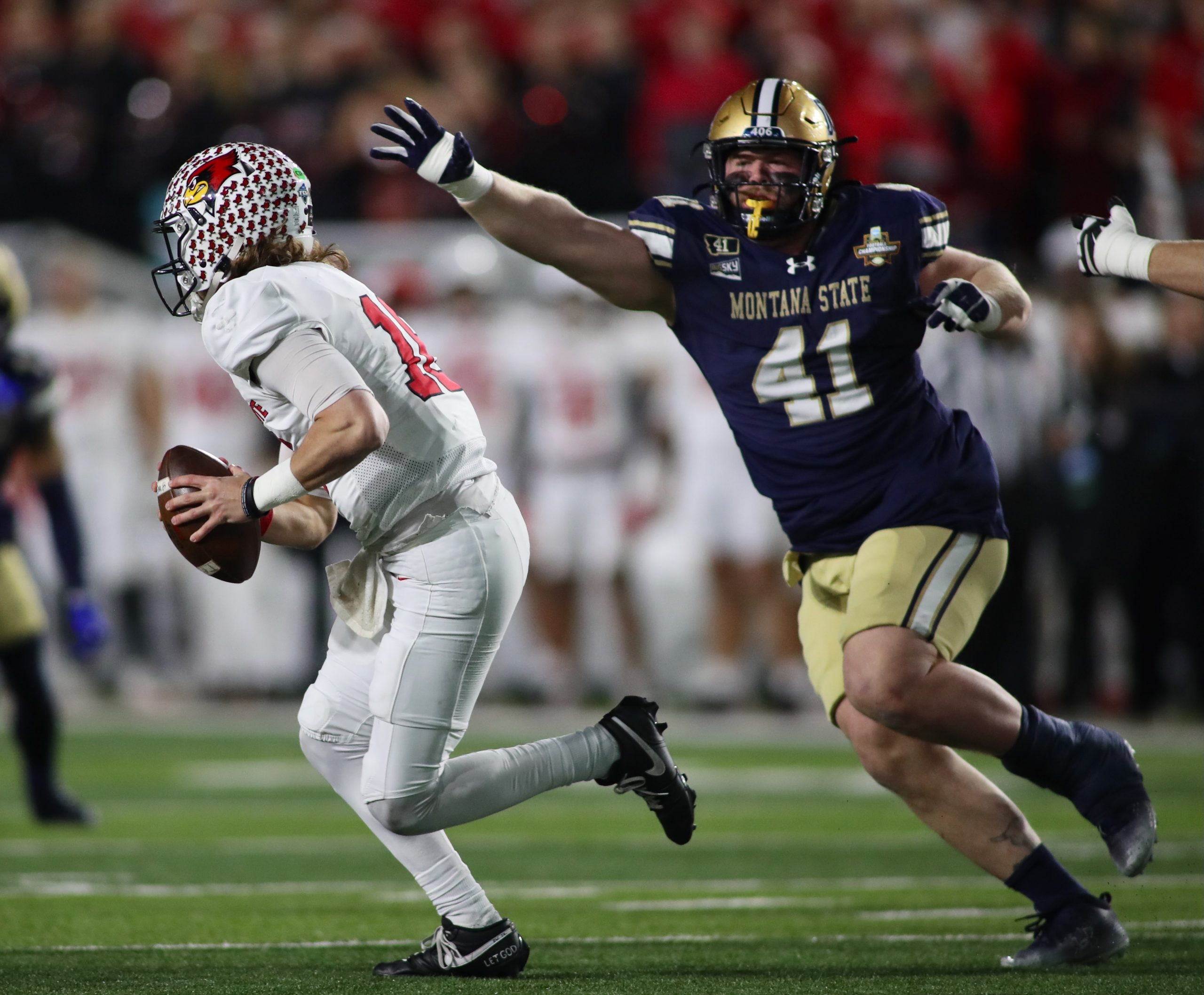
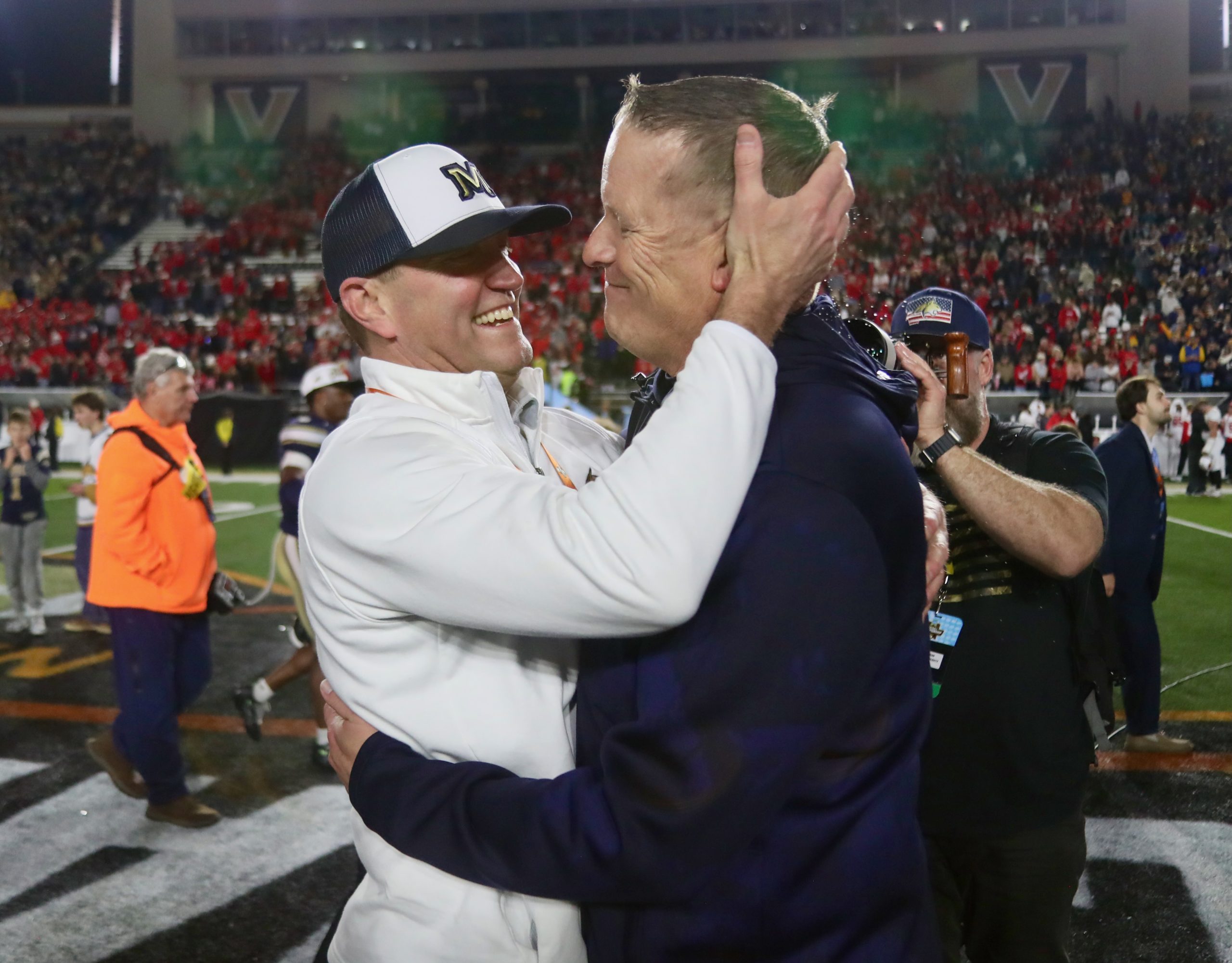
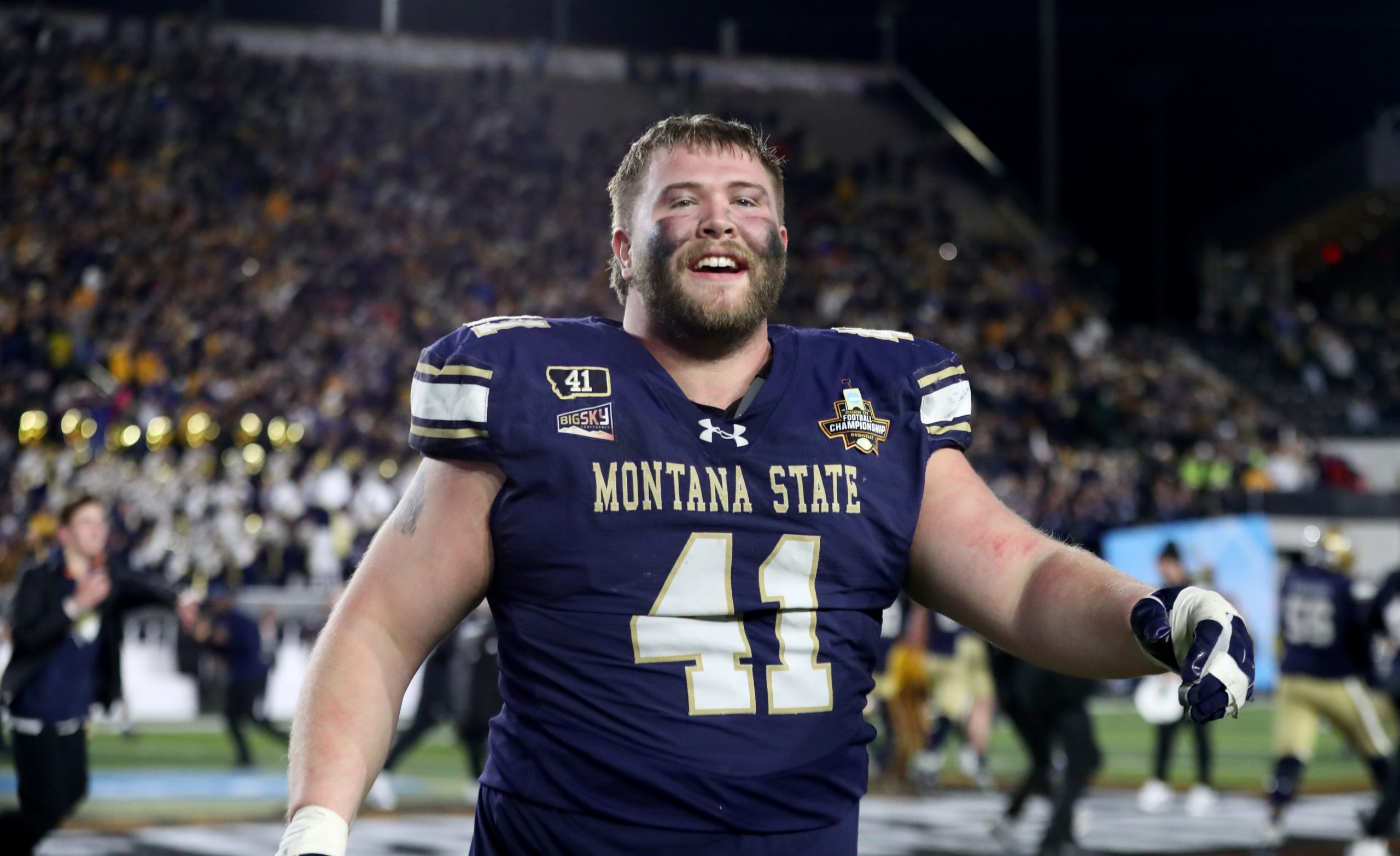
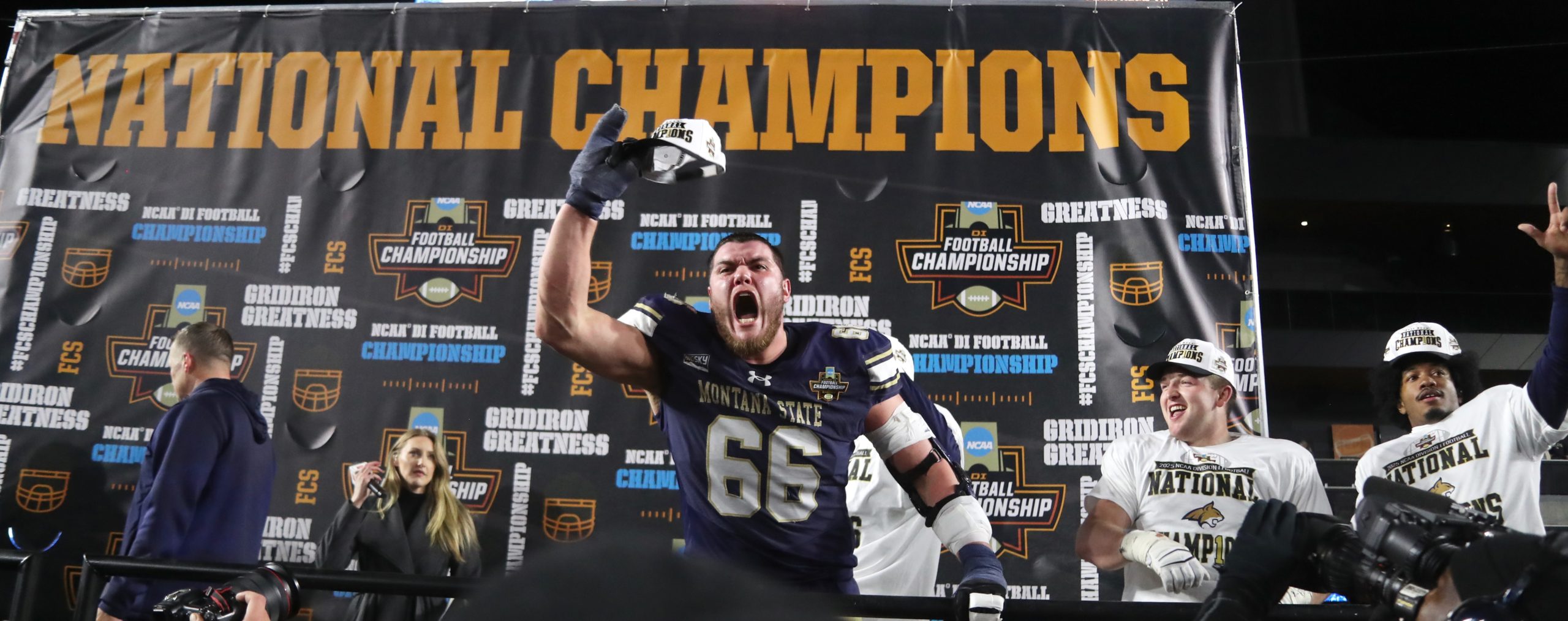
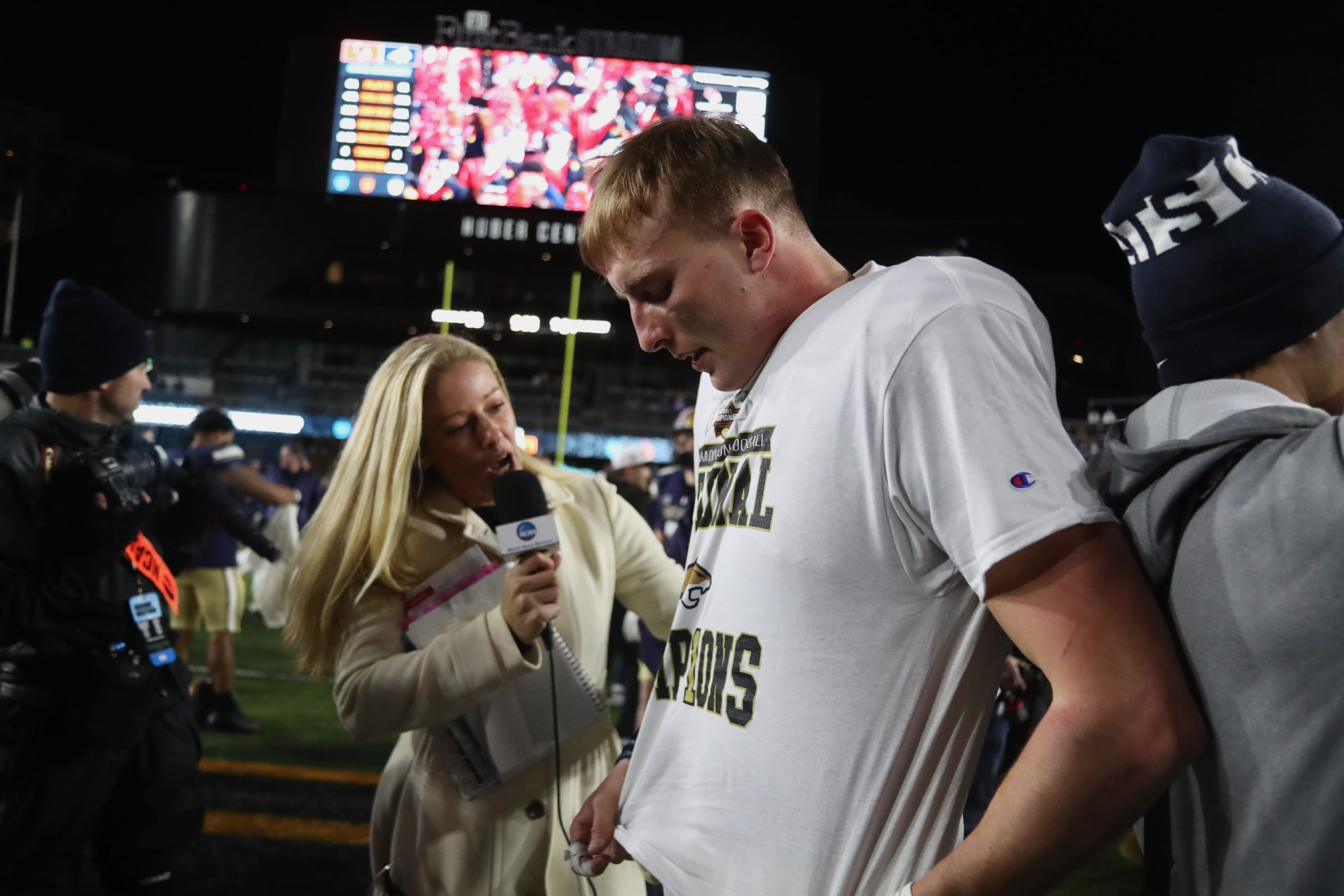
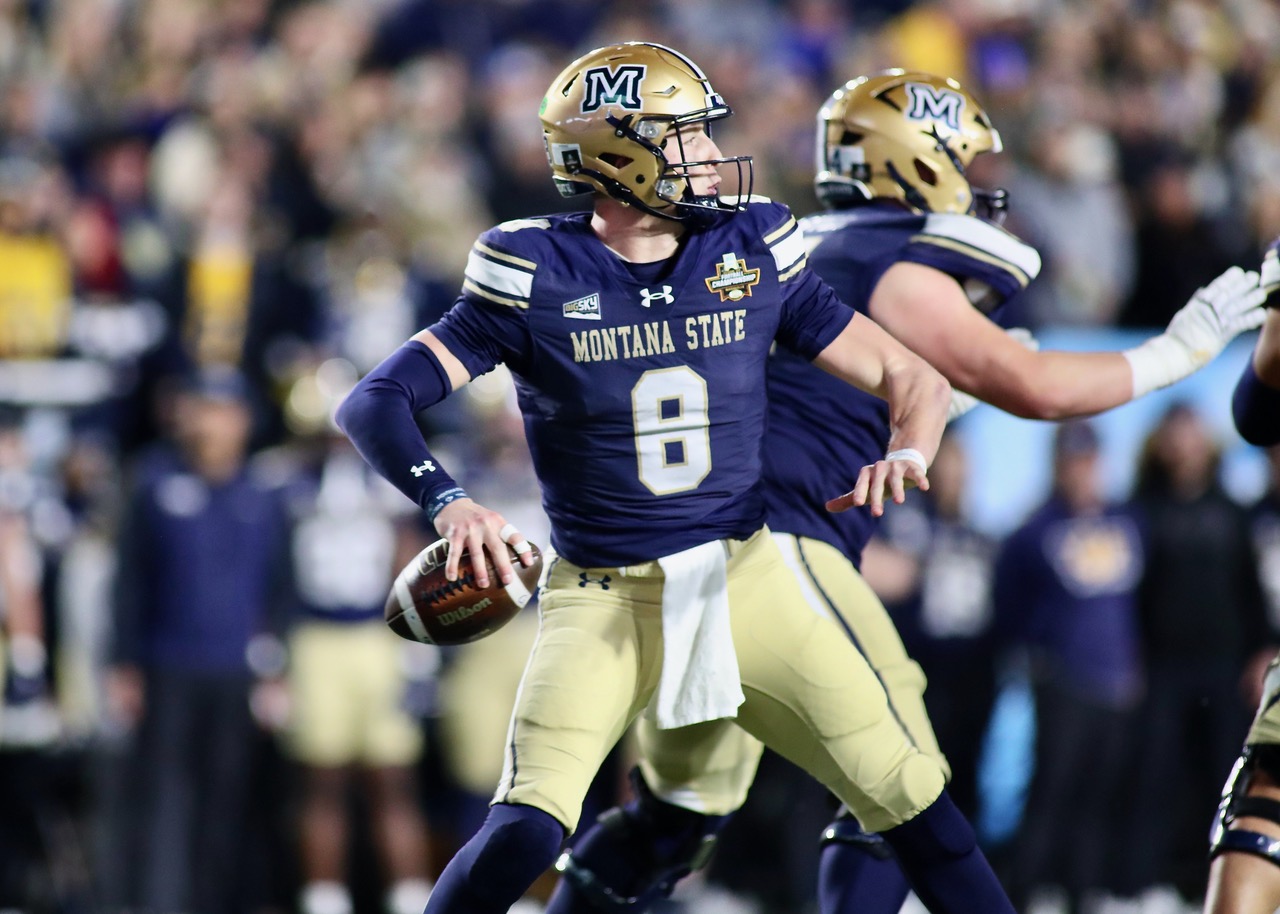
The Bobcats strung together 14 straight wins, including an unforgettable 35-34 victory over Illinois State in the national championship game to claim the program’s first national title in 41 years.
It also marked the first national championship for a Big Sky team since 2010 and the fifth Division I-AA/FCS title in the illustrious history of a conference that dates to 1963.
“I think it elevates everyone,” UC Davis head coach Tim Plough said at the Big Sky Kickoff media conference in July. “It’s crazy to me that it took almost 16 years for someone to win it. When one team wins all of them (NDSU), that’s part of it (laughs). But maybe the pendulum has swung back and now maybe our conference is the one that wins a bunch of them in a row.”
Plough’s Aggies have been both a recent stalwart and an upstart trying to break through. Davis has made the playoffs four times since claiming the program’s first Big Sky title in 2018. Plough has guided his alma mater to the quarterfinals in each of the last two seasons, the deepest playoff runs in UC Davis history to this point.
Plough’s team was a few mistakes away from reaching the FCS Final Four a year ago. Had it done so, the Big Sky would have placed three teams in the national semifinals. Montana State, of course, beat Montana for the second time in 28 days, this time 48-23 in the national semifinal, to secure its third national championship berth in five seasons under head coach Brent Vigen.
“Montana State winning for sure brings validity to our conference because our champion is the one that won THE championship. Shoot, if we wouldn’t have stubbed our toe, the Big Sky would’ve had three of the four teams in the semifinal, which is a testament to the depth of our conference.”

Plough’s Aggies challenged the Bobcats in each of the last two seasons. In 2024, MSU needed a McCade O’Reilly interception in the end zone late in the game to secure a 30-28 win in Davis and keep its undefeated record intact during a season in which the Bobcats won 15 straight games before losing to — you guessed it — North Dakota State, 35-32, in the national championship game.
Last season, the Bobcats needed a late push to dispatch Davis in a – victory in Bozeman. Yet Davis still earned a top-eight seed despite the loss.
Playing the Bobcats competitively, especially now that they are national champions, gives Plough’s team confidence. It’s a common dynamic for competitors around the conference.
Saturday, Montana State hosts No. 18 Northern Arizona. NAU pushed MSU early last season, playing to a 7-7 stalemate about 20 minutes into the game. Then Taco Dowler flipped the momentum with a 90-yard punt-return touchdown, sparking MSU to a 34-10 runaway.
Still, knowing they could hang with Montana State for at least part of the game gave the Lumberjacks confidence. NAU veteran quarterback Ty Pennington believes that experience should give the rest of the league some additional swagger, too.
“Once teams play the national champion, they then understand the level, what a national champion looks like,” said Pennington, who will make his 30th consecutive start Saturday night in Bozeman. “It can give you a certain confidence, like, oh, we can play with them, or it can give you a reality check. Montana State probably feels like they have a big target on their back, but that’s the end goal. Seeing a team from this conference do it, it gives the rest of the teams the edge and that want to get there.”
Some would say Montana State’s “proof of concept” was enough to drive the winningest coach in Big Sky history out of his alma mater and out of coaching in the FCS.
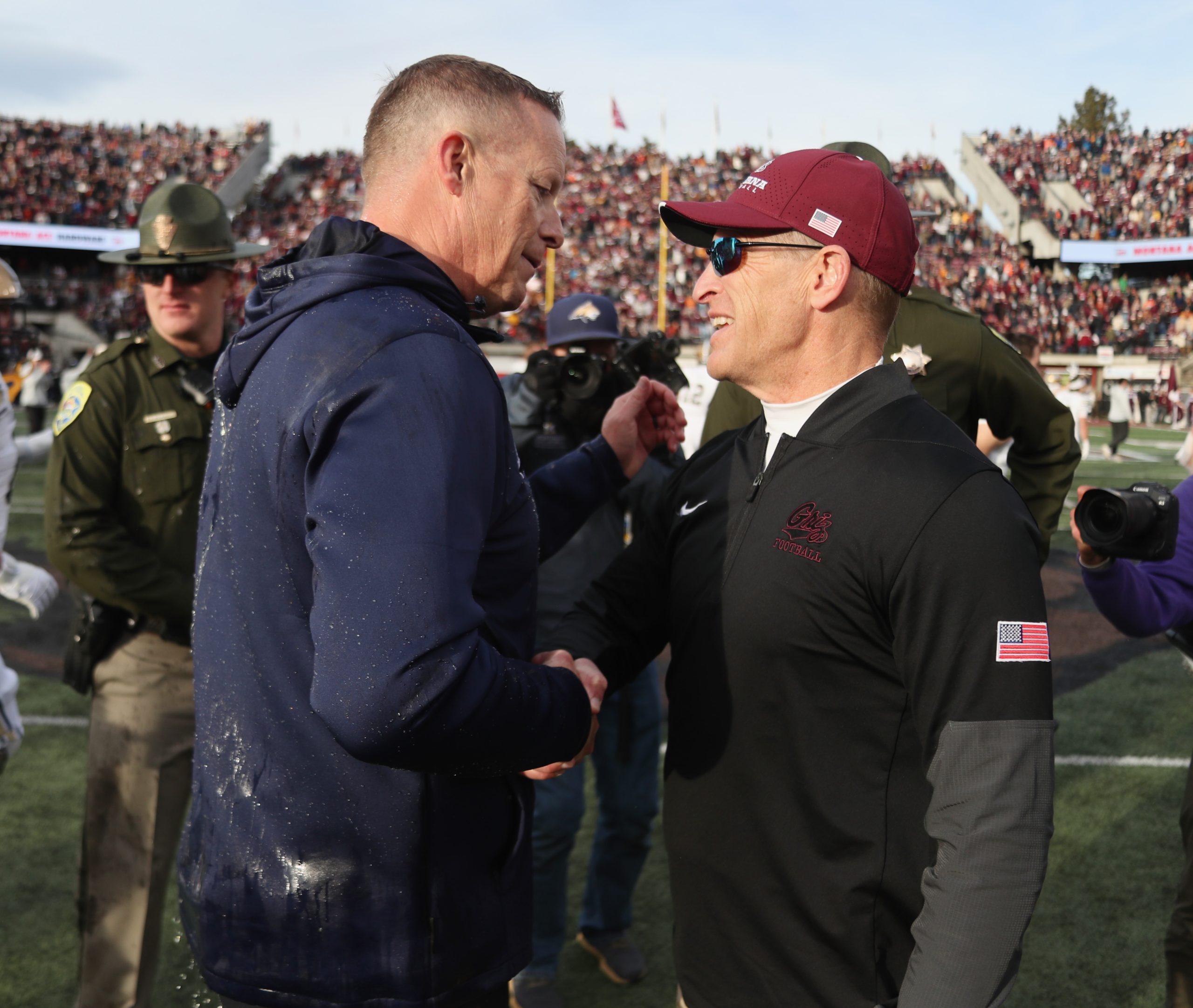
Less than two months after his second “Brawl” loss to the Griz, longtime head coach Bobby Hauck “retired” in one of the most bizarrely timed moves in Treasure State football history. Hauck walked away on National Signing Day in February, leaving the program in a position to promote internally unless Montana wanted to risk a mass exodus of players.
Montana athletic director Kent Haslam anointed Bobby Kennedy, giving him the inevitable task of closing the gap against an archrival that has beaten the Grizzlies in eight of the last 10 rivalry matchups. Montana State also just claimed a crown that has eluded Montana since 2001, despite UM making four championship-game appearances — 2004, 2008, 2009 and 2023 — under Hauck during his two tenures since the last time the trophy returned to Missoula.
The Griz have four goals written on the wall in their locker room: graduate, beat Montana State, win the Big Sky Conference and win the national championship.
Now, outside of the academic aspirations of the UM football team, the other three on-field goals have become a singular pursuit given Montana State’s incremental yet rapid rise.
“It was a great league already, but any time there’s a champion that comes from your league, it makes it that much more special,” Kennedy said. “And there is a standard. And that’s our standard.
“Any time there’s excellence, we are all doing this in the pursuit of excellence, and let’s be frank: our goal is to be the national champions just like our rival was. There are other places around the country where a lot of teams just try to get to six wins to go to a bowl game. But in the Big Sky, we are talking about conference championships and national championships, and at Montana, both of those things are important and expected.”
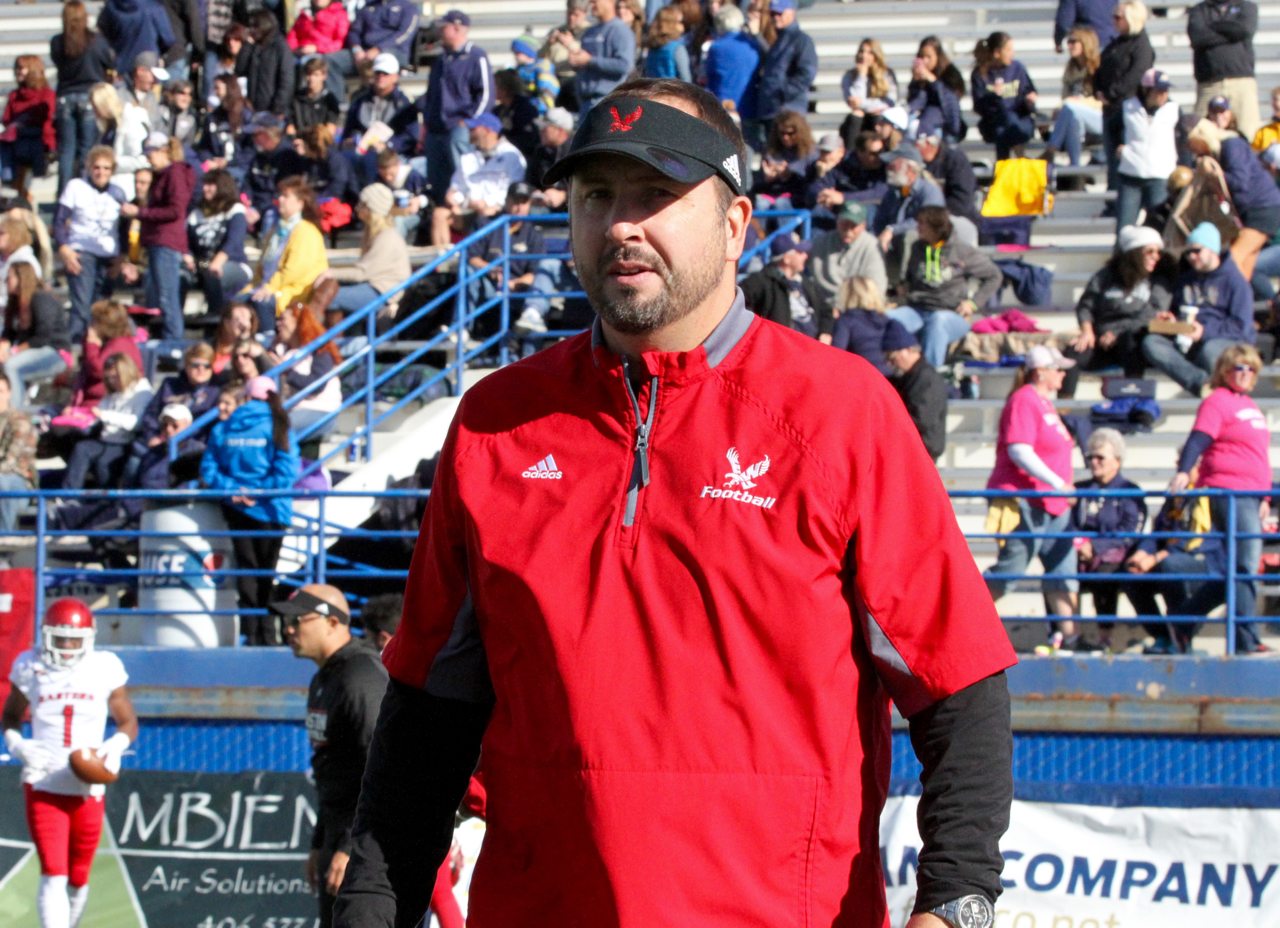
Eastern Washington’s triumph in 2010 came because of an unbelievable hot streak as much as transcendent talent. That team featured Walter Payton Award-winning quarterback Bo Levi Mitchell, future 10-year NFL running back Taiwan Jones, Buck Buchanan Award-winning linebacker J.C. Sherritt and All-American wide receiver Brandon Kaufman, who caught the game-winning touchdown in EWU’s 20-19 win over Delaware in the title game.
Since then, EWU has fielded more talented teams. But Big Sky icons such as Cooper Kupp, Vernon Adams, Kendrick Bourne, Samson Ebukam and Eric Barriere could never get past either wintry conditions in the semifinals or, like Barriere’s Eagles in 2018, the juggernaut known as the NDSU Bison.
EWU made five semifinal appearances and reached the 2018 title game in head coach Aaron Best’s second season before fading from the front of the Big Sky pack.
Montana State has stepped in as the premier program in the conference, advancing to the semifinals or farther every season from 2019 through last year, except in 2023, when the Bobcats lost in overtime in the second round to — you guessed it — North Dakota State.
Montana State’s title-game trip last season marked its third since 2021 and resulted in the program’s first national championship since 1984. The proof of concept has already affected the tenor around the league, both in terms of what it takes to win a national championship and what the Bobcats accomplished.
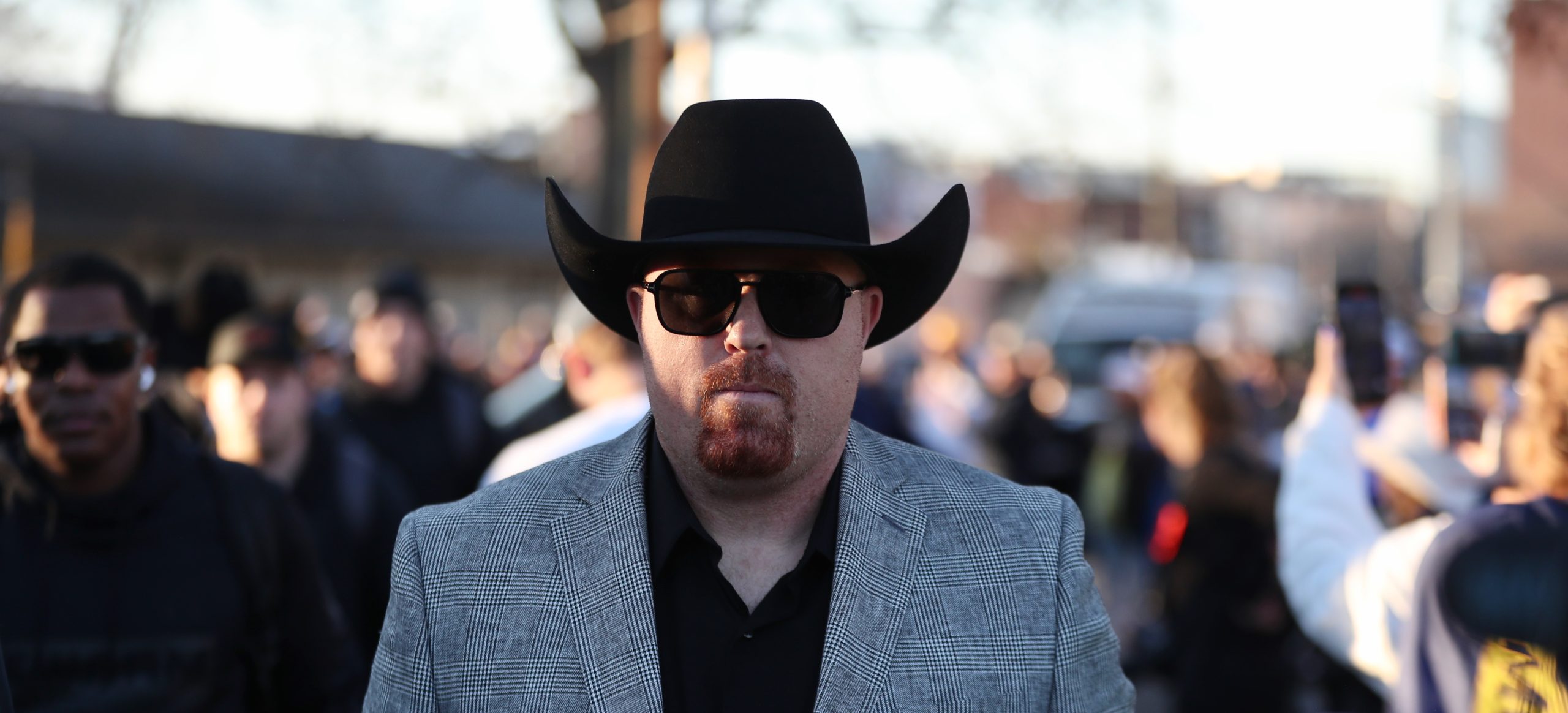
“I’ve talked about it since I got to the Big Sky that we are the best, deepest conference in the country, but you need to win the natty to really stamp it, to have a proof of concept,” said Big Sky Conference Commissioner Tom Wistricil at the Kickoff in July. “In some ways, you can talk the talk, but you have to walk the walk. Now we can.
“We’ve had plenty of teams that could’ve won a national title over the last eight years, but it didn’t happen for whatever reason. Credit to North Dakota State a lot of those years because they were still the best team. But I still feel like we were the best conference, top to bottom, and the hardest conference to get through. We sent the most teams to the playoffs a lot of years.
“You knew when you were one of the best teams, you had a chance. Now, it’s true. If you can win the conference, you might be the favorite for the national championship now.”
Montana State is currently navigating that reality.
The Bobcats went from national champions in the Big Sky’s pre-Division I days, when MSU won the title under legendary head coach Sonny Holland in 1976, to a lightning-in-a-bottle I-AA champion in 1984, to an also-ran that played second fiddle to its rival between 1985 and 2001.
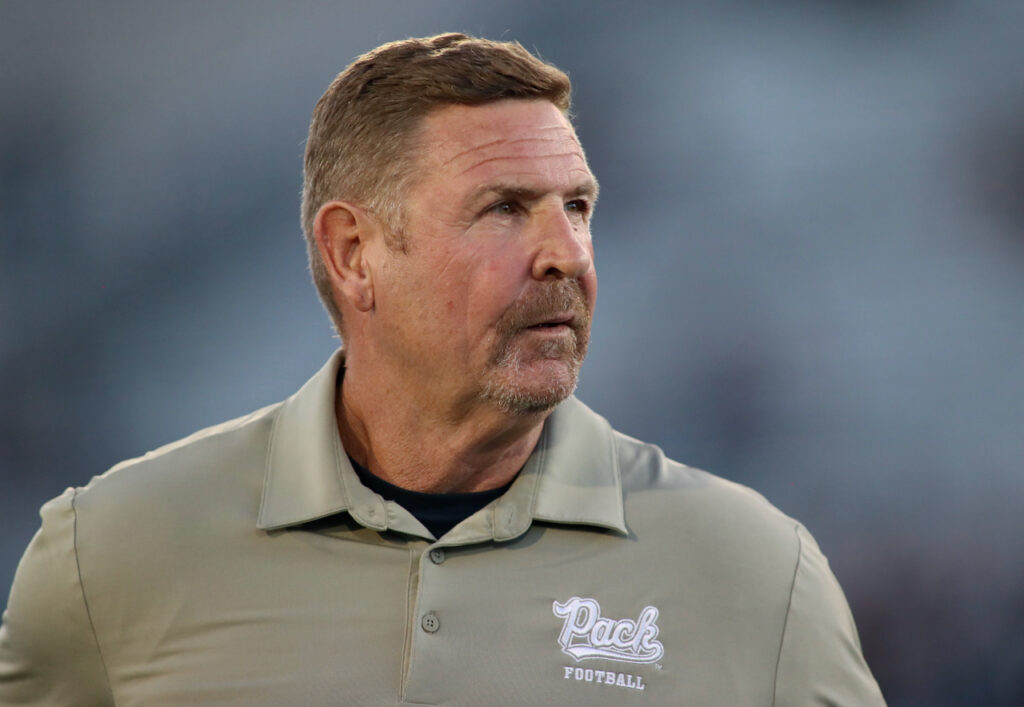
Ever since the Bobcats snapped “The Streak” against the Griz in 2002, their ascension to the ranks of the FCS elite has been steady. MSU won or shared three Big Sky titles under Mike Kramer and three more under head coach Rob Ash.
Jeff Choate helped Montana State reach the national semifinals in 2019, a major breakthrough that also put an exclamation point on four straight wins over Montana.
Vigen then guided the Bobcats to the title game in 2021 and 2024 before finally reaching the summit last season.
Now Montana State is navigating life with a target on its back, a dynamic accentuated by the fact that NDSU is playing teams such as Sacramento State, Air Force and UTEP rather than its former FCS contemporaries.
So far, Montana State’s proof of concept for the rest of the conference has served as a motivator, but it has also put MSU on high alert. The Bobcats have won four straight to start this season, pushing their FCS-best winning streak to 18 games.
Vigen was the offensive coordinator at NDSU during head coach Craig Bohl’s push to a three-peat, so he has seen it up close and personal. But he’ll be the first to tell you that running it back comes with a whole different set of challenges than it did from 2011-13.
Back then, you’d win a championship, celebrate and go back to work. These days, the day after the title game means 15 days of hell as the NCAA transfer portal opens and the top players on the top teams in the FCS become the most coveted targets.
Yet Vigen sees other parallels as the Bobcats try to become the first Big Sky team ever to win consecutive national championships.
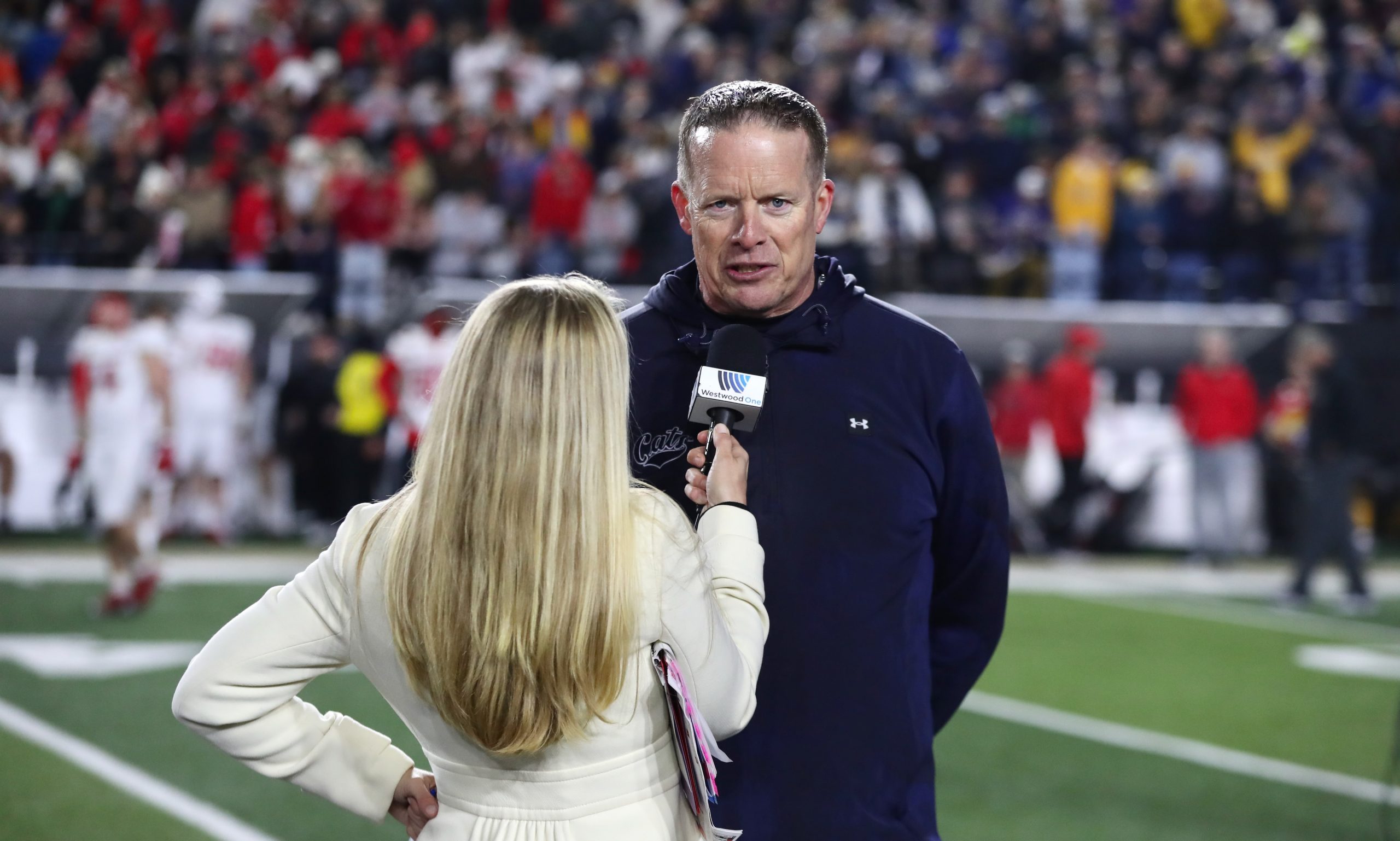
“That was a little different world back then,” Vigen said. “I know from January 6 through the next 10-15 days now, that world didn’t exist back in 2011, 2012, 2013. Keeping that team together, that was the biggest difference. Now looking back at that experience, you realize, hey, it does start with our strength coach, Jim Kramer at NDSU, Sean Herrin at MSU. That person’s got to get those guys back in line, on track, back to square one as quickly as possible. Leaning on some experiences but at the same time, different world we live in now.”
Saturday evening, MSU hosts Northern Arizona looking to keep chugging toward Nashville.
“We really tried to make this team a new team without knowing exactly what that would look like,” Vigen said. “Every step along the way, we have had new hurdles to cross, whether it’s transitioning new staff, bringing in a few new players, ultimately trying to keep our guys as present, as humble and as hungry as possible. Same things we talked about last year, it’s just a little bit different in the context of how we see that.”