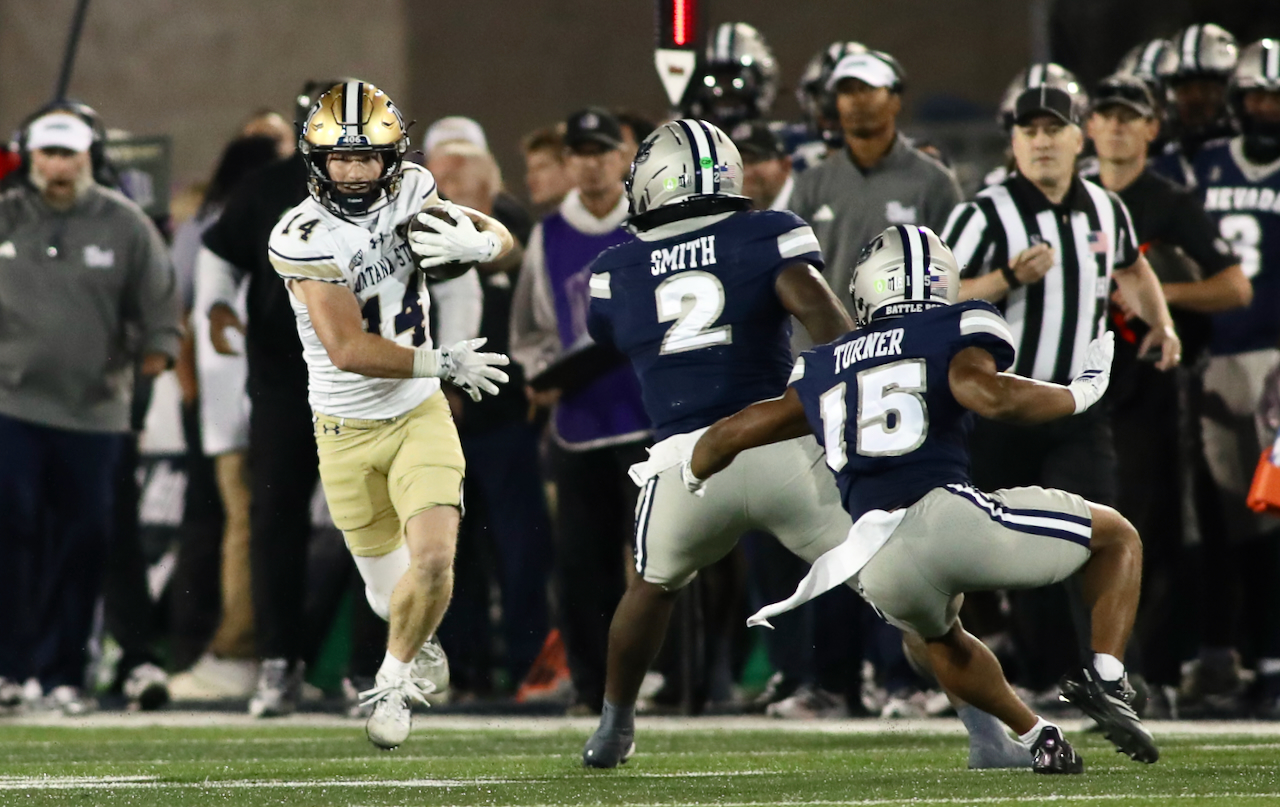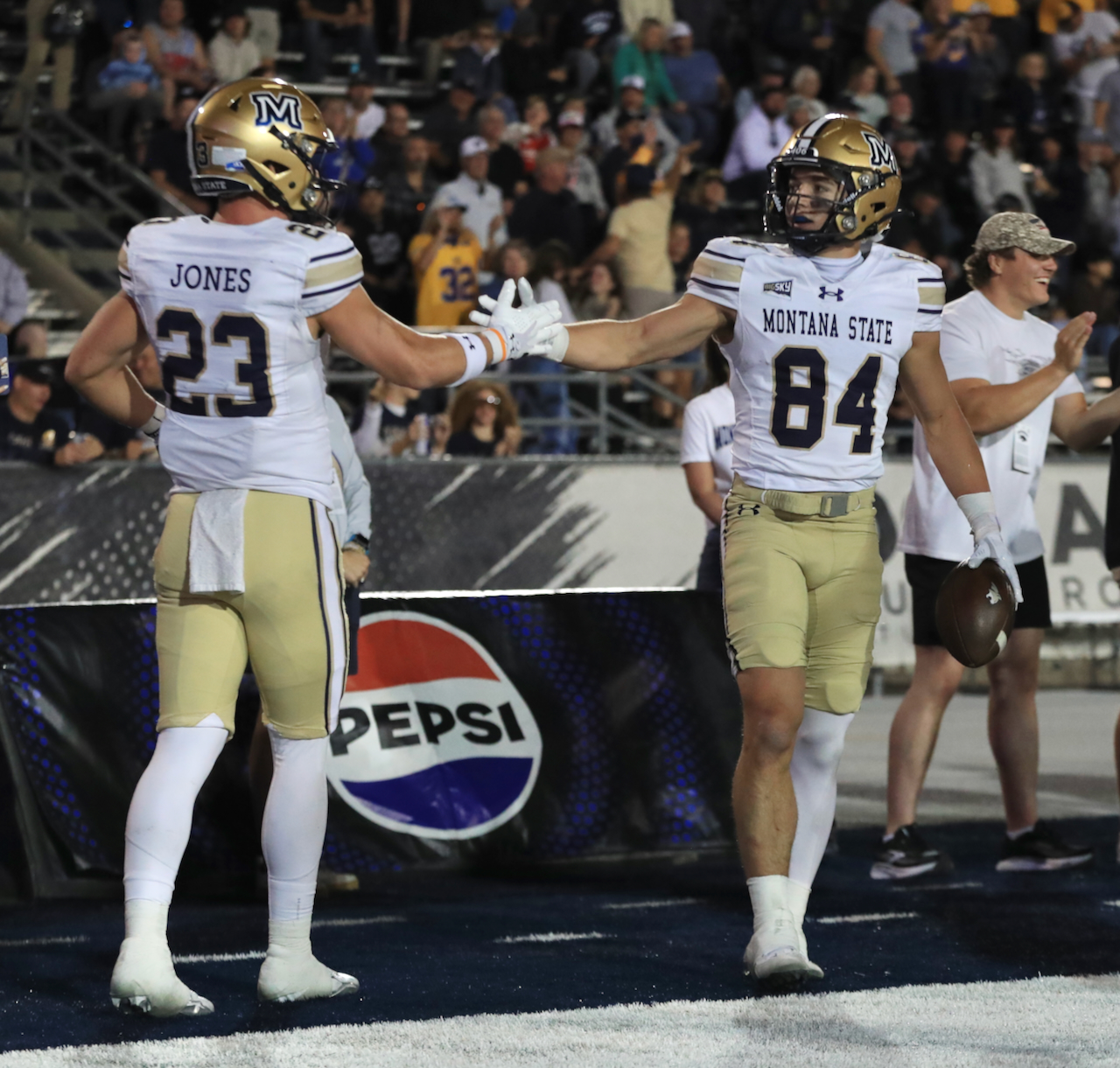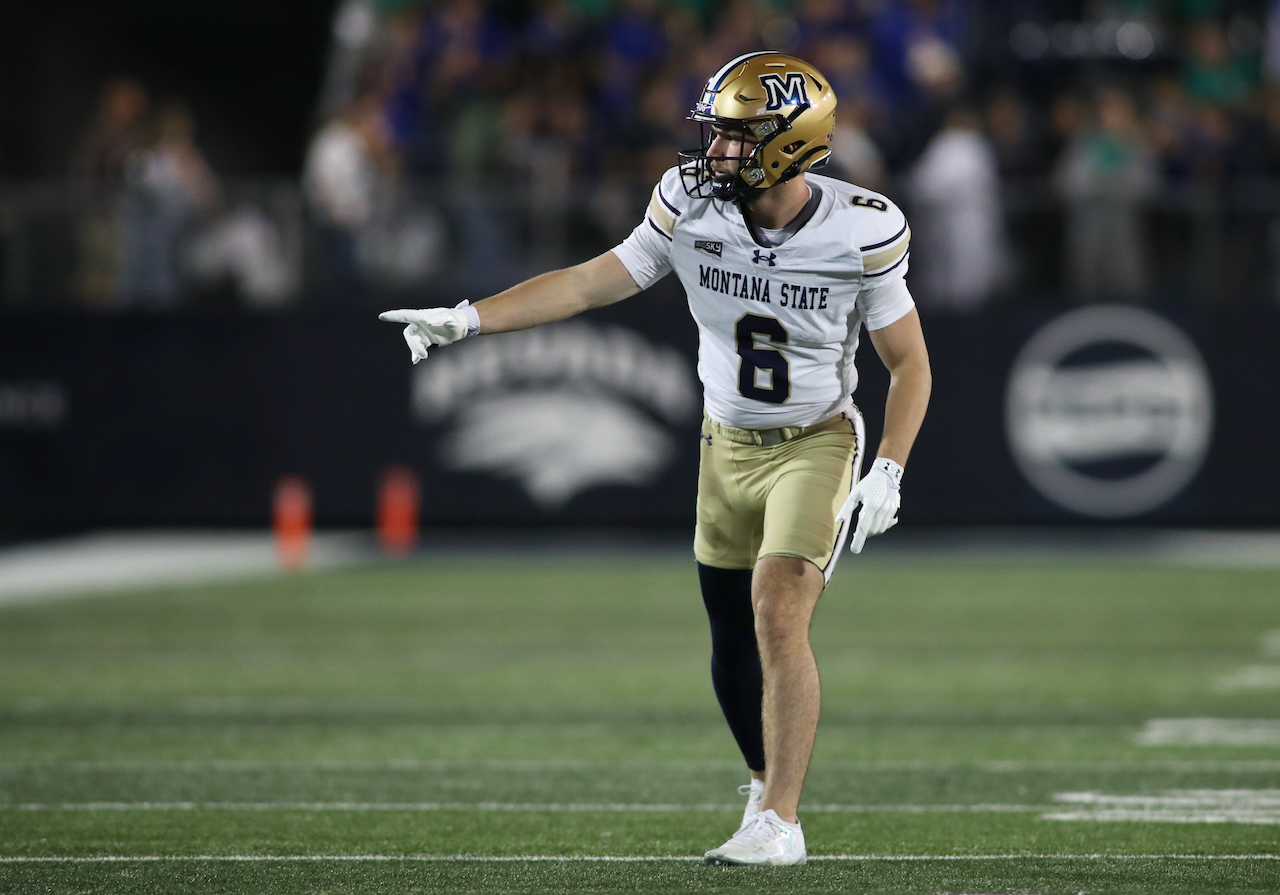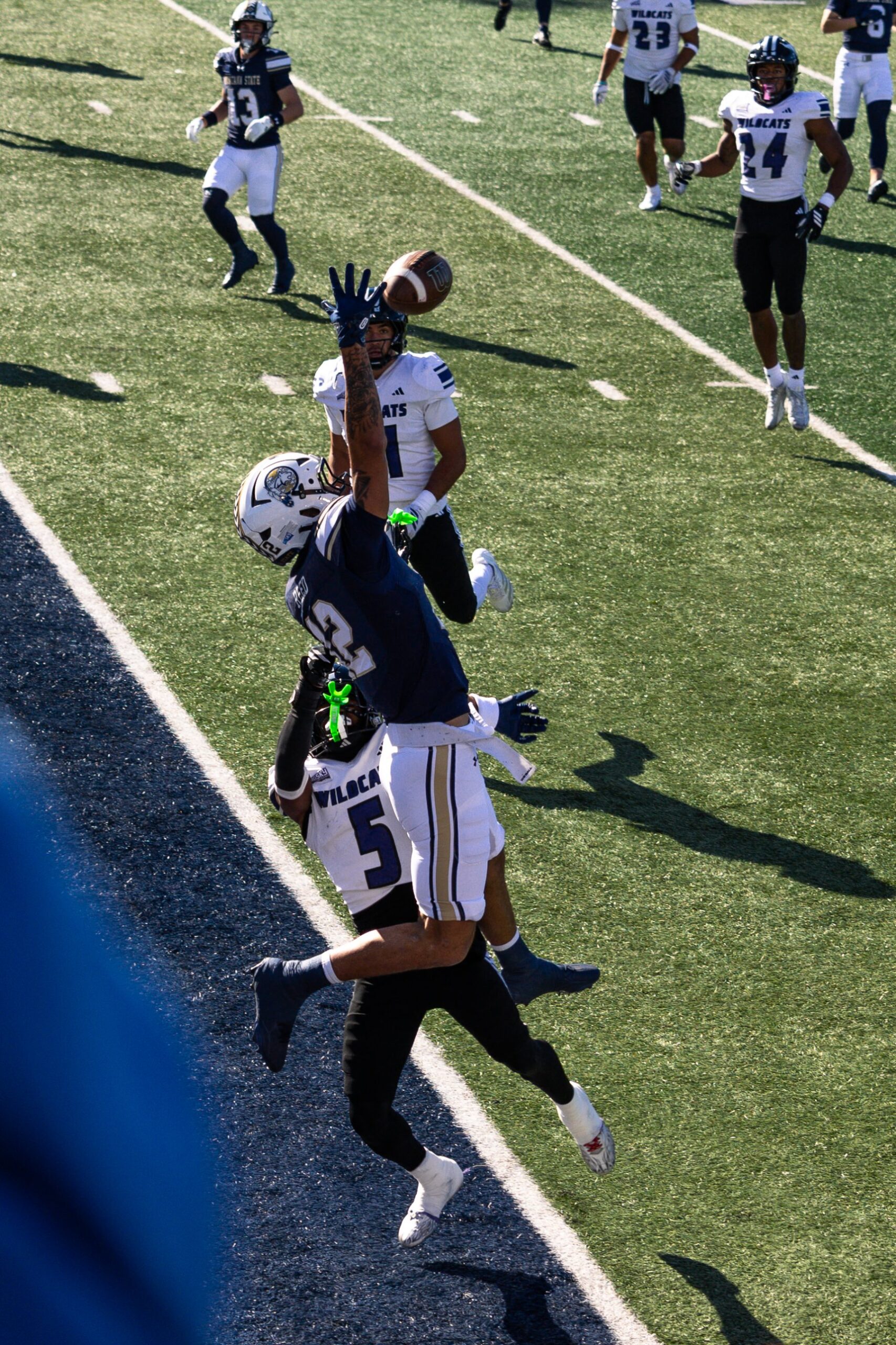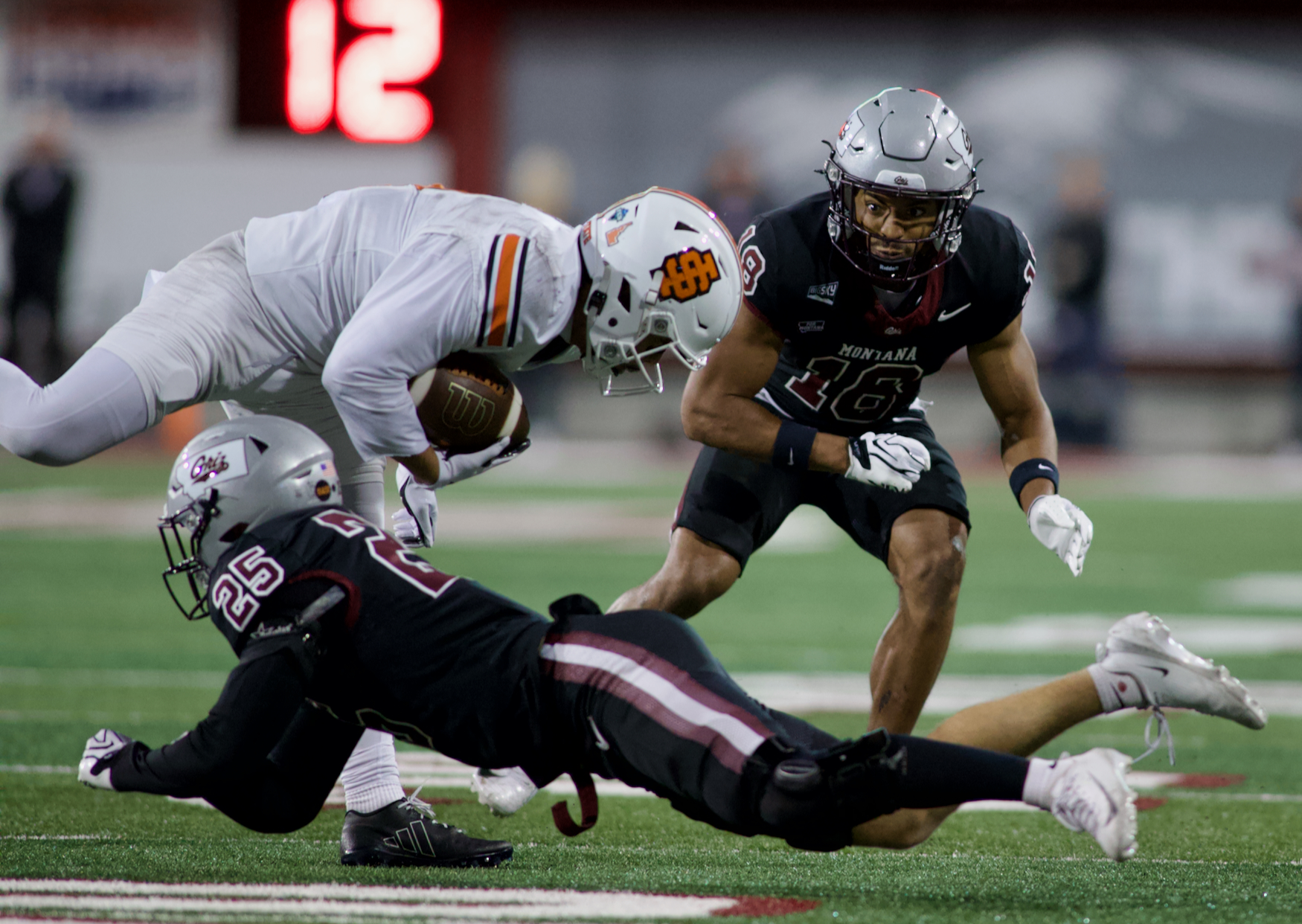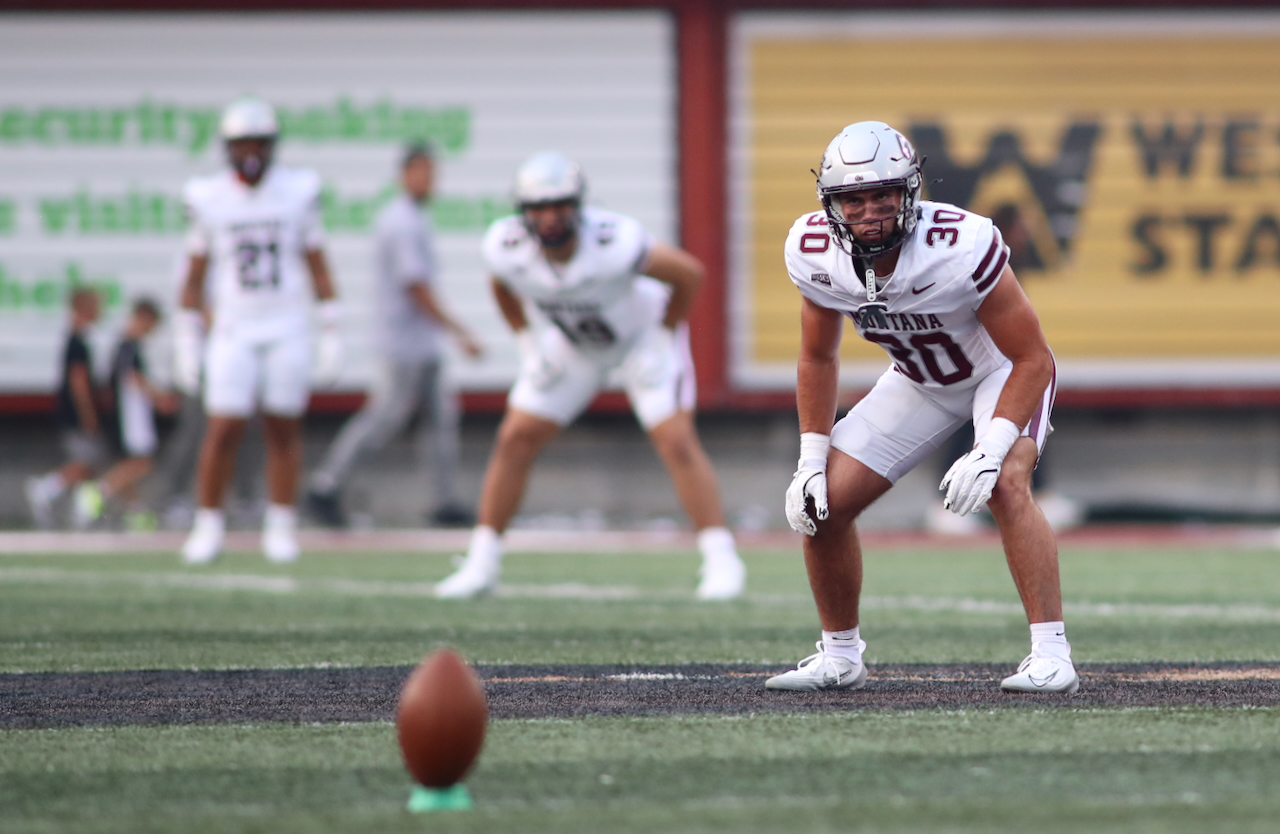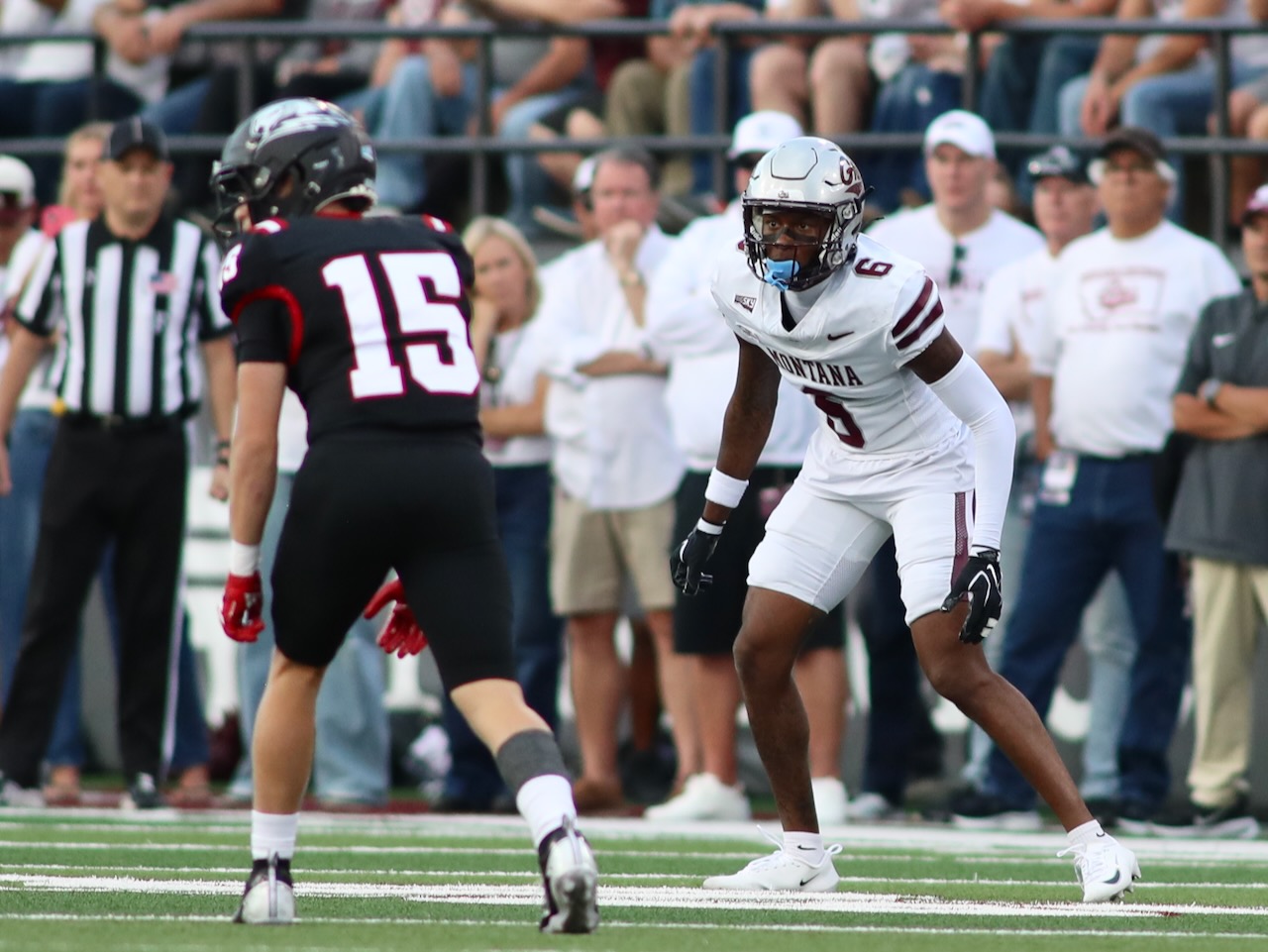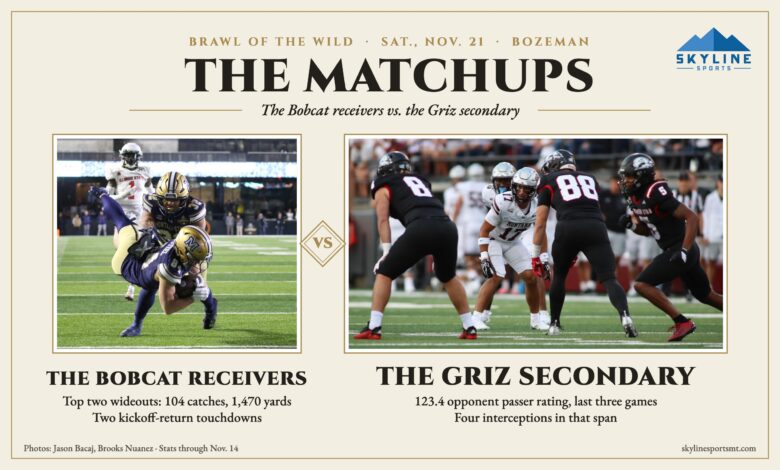
A steadily improving Montana secondary feels prepared for a Montana State passing attack that is loaded with shifty wide receivers that have shown the ability to not only evade but also break tackles throughout the season.
Despite being without star senior wide receiver and team captain Taco Dowler for most of the season, the Bobcats have continued to move the ball through the air, complementing a consistent and stout run game. The Grizzlies have rebounded from injuries to their defensive backfield to get back on track for this 126th matchup and 125th rivalry game between the archrivals.
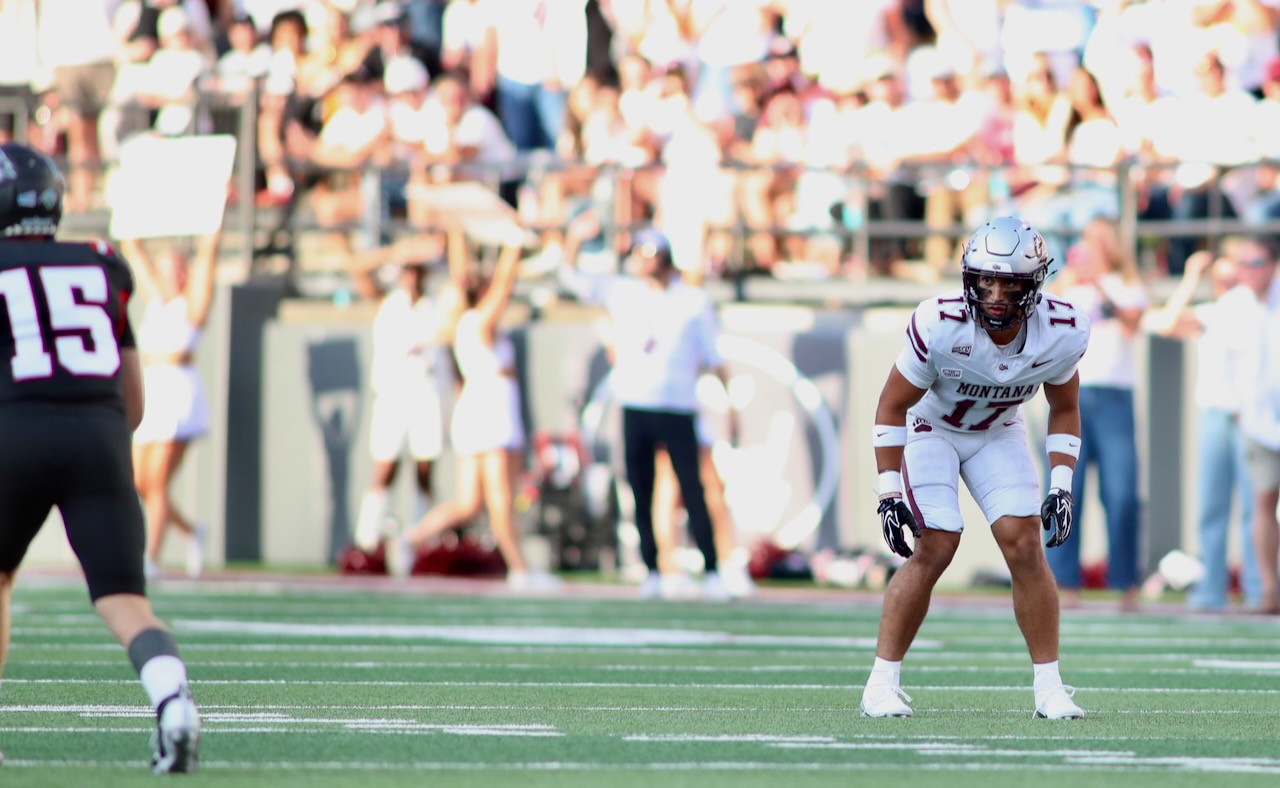
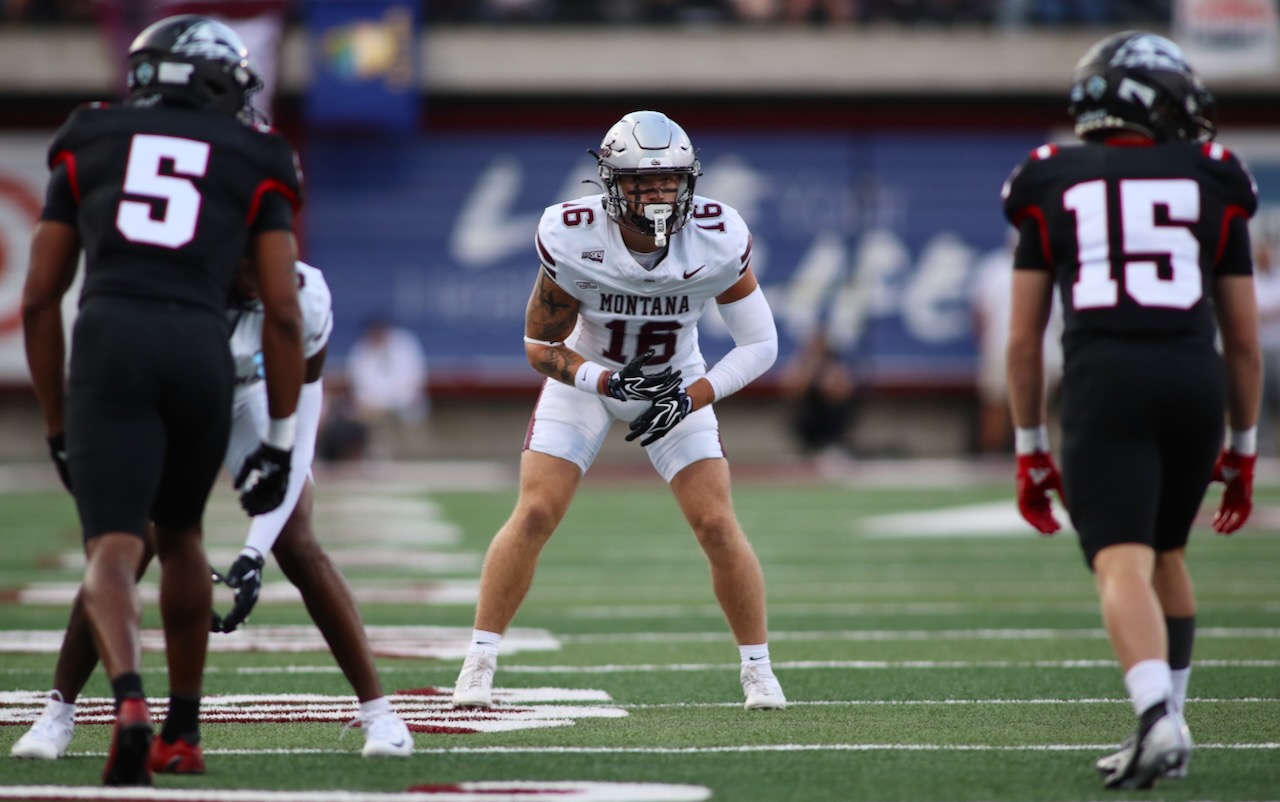
UM has started 11 different players across its five secondary (cornerbacks, safeties and nickelback) positions over the course of the season. Nearly all of them have suffered some kind of injury ranging from just missing a game to being knocked out for the entire campaign.
Safety Brock Beaner was lost for the season before the midpoint while Kade Cutler, a former Bobcat from Philipsburg, missed the first two months but has returned to contribute at safety. Cornerback Brady Beaner is playing despite a shoulder/arm injury and Chris Johnson, a cornerback transfer from Arizona State, is expected to be out until mid-December with a knee injury suffered on an interception return against Idaho.
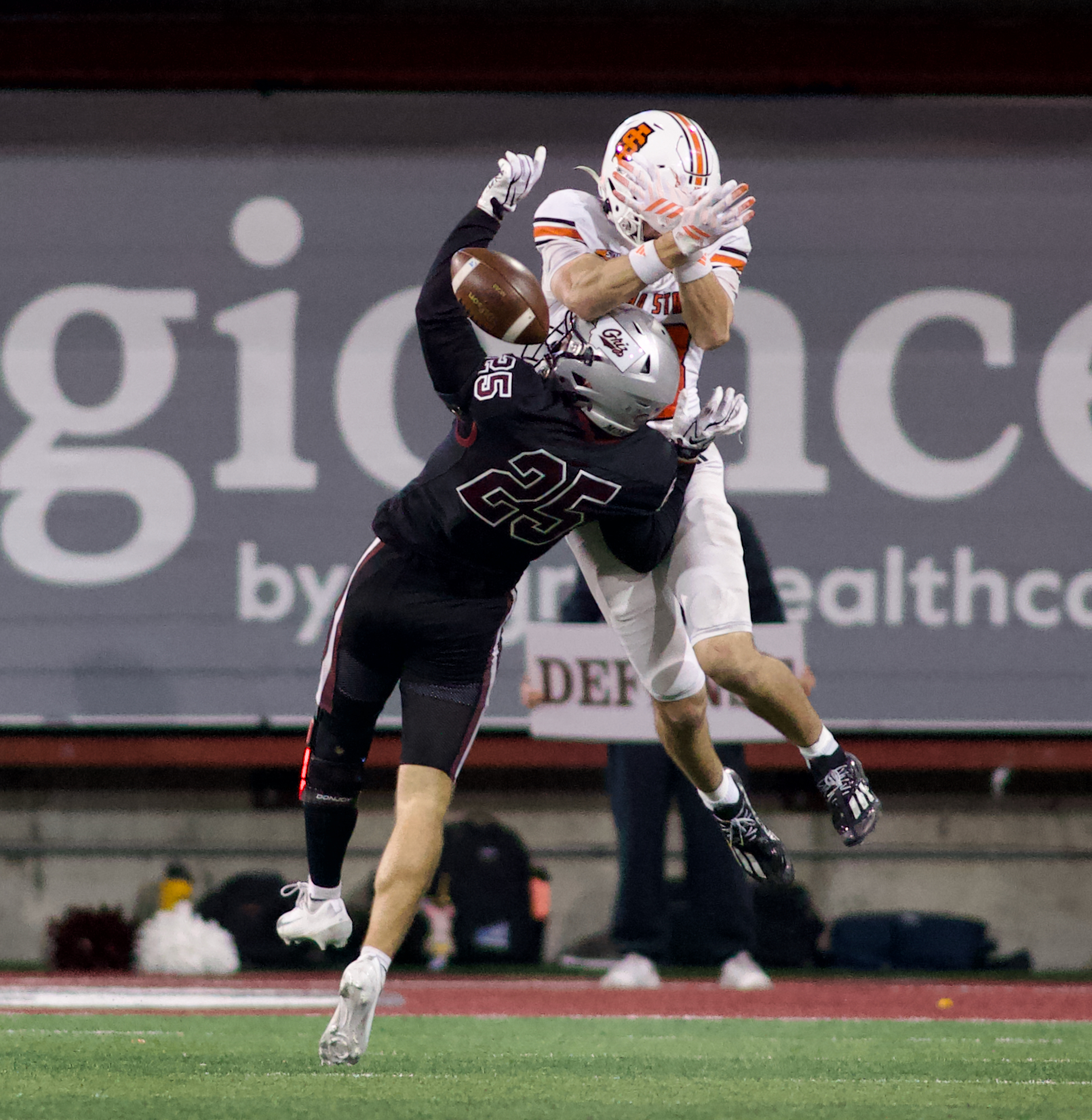
Sophomore Sage Salopek got knocked out of the game against Northern Colorado but is back at starting cornerback, while safety Braeden Orlandi, a transfer from Carroll College, is also back in the two-deep after missing about a month of action with a lower leg injury. Backup safety Ashton Paine, a transfer from South Dakota, appeared to be injured last week against Idaho State.
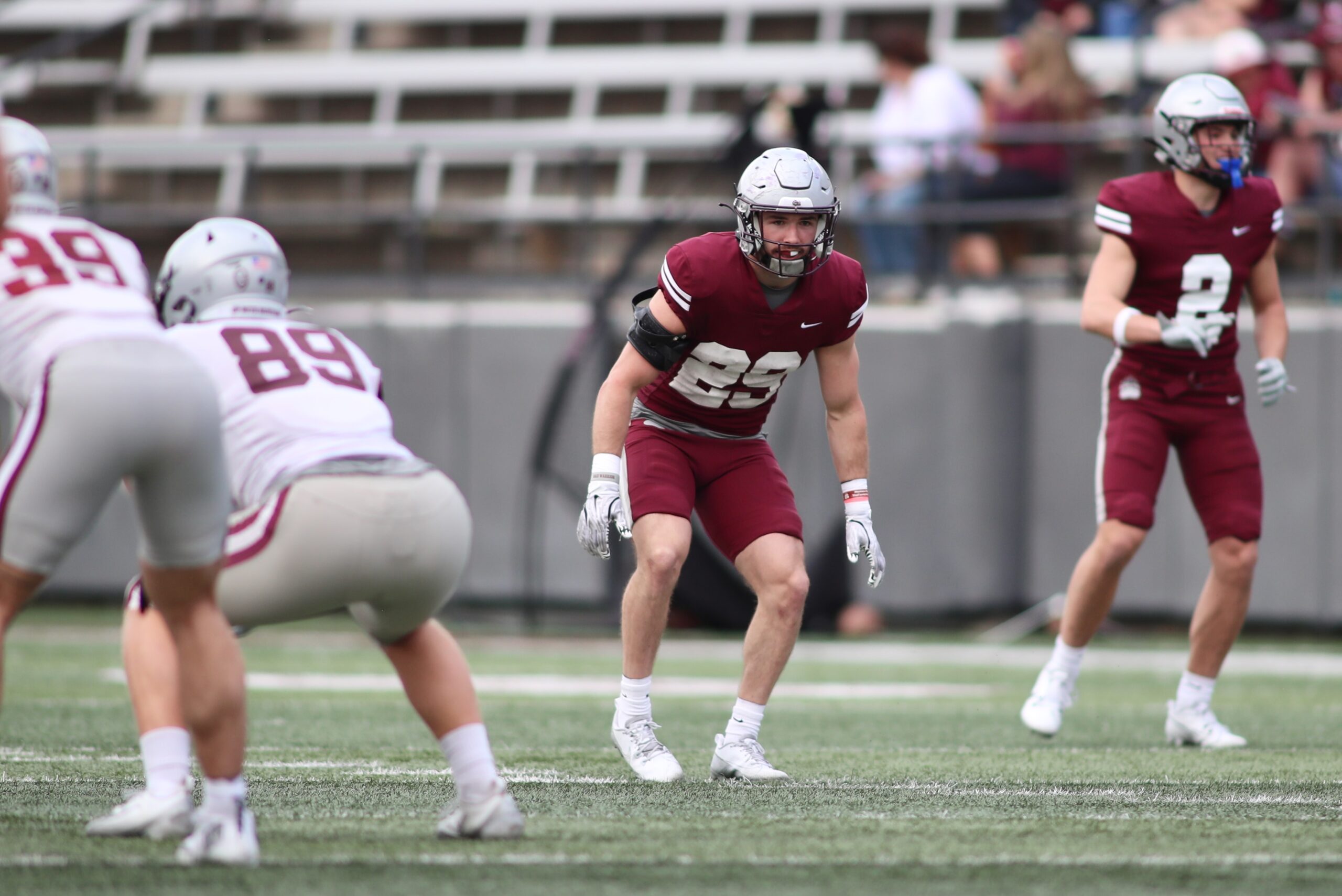
Despite all that, UM head coach Bobby Kennedy and safety Tanner Huff see a secondary moving in the right direction.
“I think our defensive backs have grown the last few weeks,” Kennedy said.
“It’s going to be a good matchup,” said Huff, a Butte High product, when asked about going against MSU’s talented wide receiver corps. “We’re going to be prepared for it. We go every day with the best receiver (Brooks Davis), quarterback (Keali’i Ah Yat), running back (Eli Gillman). So, we have great preparation as well, and they’re skilled. But we got skilled guys as well, so it’s going to be a great matchup.”
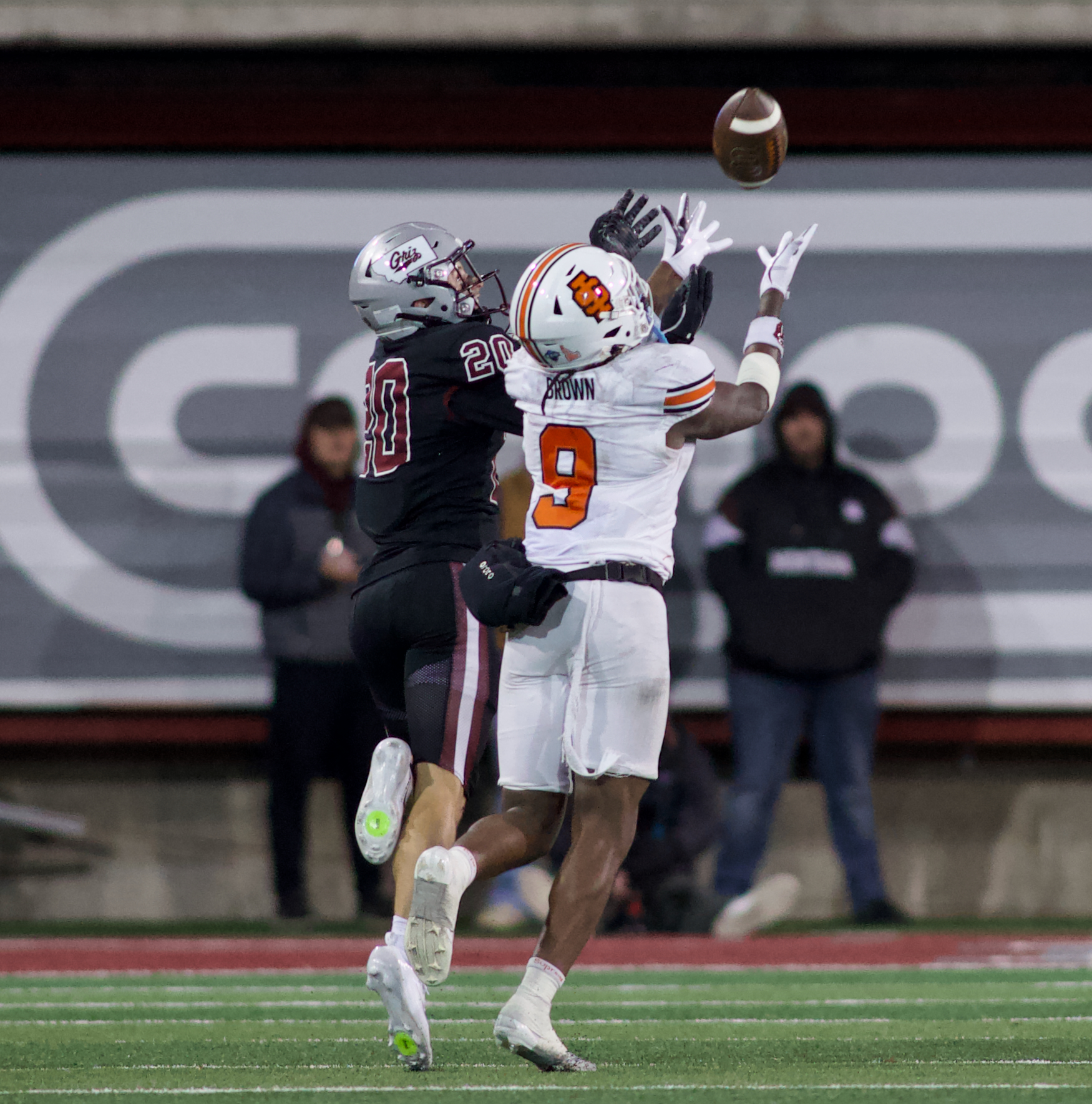
The Grizzlies are coming off three consecutive games where they appear to have perked up after a pair of rough outings against Northern Arizona and Idaho. The Lumberjacks and Vandals, led by quarterbacks Ty Pennington and Joshua Wood, respectively, combined for 57 completions in 78 attempts for 664 yards and four touchdowns, which equates to a strong passer rating of 158.9. Since then, however, they’ve allowed just 67 completions on 123 attempts for 830 yards and seven touchdowns, while also coming up with four interceptions. That is more than a 35-point drop in the opponent passer rating at 123.4.
“I don’t think we change course because of how teams have attacked them, because how teams have attacked them has been how those teams attack anybody,” MSU head coach Brent Vigen said. “We have to look at it and say, okay, what keeps us on the field the most? What allows us to be as productive and as efficient as possible? And that’s probably a good blend (of pass and run).”

While the loss of Dowler, who had 1,025 receiving yards in 2025 and hauled in a key 87-yard touchdown pass on a third-and-20 play last year in the NCAA Football Championship Subdivision semifinal matchup between the Bobcats and Grizzlies, is a big one for MSU, the Bobcats have gotten a huge boost from local true freshman Carter Dahlke, who has 51 receptions for a team-high 759 yards to soften the blow. Dahlke has four 100-yard games, along with a kickoff-return touchdown. His nickname is “The Cheat Code,” and MSU’s other leading receiver, Dane Steel, says Dahlke plays a lot like Dowler.
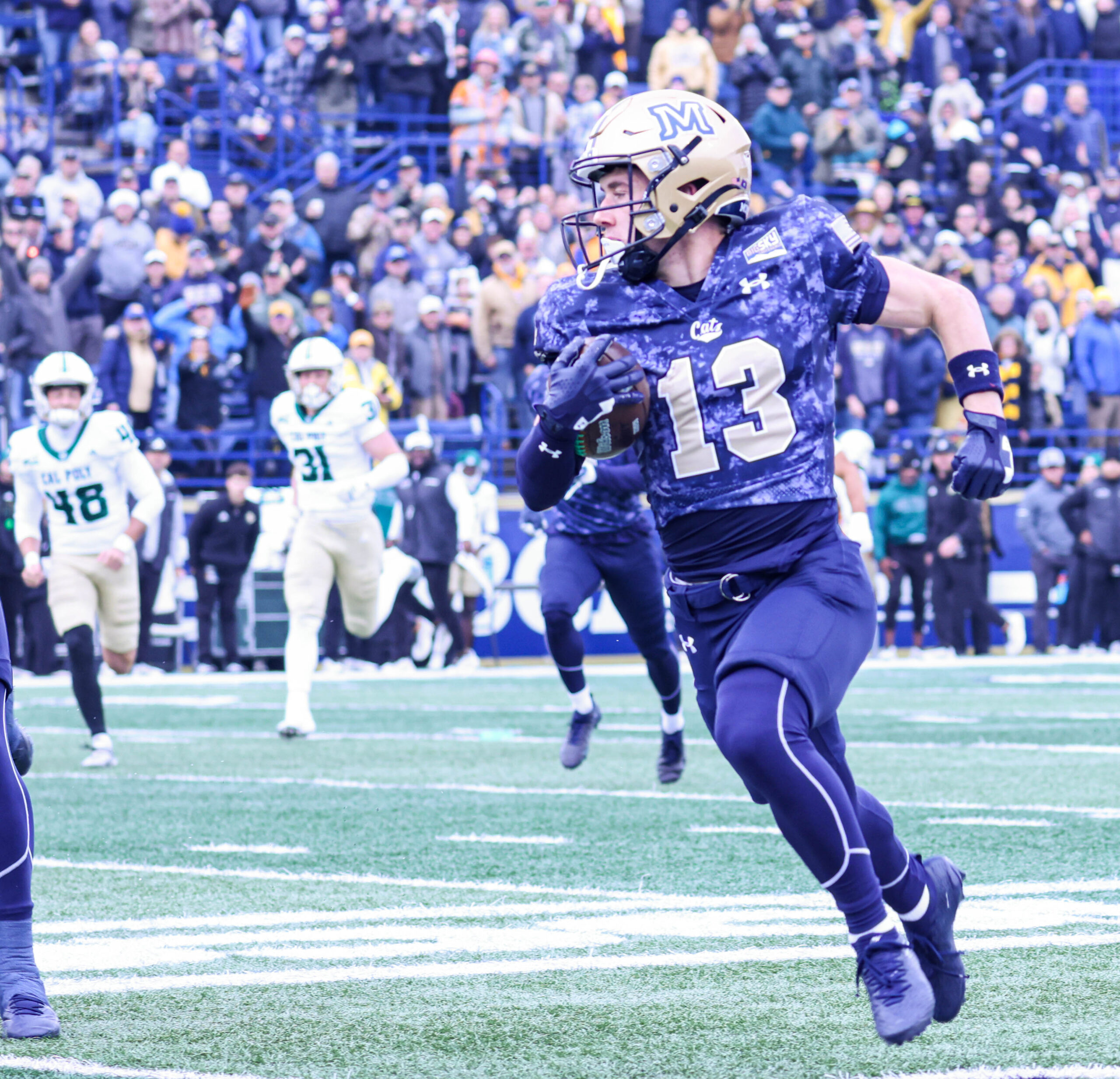
Steel, a scrappy four-time state wrestling champion in Wyoming who has a penchant for breaking tackles, had 39 catches his freshman season (2025) and has surpassed that in 2026 with a team-leading 53. He has 711 yards and leads MSU with six touchdowns. Steel is renowned for his touchdown reception in last season’s national title game in which he hurdled a defender to score just before halftime.
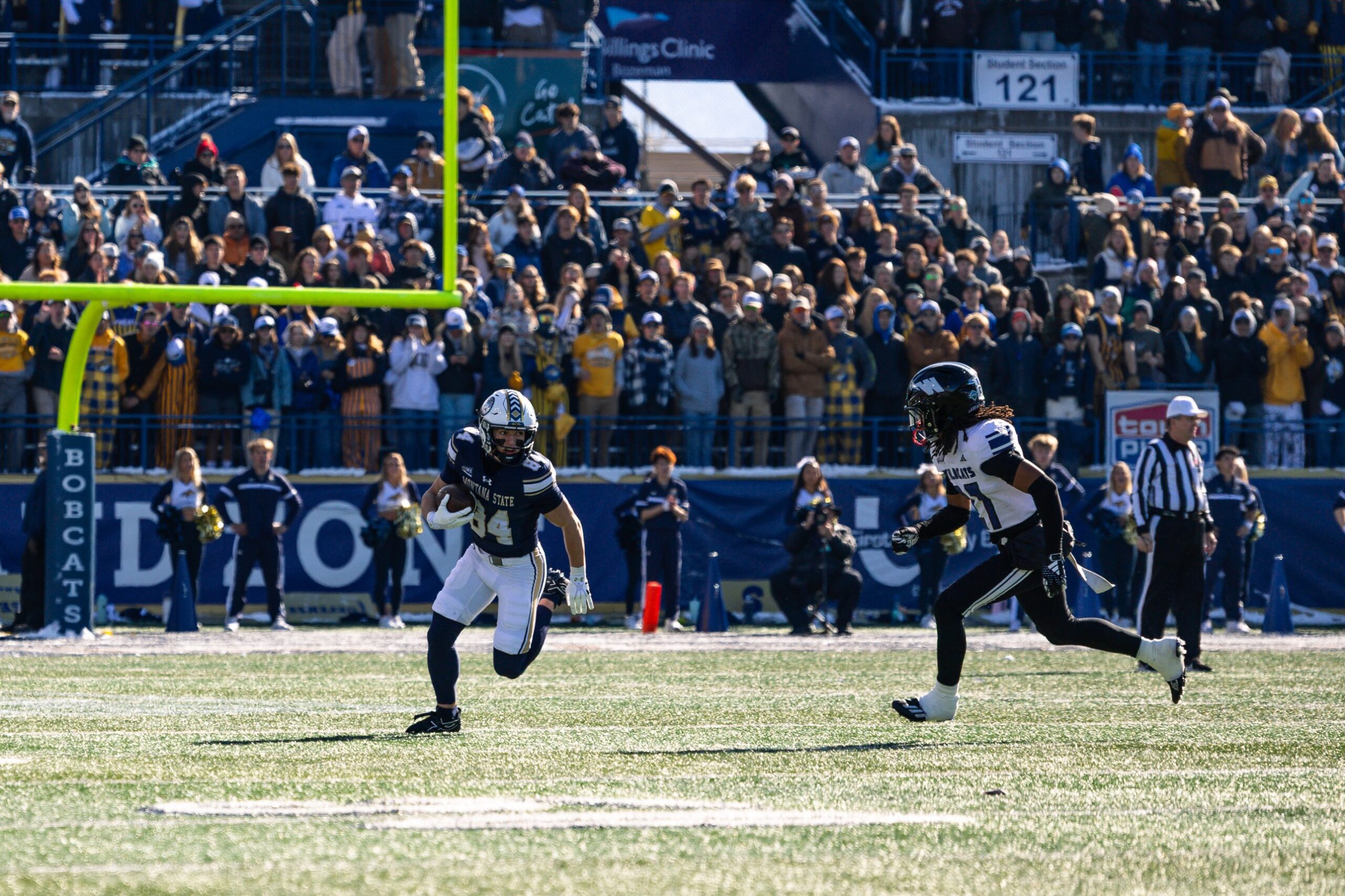
The Bobcats have gotten a boost with the gradual return of sophomore Parker Mady, who missed the start of the season with a leg injury that lingered through the middle part of the schedule. Mady caught two passes for 38 yards, including a key 32-yarder on third-and-8 during MSU’s first possession against Northern Colorado. He’s caught passes in five of the last six games for MSU, including four against Weber State. Mady has 10 catches for 87 yards during that span of games.
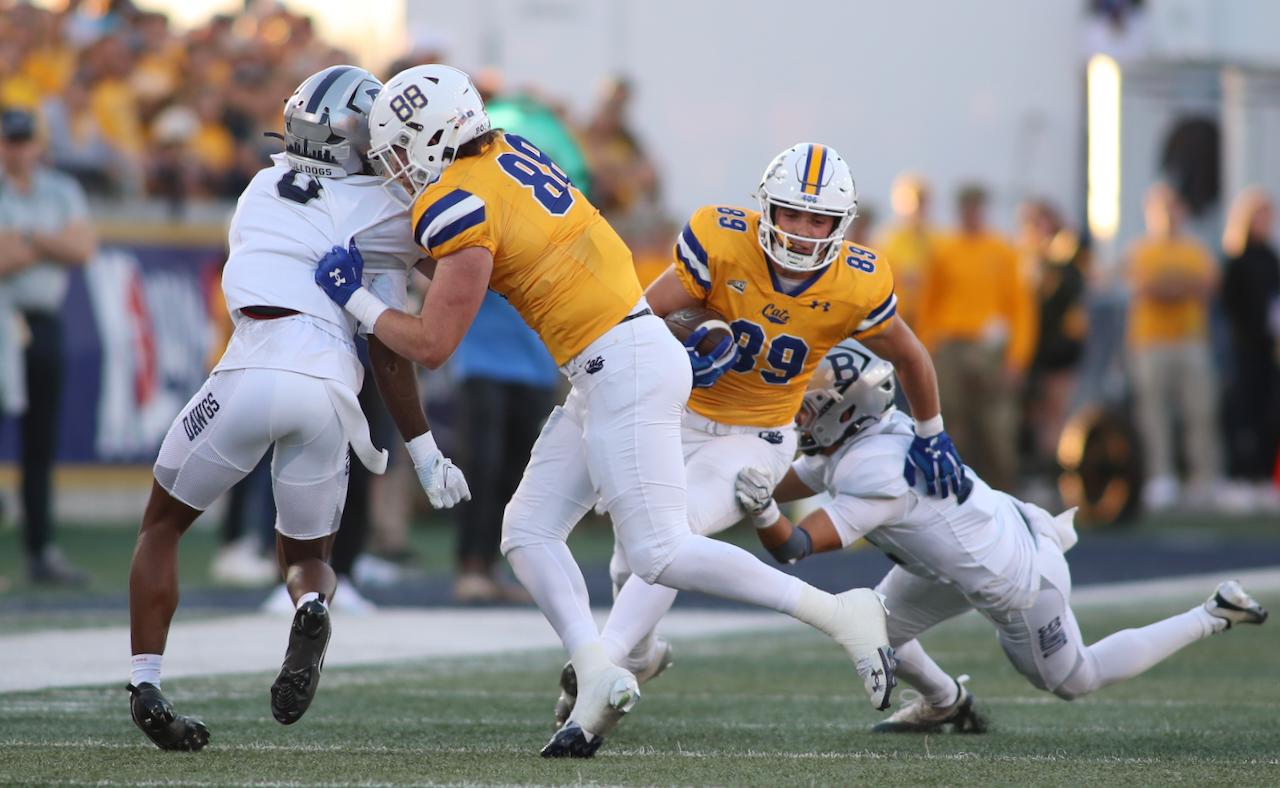
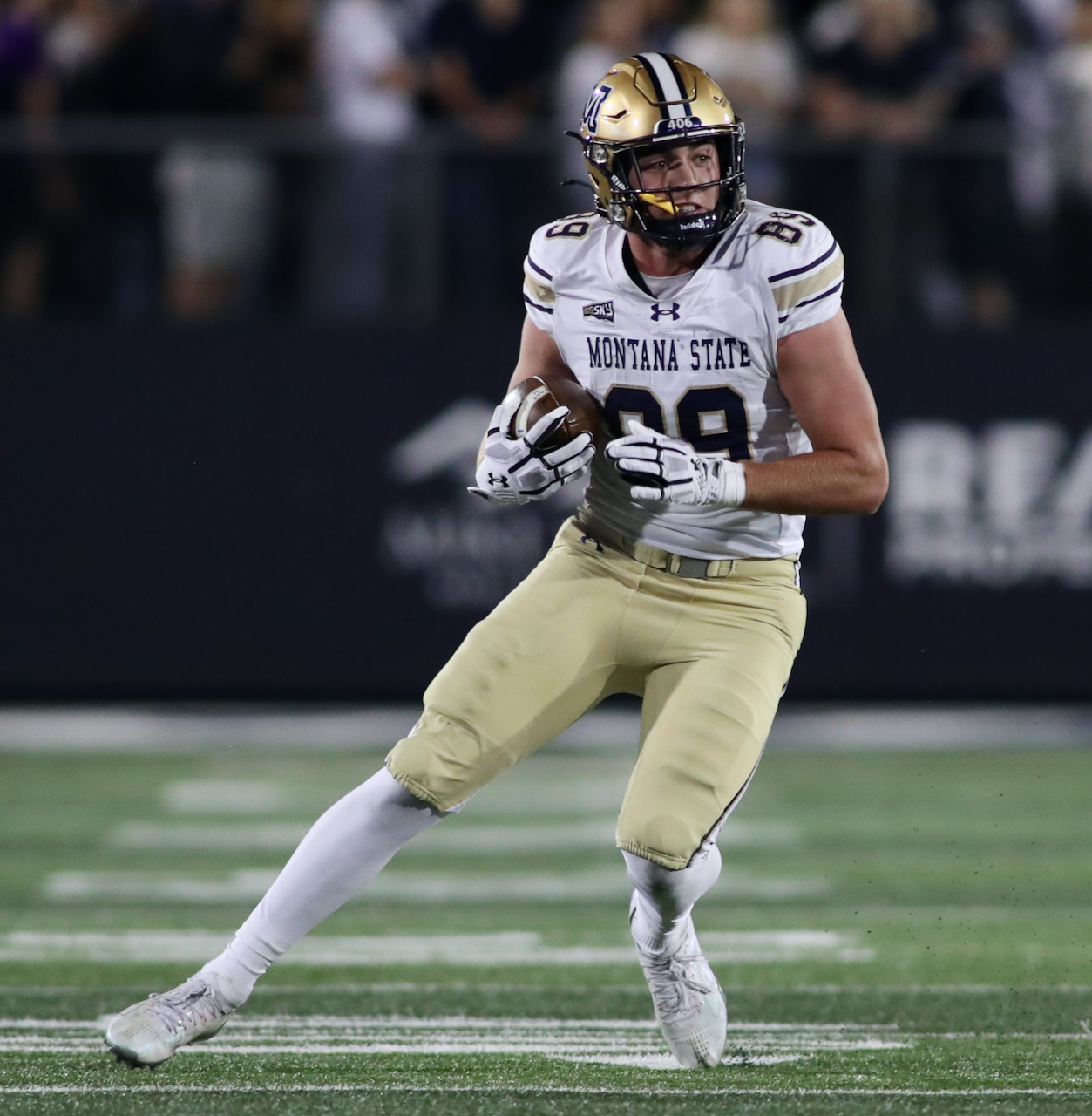
“If you think about Dahlke and Steel, those are two really talented guys, and I’ve been really impressed with them,” Kennedy said. “And then their tight end, number 89 (Lencioni). I mean, he can play in line, he can split out, he can be the single receiver, and so there’s a lot of formation kind of tricks that people like to use with different guys. And so, yeah, the perimeter has to be big for us.”
The Bobcats also get quality play at the position from Jordan Reed, a 6-foot-6 former quarterback turned receiver, Jabez Woods and tight end Rocky Lencioni, a former wide receiver in high school whom MSU often splits out to receiver. Woods has been explosive when healthy, catching a touchdown and returning a kickoff for a score against Butler in MSU’s home opener. Reed has 12 catches for 112 yards and two scores while Lencioni is one of the top receiving tight ends in the conference with 25 catches for 284 yards and two scores.
The receivers are fed the ball by Justin Lamson, who has put together arguably the best back-to-back seasons by a quarterback in MSU history. Lamson was an efficient 24 of 28 for 246 yards passing last week against Northern Colorado. He missed a pair of games – one of them the Bobcats’ lone loss in the last 25 games – in the middle of the season but is a player that both Vigen and Kennedy are aware of for their own reasons.
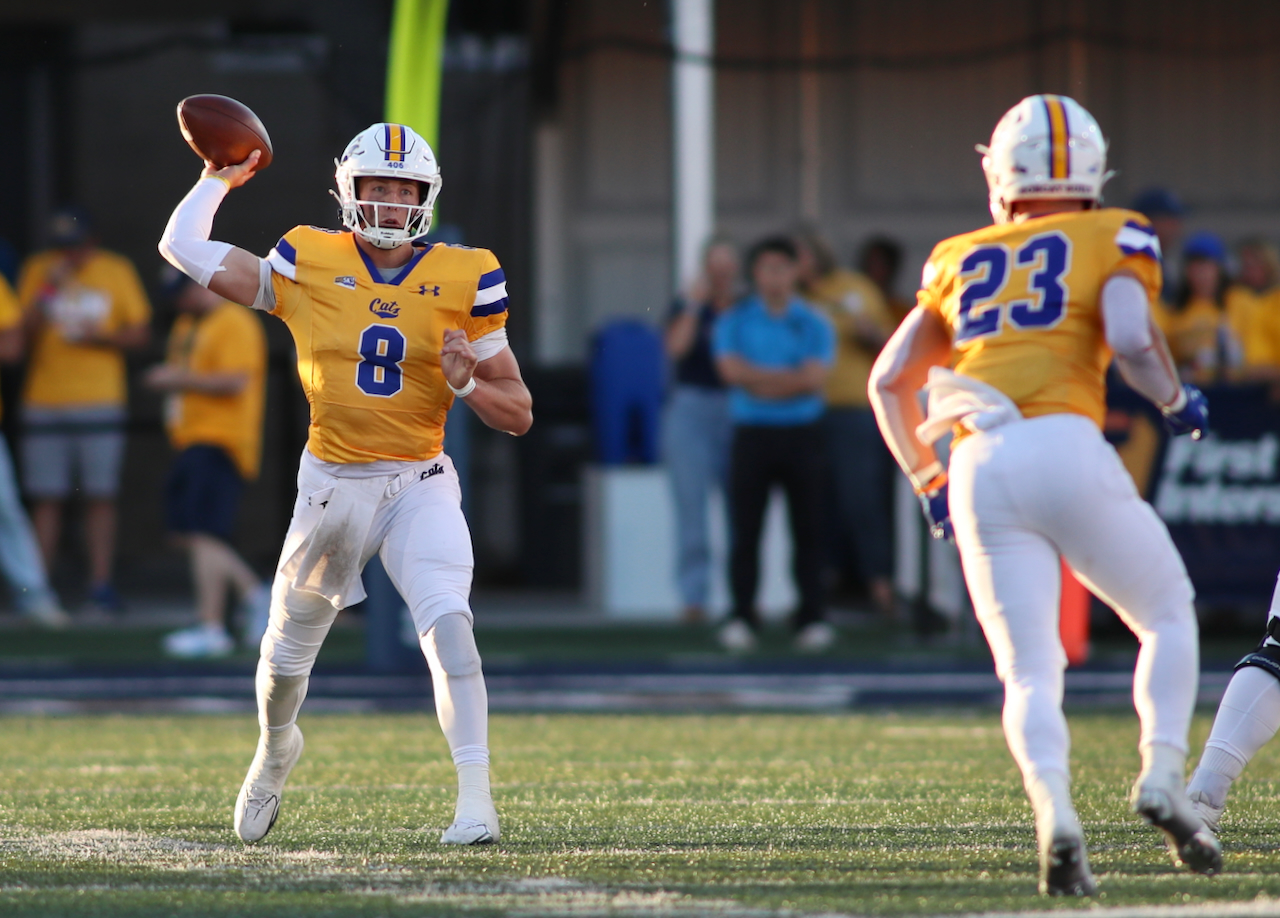
“He’s going to have to make plays, but he’s not the only one on our offense that makes plays, and I think he understands that too,” Vigen said. “He’s going to compete his tail off. I know he understands that it’s not just about him either. He does a great job of getting all our guys involved.”
“They do a lot of different things formationally, presents you with a lot of different looks on defense,” Kennedy said. “So, they’re a challenge, and obviously Justin Lamson’s a quality quarterback, and they’ve got some good receivers.”

Huff, who is third on the team in tackles with 49 and has three tackles-for-loss, understands that the Grizzlies’ secondary will need to stay disciplined against MSU.
“We’re gonna have to stay in coverage for as long as the play goes,” Huff said. “I mean, [whether it’s] man coverage [or] zone coverage, we have to have great eyes and just go out there and execute.”
Boyd (47), Dunn (42), Salopek (41) and Orlandi (39) follow Huff in the tackles department for the Grizzlies. Boyd, Dunn and Orlandi each have an interception, while Huff has two fumble recoveries.
Dahlke, Steel and Woods all factor in on special teams for MSU as Woods returns kickoffs and Steel is the punt returner, while Dahlke backs both of them up. Woods and Dahlke both have had kickoff return touchdowns. Lencioni has even been returning kicks as of late.
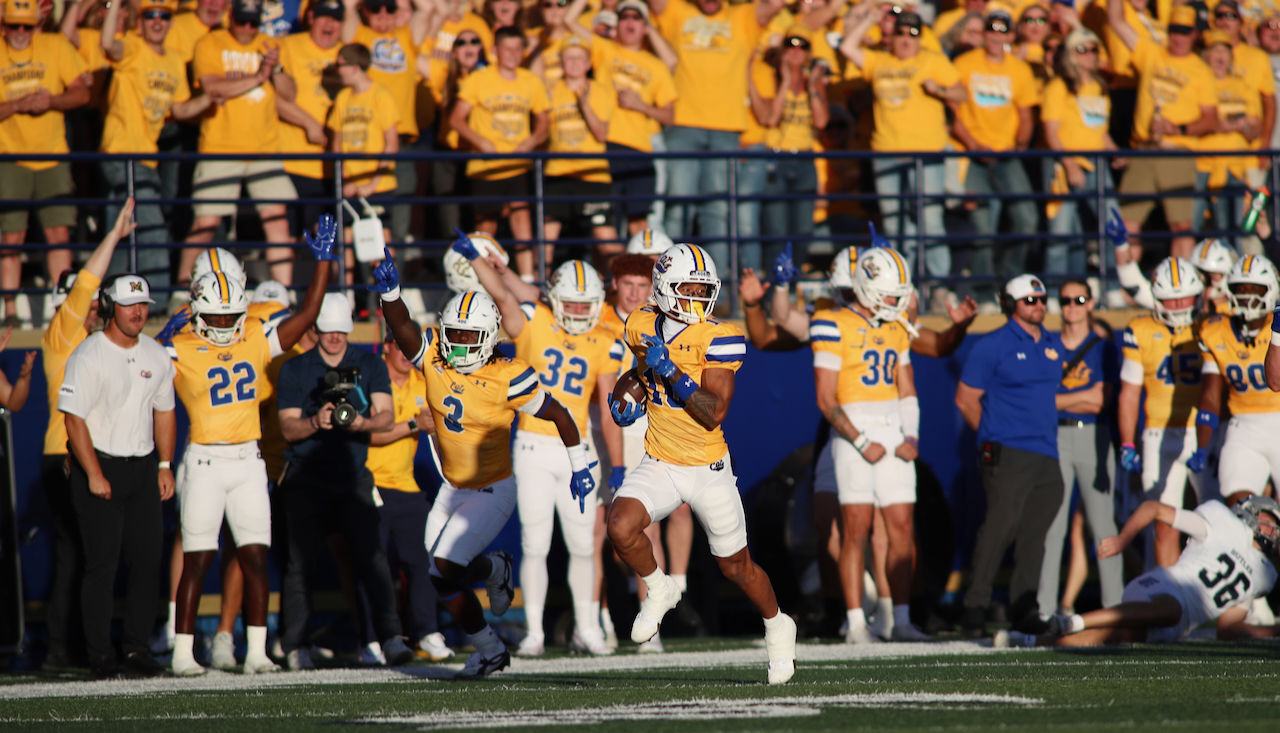
“I think in a game like this, and any late-season game, special teams is going to play a big role in it,” Kennedy said. “I know their punt returners (Dahlke and Steel) are really good players. So, we’ve got to watch them on punt return and kickoff return, because that’s going to be key to the game.”
Perimeter play was on the minds of both coaches in their weekly interviews. Both Vigen and Kennedy feel that whoever wins the battle on the perimeter is going to have a big edge.
“I know flipping it around for us offensively, we’ve got to be able to get our playmakers in space, and they’ve got to be able to do things after the catch,” Vigen said. “That has been a critical element to our offense’s success. And I think the hidden piece in there is blocking. Sometimes it’s who can block better on the perimeter. On the flip side, how do we hold up when we need to block them? You can make a lot about the line of scrimmage, but it’s really extended. This is a width-of-the-field game, the way we both want to do things offensively.”
Kennedy, who was Montana’s wide receivers coach last season, is also well aware of the perimeter, where his team threatens with record-setting junior Brooks Davis leading the way and must find a way to slow down MSU’s sneaky-explosive group of wideouts.
“The biggest thing, even when it comes to the trenches, (is) when you talk about the perimeter,” Kennedy said. “If we break a play or they break a play, the most important thing is what type of effort those guys are giving on the perimeter to keep them in the park, or vice versa. Is your pursuit good? Are you setting great edges on the perimeter so that you can turn things back into the defensive line so they can make some of those plays? There’s no doubt there’s explosive guys on both sides. We talked about Adam Jones. Obviously, he’s a special guy, and our guys have to do a good job on the perimeter of not only setting edges but also being good in pass coverage.”
Getting off to good starts – an area MSU’s receivers can factor in on – has been a bit of a rollercoaster ride for the Bobcats this season, as offensive tackle and captain Titan Fleischmann pointed out.
“I think we excel when we start fast, especially with all the extra stuff we had to deal with, with travel and whatnot,” Fleischmann said. “Just starting fast, not acknowledging that and focusing on us is important. I think that’s our identity. When we start fast, we’re pretty good, and when we don’t start fast, we’re in dogfights.”

Snow, which has been a factor in previous Cat-Griz games but not so much recently, is in the forecast. An ongoing debate that has lasted for decades on whether snow and wet surfaces favor running teams or passing teams, offenses or defenses, could get some traction for one side of the argument or the other, but Kennedy thinks it might play a different factor.
“When weather is a factor, you’ve got to do a good job of ball security and hold on to the ball,” Kennedy said. “You’ve got to try to take it away because there’s going to be some opportunities on both sides. So for us, our emphasis is ball security, and then trying to take it away, because the ball gets a little slick. And welcome to Montana. If you don’t like the weather, wait a few minutes and it might change.”
The Bobcats returned interceptions for touchdowns in each of the Cat-Griz games last season. In 2021, the Grizzlies scooped up a fumbled field goal attempt and returned it for a score. Perhaps the most famous turnover in the history of the long rivalry came in 2018 when the Bobcats forced a UM fumble with just :12 to play to stop the Grizzlies from scoring the would-be go-ahead points. In 2008, MSU running back Demetrius Crawford put the Bobcats in prime scoring position for an early lead with an 84-yard run only to see the ball taken away inside the 5-yard line.
Be it fast starts, weather or turnovers, the only thing for sure about Cat-Griz games over the years is that they’ve been nearly impossible to predict. This Saturday’s showdown starts at high noon in Bozeman and should be no different.
Cat-Griz gallery